
Skip to content
5.0 rated on Trustpilot

Bid Freight

Bid freight is how many shippers price steady freight, by inviting carriers and brokers to bid on their loads and lanes. Urgent loads move too fast for a bid, so ExpeditedFreight.com quotes them one at a time. Here is how freight bidding works.

What shippers get

Trucks on the Road by 3am

“Bryan worked to expedite our automotive freight at midnight to have trucks on the road by 3am.” — James

Delivered Sooner Than Expected

“Freight was delivered sooner than expected.” — Bill

Frequent Updates, Arrived Early

“We received frequent updates and the freight arrived ahead of the estimated arrival time.” — Kent

Pricing freight

Spot bid, contract bid or direct quote

A spot bid, a contract bid and a direct quote each price freight differently. ExpeditedFreight.com gives direct quotes on urgent loads; read across to compare.

Spot bid One load, now Contract bid Lanes over months Direct quote ExpeditedFreight.com
Single loads Yes: Built for it No: Lanes and volume Yes: Built for it
Lanes over months No: One-off Yes: Built for it Sometimes: Repeat loads
Fast answer Sometimes: Hours No: Weeks of rounds Yes: One call
Urgent loads Sometimes: If carriers respond No: Too slow Yes: Built for it
One point of contact No: Many bidders Sometimes: After award Yes: One expeditor
Best when Flexible one-off loads Steady lanes Urgent loads

Spot bid

One load, now
Single loads
Yes: Built for it
Lanes over months
No: One-off
Fast answer
Sometimes: Hours
Urgent loads
Sometimes: If carriers respond
One point of contact
No: Many bidders
Best when
Flexible one-off loads

Contract bid

Lanes over months
Single loads
No: Lanes and volume
Lanes over months
Yes: Built for it
Fast answer
No: Weeks of rounds
Urgent loads
No: Too slow
One point of contact
Sometimes: After award
Best when
Steady lanes

Direct quote

ExpeditedFreight.com
Single loads
Yes: Built for it
Lanes over months
Sometimes: Repeat loads
Fast answer
Yes: One call
Urgent loads
Yes: Built for it
One point of contact
Yes: One expeditor
Best when
Urgent loads

General comparison of common pricing methods.

Expeditor at his desk tracking a shipment
In short

Shippers invite bids

Several providers price the freight, and the shipper chooses.

Bid freight What it means

What bid freight means

Bid freight means freight that a shipper puts out for carriers and brokers to bid on. Instead of calling one provider and accepting its price, the shipper shares the details of a load, or a set of lanes, and invites several providers to respond with their price and service. The shipper then chooses the bid that offers the best mix of cost, capacity and reliability.

Bidding is common for freight that moves regularly, such as weekly loads between a plant and a warehouse, and for single loads that are not urgent. It gives shippers a view of the market and helps them plan transportation budgets.

Not every load suits a bid. ExpeditedFreight.com focuses on the urgent loads that cannot wait for one, quoting each shipment directly and booking a dedicated truck or flight.

Aerial view of a truck driving on the road
Bid types Spot and contract bids

Spot bids and contract bids

There are two main kinds of bid freight. A spot bid prices a single load that needs to move soon, at the current market price. Shippers post the load, often on a load board, which is an online marketplace where available loads and trucks are listed, and carriers or brokers respond with offers.

A contract bid prices lanes over a longer period, often six months or a year. The shipper issues a request for proposal, or RFP, listing each lane, the expected volume and the service requirements. Providers bid on the lanes they want, and the winners are added to the shipper's routing guide, the ranked list of providers the shipper offers loads to first.

Spot bids react to the market day by day, while contract bids lock in capacity ahead of time. ExpeditedFreight.com handles the urgent loads that fall outside both.
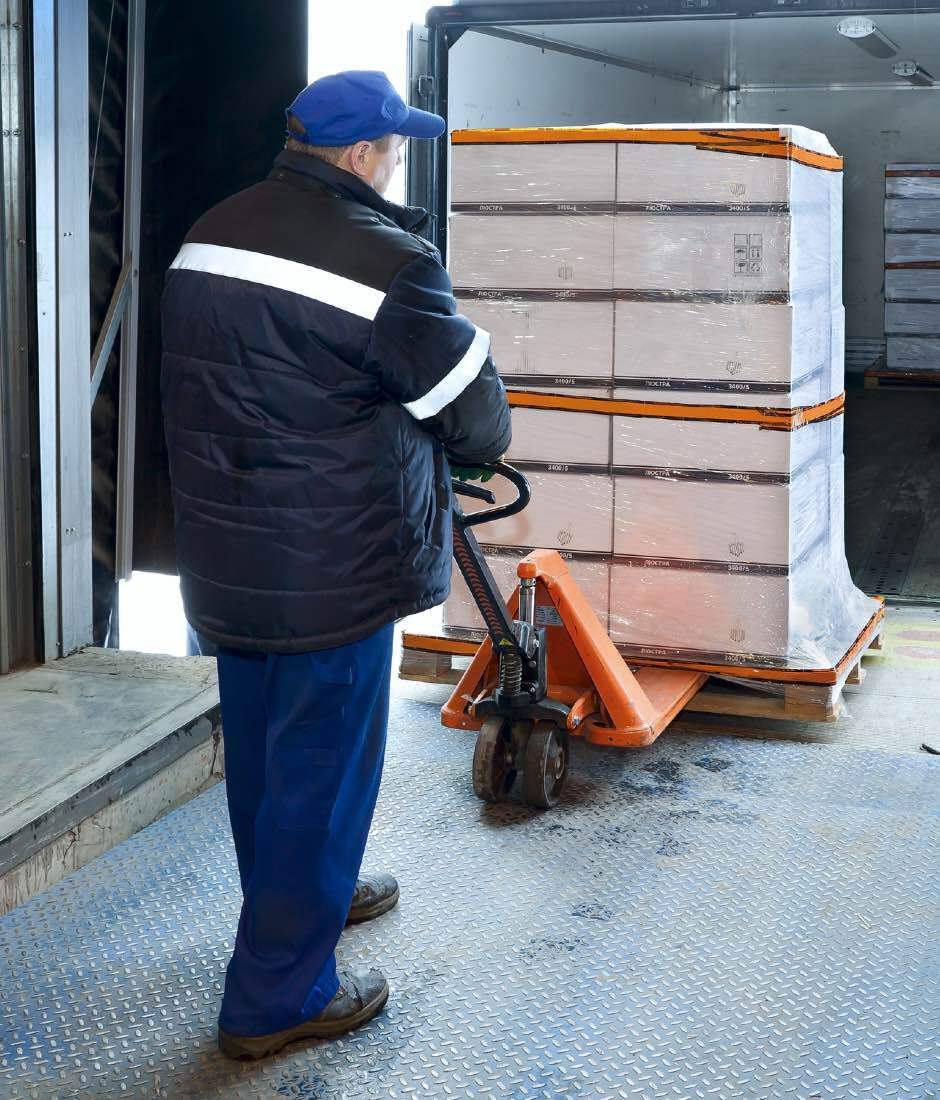
Worker loading a truck
Why it matters

A bid has clear steps

Lane data, rounds and awards structure a contract bid.

Process How a bid works

How a freight bid works

A contract freight bid usually follows a set process. The shipper gathers its lane data: origins, destinations, the number of loads on each lane, the equipment needed and any special requirements. It invites carriers and brokers to bid, sharing that data along with service expectations, such as pickup windows and how updates should be shared.

Providers review the lanes and submit bids, often over one or more rounds as the shipper narrows the field. The shipper then awards lanes to the providers that best fit, sometimes splitting a lane between a primary and a backup. Awarded providers are offered loads on those lanes over the contract period, following the routing guide.

The process takes time, which suits planned freight. For loads that must move today, ExpeditedFreight.com quotes directly instead.

5.0 from 1,600+ reviews on

A load that cannot wait for a bid? Get an urgent freight quote.

Share the freight, both addresses and the deadline, and we will quote a dedicated truck or flight.

  • Freight Services account rep (Steve) is always easy to work with and able to meet our timeline. The driver was courteous, punctual and assisted with the load. There will be more requests in the future.

    Evm
  • We had freight stuck in Des Monies, IA and Todd Anderson did amazing job getting this to Stacy, MI for us in one day. The communication was great giving me every couple of hours update to ETA delivery.

    Tina

Request a Quote

Step 1 of 3Origin and Destination Info

Expeditor Kevin
The rule

Good data gets good bids

Accurate lane and freight details make every price more reliable.

Bid requests A strong bid request

What goes into a strong bid request

Good data gets good bids. For bid freight, a strong bid request gives each lane's origin and destination, the expected number of loads, the freight type, typical weights and dimensions, and the equipment needed, such as a 53 ft dry van or a flatbed. It describes dock hours, appointment rules, how loads are loaded and unloaded, and any special handling, such as hazardous materials or freight that must stay dry.

Service expectations matter too: pickup and delivery windows, how updates should be shared and how proof of delivery is sent. The clearer the request, the more accurately providers can price it, and the fewer surprises there are once loads start moving.

The same details make any quote accurate. ExpeditedFreight.com asks for them on every urgent load, so the right truck is booked the first time.

A contract bid

A contract freight bid, step by step

A typical contract freight bid follows six steps, from gathering lane data to awarding the lanes and moving the first loads. ExpeditedFreight.com sits alongside this process, quoting the urgent loads that cannot wait for a bid.

  1. 01

    Gather lane data

    The shipper lists each lane's origin, destination, expected volume, freight type, typical weights and dimensions, equipment, dock hours and appointment rules, so bidders can price it accurately.

    • Lanes
    • Volume
  2. 02

    Invite bidders

    Carriers and brokers are invited to bid through a request for proposal, which shares the lane data, the bid deadline and the service expected on each lane, such as pickup windows and updates.

    • Request for proposal
  3. 03

    Review the bids

    Providers submit bid freight offers lane by lane. The shipper compares price, capacity and service, often over more than one round, asking for revised offers on lanes that need them.

    • Rounds
  4. 04

    Award the lanes

    Lanes are awarded to the providers that fit best, sometimes with a primary provider and a backup on each lane, so loads still move when the first choice has no truck available.

    • Award
  5. 05

    Build the routing guide

    Awarded providers are added to the routing guide, the ranked list that sets who is offered each load first, second and third on every lane over the contract period.

    • Routing guide
  6. 06

    Move the loads

    Loads are tendered to the awarded providers as they come up. Urgent extras outside the routing guide are quoted separately, often by an expedited provider such as ExpeditedFreight.com.

    • Load tender
Expeditor Andy
The upshot

Urgent loads need a quote

Bids suit steady lanes; urgent loads need a fast, direct price.

Urgent loads Urgent loads

Urgent loads and bids

Urgent loads rarely go out as bid freight. When a production line is down, a store has run out of stock or a shipment missed its truck, there is no time for rounds of offers. These loads need a quick, direct quote and a truck dispatched right away, often outside the routing guide.

Most businesses mix both approaches. Manufacturers, retailers, food companies and distributors bid their steady lanes to lock in capacity, then call an expedited provider when something urgent comes up. Construction, energy and event companies, whose loads change from week to week, often rely on direct quotes for much of their freight.

That is where ExpeditedFreight.com fits. It quotes urgent loads one at a time and books a dedicated truck or flight sized to each shipment, with one expeditor following it to delivery.

Freight by the numbers

Freight by the numbers

7.8%

of US GDP spent on business logistics in 20251

What it means for you

Logistics is a large share of the economy, which is why shippers bid their freight carefully. Urgent loads still need a fast answer outside the bid.

54.8 million tons

of freight worth $68.4 billion moved across the US every day2

An enormous amount of freight moves every day, much of it on contracted lanes.

$11.5 billion

in trucking productivity lost to driver detention in 20233

Trucks lose time waiting at docks, which good bid data helps providers plan around.

$2.3 million

cost of one hour of downtime at a large automotive plant4

When downtime costs this much, an urgent load cannot wait for a bid.

Bid Freight Questions Answered

What does bid freight mean?

Bid freight means freight that a shipper puts out for carriers and brokers to bid on, rather than accepting a single provider's price. The shipper shares the details of a load or a set of lanes and invites providers to respond with their price and service. The shipper then chooses the bid that best fits on cost, capacity and reliability. Bidding is common for regular freight and for single loads that are not urgent. Sharing complete details when booking helps avoid delays. A provider can confirm what is possible for a specific shipment.

What is a freight bid?

A freight bid is a provider's offer to move a shipper's freight at a stated price and service level. It can cover a single load, called a spot bid, or a set of lanes over a period of months, called a contract bid. Bids are usually submitted in response to the shipper's request, which describes the freight, the lanes and the service expected, so the shipper can compare offers side by side. A provider can confirm what is possible for a specific shipment. Asking these questions before booking avoids surprises later.

What is a spot bid?

A spot bid prices a single load that needs to move soon, at the current market price. The shipper posts the load or sends it to providers, often through a load board, and carriers or brokers respond with offers. Spot bids react quickly to market conditions, so prices can rise when trucks are scarce and fall when there are plenty. They suit one-off loads with some flexibility on timing. Asking these questions before booking avoids surprises later. Planning ahead makes the delivery go more smoothly.

What is a contract bid or freight RFP?

A contract bid prices freight on specific lanes over a longer period, often six months or a year. The shipper issues a request for proposal, or RFP, listing each lane, the expected volume, the equipment and the service requirements. Carriers and brokers bid on the lanes they want, and the shipper awards lanes to the best fits, adding them to its routing guide. Planning ahead makes the delivery go more smoothly. Sharing complete details when booking helps avoid delays. A provider can confirm what is possible for a specific shipment.

What is a lane in a freight bid?

A lane is a route between an origin and a destination that freight moves along, such as from a plant to a distribution center. In a freight bid, each lane is listed with details such as the expected number of loads, the freight type, the equipment needed and any special requirements. Providers bid lane by lane, so they can focus on routes that suit their trucks and networks. Sharing complete details when booking helps avoid delays. A provider can confirm what is possible for a specific shipment.

How are freight bids awarded?

Freight bids are awarded after the shipper reviews the offers, often over one or more rounds. The shipper compares price, capacity, service history and how well each provider fits the lane, then awards lanes to the providers that fit best. A lane may have a primary provider and one or more backups. Awarded providers are listed in the routing guide and offered loads on those lanes over the contract. A provider can confirm what is possible for a specific shipment. Asking these questions before booking avoids surprises later.

What information goes into a freight bid?

A good freight bid request includes each lane's origin and destination, the expected volume, the freight type, typical weights and dimensions, the equipment needed, dock hours, appointment rules, how freight is loaded and unloaded, and any special handling. It also sets service expectations, such as pickup windows, updates and proof of delivery. The clearer the request, the more accurate the bids. Asking these questions before booking avoids surprises later. Planning ahead makes the delivery go more smoothly. Sharing complete details when booking helps avoid delays.

What is a load board?

A load board is an online marketplace where shippers and brokers post available loads and carriers post available trucks. Carriers search the board for loads on lanes they want and contact the poster to bid or book. Load boards are widely used for spot freight. For urgent or specialized loads, shippers often work with a broker that already knows which carriers have the right trucks nearby. Planning ahead makes the delivery go more smoothly. Sharing complete details when booking helps avoid delays. A provider can confirm what is possible for a specific shipment.

Are urgent loads bid or quoted?

Urgent loads are usually quoted directly rather than bid. When a load must move today, there is no time for a bid process with rounds of offers. Instead, the shipper calls a provider that can quote quickly and dispatch a truck right away. Many shippers bid their steady lanes to lock in capacity and use an expedited provider's direct quotes for urgent loads that fall outside the routing guide. Sharing complete details when booking helps avoid delays. A provider can confirm what is possible for a specific shipment.

How do I get a quote for an urgent load?

To get a quote for an urgent load, contact an expedited provider by phone or quote form and share what the freight is, the number of pieces, the weight and dimensions of each, whether it can be stacked, the pickup and delivery addresses, dock hours, contacts and the deadline. The provider compares truck and air options, gives a quote and books a dedicated truck or flight once it is confirmed. A provider can confirm what is possible for a specific shipment. Asking these questions before booking avoids surprises later.

Get a quote

An urgent load to move? Get a quote now

Enter your pickup, delivery and deadline, and we will quote a dedicated truck or flight.

5.0 from 1,600+ reviews on

Request a Quote

Step 1 of 3Origin and Destination Info

Todd was extremely helpful from the moment we connected on the phone. We had a freight emergency and everything was taken care of within minutes. Todd provided tracking emails up until our freight was delivered. Thanks!

Dan · Verified review on Trustpilot
CTA Hero Star Background
TOP