Skip to content
AirFreight logo with topographic patterns AirFreight logo with topographic patterns

Box Truck Companies

Mid-size freight shouldn't get stuck waiting for the right truck to become available. ExpeditedFreight.com connects shippers with carriers that can handle urgent loads too large for a van but too small for a full tractor-trailer. With dedicated enclosed capacity, and point-to-point delivery, your critical freight moves on your schedule.

CALL US AT (800) 713-8183

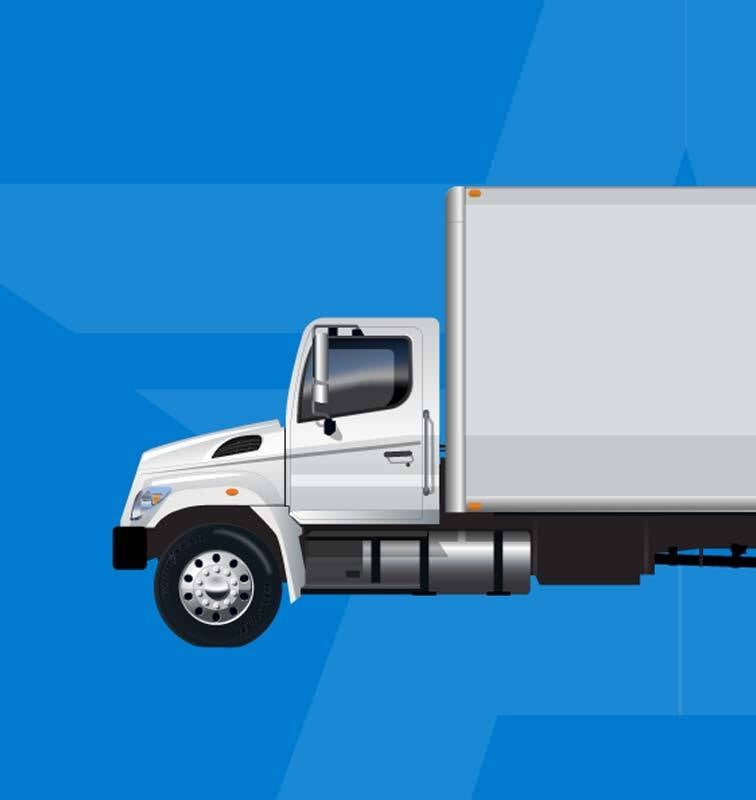
hero-straight-truck

Trusted By Our Most Valuable Partners

Enclosed Truck Fleet Built for Commercial Freight

Box Truck Freight Moves Direct, Without Shared Delays

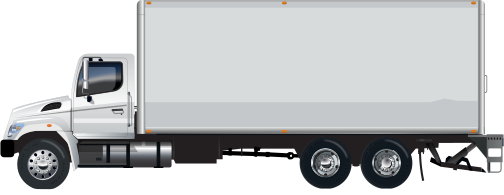
Box truck freight fills one of the most important gaps in commercial shipping. When a load is too large for a Sprinter van but does not require a full 53-foot dry van, a dedicated enclosed truck gives you the right balance of capacity, control, and speed. With the cargo area and cab built on a single rigid frame, your freight stays on one vehicle from pickup through final delivery.

Through the ExpeditedFreight.com network, shippers can access box truck companies operating everything from compact 12-foot units to larger 26-foot trucks, covering a wide range of commercial freight needs. Whether you are moving palletized industrial parts, retail inventory, equipment, or time-sensitive machinery, your shipment is matched with the right truck class before dispatch.

Unlike shared freight services that move through sorting hubs and consolidation points, dedicated box truck freight travels as a single committed load. That means fewer handling touchpoints, less risk of damage, and a more predictable delivery window your operations team can plan around.

BOX TRUCK SERVICES icon-truck

Box Trucks

Box trucks fill the gap between cargo vans and full-size trailers, giving shippers flexible capacity for moderate-sized freight. Commonly used for retail inventory, construction materials, equipment, and general cargo, 10- to 16-foot box trucks offer a practical mix of space, maneuverability, and efficiency for loads that need more room without requiring a semi.

EXPEDITED GROUND icon-sprinter-van

Sprinter Vans

Sprinter vans are a fast, cost-effective option for smaller urgent shipments that need dedicated ground transportation. Ideal for local deliveries, regional routes, and long-distance expedited moves, they help keep time-sensitive freight moving quickly without the cost or capacity of a larger truck.
STRAIGHT TRUCK SERVICES Straight Truck

Large Straight Trucks

Large straight trucks are built for heavier, bulkier shipments that need more capacity than a standard box truck. They are a dependable choice for palletized industrial freight, temperature-sensitive cargo, equipment, and other specialized loads that require secure handling, consistent transport, and efficient dedicated ground service.

DRY VAN SERVICES icon-dry-van

53' Dry Vans

53-foot dry vans provide high-capacity door-to-door transportation across the U.S., Canada, and Mexico. Ideal for palletized freight, non-perishable goods, and large shipments up to 44,000 pounds, they offer efficient enclosed transport for heavier loads. Backed by a vetted carrier network, dry van service helps ensure compliant operations, reliable routing, and smoother cross-border movement.

Dedicated Box Truck Freight, Dispatched When You Need It

Request a Quote

Box Truck Shipping Services Built Around Your Freight

Standard freight networks are designed for volume, not urgency. When your shipment needs to move today, box truck companies that can dispatch a dedicated enclosed truck within hours represent a different category of service entirely.

ExpeditedFreight.com works with box truck companies that operate across commercial freight lanes nationwide. The focus is on direct-drive shipments: your cargo on one vehicle, moving to one destination, without the shared-load delays that add days to standard ground transit. Straight truck freight companies capable of covering both regional and long-haul corridors are vetted before joining the network.

From hydraulic liftgate service at dock-restricted locations to dock-height-compatible delivery at warehouse facilities, the right vehicle is matched to your delivery requirements before the truck rolls. A diesel engine built for sustained highway miles keeps your freight on schedule. Request a quote to get started.

Request a Quote Now

Add your shipment details below, and one of our professional expeditors will contact you within minutes. For immediate assistance on an urgent quote, call (800) 713-8183 with these details handy.

EXPEDITED SERVICES

EXPEDITED FREIGHT EXPLAINED

Expedited freight eliminates hub transfers, reduces handling damage, and puts your cargo on a direct path to its destination. This video breakdown covers how this freight mode works, when it makes sense over other options, and how to match vehicle class to your load size and delivery requirements.

WHAT WE DO

See How Expedited Freight Shipping Works

Box truck freight shipping combines dedicated vehicle capacity with direct routing to keep commercial shipments moving on schedule. Our videos cover how expedited ground freight works, what vehicle classes are involved, and how shippers use box truck companies to solve time-sensitive delivery problems.

Request a Free Freight Quote

Expedited Ground Services

KEY BENEFITS

NATIONWIDE NETWORK
SINGLE POINT of CONTACT
DEDICATED EXPERTISE
REAL-TIME TRACKING

NATIONWIDE NETWORK

Whether your freight starts in a major metro area or a secondary market, dedicated enclosed-truck capacity is available for same-day and next-day dispatch. Box truck companies in our network support dock-to-dock delivery, hydraulic liftgate service, and direct-drive shipments with no terminal stops. With straight truck freight partners positioned across major transportation corridors, your supply chain gets reliable access to expedited capacity when standard carriers are full, slow, or unable to meet the deadline.

EXPLORE OUR COVERAGE
Medium Duty Truck
Expedited Trucking Services

Box Truck Freight Fits These Shipping Scenarios

Expedited freight helps keep projects on schedule when timelines are tight, demand shifts quickly, and urgent material needs leave no margin for delay. Whether moving critical equipment, specialty parts, or last-minute supplies, fast and dependable transportation reduces downtime and helps maintain project momentum.
icon-straight-truck

Expedited Straight Truck Freight

When a production line goes down or a project site runs out of critical materials, expedited freight on a dedicated enclosed truck is often the fastest ground option available. Box truck companies in the ExpeditedFreight.com network can dispatch within hours, moving your cargo direct to its destination without waiting for a consolidation window. This is the scenario where dedicated ground freight outperforms every shared-load alternative, and where having an established carrier relationship makes the difference between a two-hour recovery and a two-day delay. Straight truck freight companies located near your origin city are prioritized for the fastest possible response.

icon-same-day-delivery

Palletized Commercial Cargo

Medium-duty enclosed trucks are well-matched to palletized commercial cargo that exceeds cargo van limits but does not fill a full semi. Manufacturers, distributors, and retailers moving inventory between facilities rely on box truck companies for consistent, damage-controlled transit. The enclosed cargo compartment protects freight from weather and road debris, and the dedicated load structure means your pallets are not mixed with other shippers' freight. Box truck companies in this class typically handle multiple pallets per load, making them practical for regular commercial freight lanes regardless of budget.

Diesel Fuel

Last-Mile Box Truck Delivery

Light-duty enclosed units are frequently used for last-mile delivery in urban and suburban commercial zones where larger vehicles face access restrictions. These delivery trucks navigate tighter streets, smaller loading areas, and dock-restricted locations that a full-size semi cannot reach. Box truck companies operating light-duty units serve retail locations, medical facilities, and office complexes where freight must arrive at street level or through a service entrance. Hydraulic liftgate service is often available on these units for locations without dock-height access, and local box truck companies are capable of covering same-day runs within a given town or metro region.
icon-package

Large Straight Truck Loads

Some shipments require the full hauling capacity of a large enclosed truck without crossing into semi territory. Heavy machinery components, oversized industrial parts, and bulk commercial freight that exceeds medium-duty limits move best on a 26-foot unit dispatched as a dedicated vehicle. Box truck companies operating at this class handle significant weight while maintaining the direct-drive advantage: no drop yards, no relay drivers, no terminal sorting. Your freight loads once and arrives at its destination intact. Freightliner-built platforms are common in this class, known for their reliable diesel engine performance on long corridors.

Lift Gate

Liftgate at Restricted Sites

Not every delivery point has a loading dock. Construction sites, strip mall storefronts, and smaller commercial facilities often lack dock-height infrastructure entirely. A hydraulic liftgate platform lowers freight safely to ground level, solving the access problem without special arrangements. Box truck companies that offer liftgate-outfitted units as a standard option, rather than an add-on requiring advance notice, reduce the friction of delivering to restricted locations. ExpeditedFreight.com coordinates liftgate availability at the time of booking, not after the truck rolls. This is especially valuable in dense urban areas where every town block may present a different unloading constraint.

icon-truck

Same-Day Box Truck Delivery

Same-day freight via dedicated enclosed truck is a viable option for urgent commercial shipments within regional lanes. When air freight is not warranted by distance but expedited shipping is required by deadline, box truck companies dispatched immediately cover the gap. The network maintains available capacity for same-day dispatch, including liftgate-outfitted units and medium-duty options. The delivery service is coordinated through a single point of contact who manages timing from the moment of booking through final delivery confirmation. Of course, price and availability are confirmed upfront so there are no incidental charges after the truck rolls.
Sale

Cube Vans for Smaller Loads

Cube vans and cargo vans fill the gap between a sprinter van and a full enclosed truck. Many box truck companies operate these smaller enclosed units alongside their larger fleet, allowing shippers to right-size the vehicle for loads that do not justify a 12-foot unit. Cube vans are particularly useful for high-value, compact freight that needs the protection of an enclosed compartment without the cost of a larger dedicated vehicle. ExpeditedFreight.com matches cargo vans and cube vans to appropriate loads as part of the same dispatch and tracking infrastructure used for larger classes, keeping the process consistent regardless of load size or budget.

BOX TRUCK OPERATIONS EXPLAINED

What Box Truck Companies Handle and How They Do It

icon-truck

Box Truck Freight: Capacity, Equipment, and Cargo Fit

Box Truck Freight Payload Capacity Expedited Shipping

Box truck freight covers a wide range of commercial shipments that fall between parcel carriers and full truckload operations. Most box trucks are built on a straight truck chassis, meaning the cab and cargo box are part of a single rigid unit rather than a tractor-trailer combination. This design makes them highly maneuverable in urban environments and ideal for final destination deliveries where space is limited.

Payload Capacity and Truck Size Selection

Payload capacity is one of the most critical factors when determining which straight truck fits a shipment. A 12-foot box truck typically handles lighter commercial loads, while a 26 ft truck can carry significantly more weight and volume. Box truck companies use payload ratings to match equipment to cargo, preventing overloading and ensuring compliance with road weight limits.

Cube vans and cargo vans occupy the lighter end of the spectrum, while large straight trucks handle heavier industrial freight. Light duty box trucks are well suited for retail deliveries, electronics, and packaged goods, while medium duty truck options bridge the gap for denser or bulkier freight. Selecting the right truck size directly affects hauling efficiency and cost.

Expedited Freight and Commercial Delivery Timelines

Expedited freight is a core use case for box truck companies, particularly when shipments must reach a final destination within tight windows. Unlike standard LTL networks, expedited shipping via straight truck means the cargo moves directly without intermediate sorting or relay stops. This reduces transit time and minimizes handling damage.

Box truck freight is commonly used for manufacturing components, retail inventory replenishment, and trade show materials. The enclosed cargo box protects shipments from weather and road debris, which is a practical advantage over open flatbed options for most commercial goods. Box truck companies that specialize in expedited delivery truck service maintain fleets that are fueled, inspected, and ready to dispatch quickly.

Request a Straight Truck Quote for Your Next Urgent Shipment

Expedited Freight Resources

Expedited Freight Blog and Resources

Explore practical shipping guides, service explainers, and urgent freight planning resources related to critical cargo, air charter, same day air, and expedited ground logistics.

Filter by Topic
How Same Day Delivery Supports Just-In-Time Supply Chains

How Same Day Delivery Supports Just-In-Time Supply Chains

Just-in-time supply chains reduce inventory carrying costs, improve cash flow, and support lean manufacturing goals. By aligning inbound materials with production schedules, businesses limit excess stock and free up working capital that would otherwise sit idle in warehouses.

Read more
blog-sdd-air-vs-ground

Same Day Delivery Services: Air vs Ground

The market for same day shipping is now a multi-billion-dollar sector and continues to expand rapidly. This growth reflects how U.S. businesses are embracing ultra-fast logistics as part of their strategy to stay competitive. After all, in a country as large as the United States, same day delivery – via either expedited trucks or chartered planes – helps bridge vast distances on tight timelines.
Read more
Trucking Companies in Texas

Trucking Companies in Texas

Texas boasts one of the largest and fastest-growing economies in the world, powered by industries from energy and manufacturing to technology and agriculture. In fact, if Texas were its own country it would rank around the eighth-largest globally by GDP. This economic might creates enormous demand for freight transportation. Thousands of trucking companies in Texas operate around the clock to keep factories running, store shelves stocked, and oilfields supplied. 
Read more
Air Cargo Charter for Remote Destinations

Air Cargo Charter for Remote Destinations

Many such regions lack road or rail links and have limited ports or runways, while extreme weather can cut off access for weeks. In these situations, air cargo charter services act as a lifeline, enabling direct delivery of freight to places that standard shipping or scheduled flights cannot reach. For logistics professionals and shippers, understanding how air charters overcome these hurdles is vital to keeping supply lines open and time-critical cargo on schedule.
Read more
Heavy & Oversized Air Cargo Charter

Heavy & Oversized Air Cargo Charter

Moving heavy and oversized cargo poses a unique logistics challenge. Traditional shipping methods like ocean freight or trucking can be impractical when a single piece of equipment weighs dozens of tons or has enormous dimensions. In industries ranging from energy to aerospace, companies sometimes face urgent scenarios where critical oversized components must be delivered quickly across long distances.
Read more
Air Cargo Charter in Texas

Air Cargo Charter in Texas

Texas plays a unique and outsized role in the North American freight and logistics landscape. With its expansive geography, diverse industrial base, and globally connected transportation infrastructure, the state functions as both a major origin and destination for domestic and international freight.
Read more
Industrial Expedited Freight Services

Industrial Expedited Freight Services

Industrial expedited freight serves as a critical "insurance policy" for global supply chains. When traditional shipping schedules fail, these services provide a spectrum of options—ranging from specialized vans to private cargo jets—to ensure business continuity.
Read more
blog-same-day-air-texas

Same Day Air Charter Texas

Texas is a logistics powerhouse due to its sheer scale, diverse industries, and strategic location. The Lone Star State handles a significant volume of high-value freight – for example in 2024, Texas airports handled approximately 2.5 million tons of air cargo.
Read more
Air Charter Service

Air Charter Service

Air cargo charter services deliver on-demand freight solutions by renting an entire aircraft for a single shipper. A company rents a dedicated  airplane, from a turboprop to a jumbo freighter, exclusively for its goods.
Read more
blog-air-charter-aerospace

Air Cargo Charter for the Aerospace Industry

When urgent air freight is needed for an Aircraft on Ground (AOG) situation or when an outsized part must reach a factory overseas, a dedicated charter flight can be a lifesaver. Unlike standard shipping, air charters offer on-demand, point-to-point transport with the speed and flexibility that aerospace timelines often demand.
Read more
Next Day Delivery

Next Day Delivery

When a manufacturing line is halted waiting for a critical component, or when a hospital needs a life-saving medical device by morning, traditional transit methods won’t cut it. This is where overnight air freight and next day delivery services come into play.
Read more
Hot Shot Trucking for the Construction Industry

Hot Shot Trucking for the Construction Industry

In the U.S. construction industry, projects operate under tight schedules where any delay can cascade into cost overruns and idle crews. Construction sites often have crews waiting on critical materials or components – if those items don’t arrive on time, work might halt.
Read more

Request a Quote

Get Your Freight Moving with Proven Box Truck Companies

Choosing the right partner for your commercial freight is not just about finding available capacity.

It's about matching your shipment with the right truck, driver, route, and delivery plan before delays start compounding. A well-coordinated box truck move can help avoid LTL terminals, reduce handling, and keep freight moving directly from pickup to destination.

ExpeditedFreight.com connects B2B shippers with vetted box truck companies across the country. Whether you need a compact unit for a local urgent delivery or a large 26-foot vehicle for a full-payload haul across multiple states, the network is built to respond quickly and execute reliably. Local box truck companies located near your origin are prioritized for the fastest dispatch.

Request a quote and a dedicated specialist will assess your freight, identify the right truck class, and confirm availability for same-day or next-day dispatch. Box truck companies move freight on your schedule, not a carrier's consolidation window.

Request a Quote Now

Add your shipment details below, and one of our professional expeditors will contact you within minutes. For immediate assistance on an urgent quote, call (800) 713-8183 with these details handy.

FAQ

What is a straight truck and how does it differ from a semi-truck?

A straight truck is a single-unit vehicle where the cab and cargo area are mounted on the same chassis, unlike a semi-truck that uses a detachable trailer pulled by a separate tractor. Most box trucks, cube vans, and large straight trucks fall into this category. Because the entire unit operates as one piece of equipment, straight trucks are easier to maneuver in urban areas, tight loading zones, and facilities with limited turning radius. They range from light duty box trucks used for local delivery to heavy-duty models capable of hauling significant freight volumes. Semi-trucks carry more volume overall but require dock-level access that straight trucks can often bypass through liftgate-equipped configurations.

What is a box truck used for in freight shipping?

A box truck is a medium duty truck built with an enclosed rectangular cargo area, commonly used for delivery truck service across industries including manufacturing, retail, and construction. Box truck freight typically covers shipments too large for cargo vans or sprinter vans but not large enough to justify a full dry van trailer. Common use cases include hauling machinery parts, trade show materials, restaurant equipment, and time-sensitive industrial goods. Because the cargo area is fully enclosed, freight stays protected from weather during transit. Expedited freight shipping often relies on these vehicles when a dedicated load needs to move directly to its final destination without stops at a shared freight terminal.

What does payload capacity mean for a box truck?

Payload capacity refers to the maximum weight a box truck can legally and safely carry in its cargo area, excluding the weight of the truck itself. This figure is set by the manufacturer and varies based on chassis rating, axle configuration, and suspension design. For example, a light duty box truck may carry 3,000 to 5,000 pounds, while a large straight truck can be rated for 10,000 pounds or more. Shippers must accurately determine the combined weight of their freight and packaging before loading, as exceeding payload capacity creates safety risks and potential liability. Your account manager can help verify that the equipment selected matches your freight's weight and dimensional requirements.

What is the difference between a 12-foot box truck and a 26 ft truck?

A 12-foot box truck is typically classified as a light duty box truck suited for smaller freight loads, local delivery runs, and shipments where maneuverability in tight spaces is a priority. A 26 ft truck represents the largest standard straight truck class, offering substantially more cargo volume and a higher payload capacity. The 26 ft truck is dock height compatible on most loading docks and is often equipped with a lift gate for locations without dock access. In terms of CDL requirements, the 26 ft truck may require a commercial driver's license depending on its gross vehicle weight rating, while drivers of smaller straight trucks may operate under a standard license in many states.

What does liftgate service mean in freight delivery?

Liftgate service refers to the use of a hydraulic platform mounted at the rear of a delivery truck to raise and lower freight between ground level and the cargo floor. This is one of the most practical additional features available on straight trucks, enabling deliveries to locations without a loading dock, such as retail storefronts, medical facilities, or construction sites. The lift gate can typically handle freight loads ranging from a few hundred to over 2,500 pounds depending on the unit's rating. Liftgate-equipped box trucks allow shippers to reach a broader range of final destination types without requiring the receiver to have specialized unloading equipment on site.

What is dock height and why does it matter for box truck deliveries?

Dock height refers to the standard elevation of a commercial loading dock, typically 48 to 52 inches from the ground. When a delivery truck's cargo floor aligns with dock height, freight can be transferred using pallet jacks or forklifts without ramps or mechanical lifts. Most box trucks designed for commercial freight are built to be dock height compatible, simplifying loading and unloading at warehouses and distribution centers. However, when delivering to locations that lack a dock, a lift gate becomes necessary. Shippers planning box truck freight to mixed-facility locations should clarify dock access in advance so dispatch can assign the correctly equipped vehicle.

What CDL requirements apply to straight truck drivers?

CDL requirements for straight truck drivers depend primarily on the vehicle's gross vehicle weight rating, or GVWR. In the United States, a commercial driver's license is generally required when the GVWR exceeds 26,001 pounds. A 26 ft truck at or above that threshold requires a Class B CDL at minimum, while smaller medium duty trucks may fall below the threshold and allow operation under a standard license. Drivers hauling hazardous materials face additional endorsement requirements regardless of vehicle size. Professional drivers operating large straight trucks within a commercial fleet should maintain current medical certifications and comply with applicable hours-of-service regulations enforced by the FMCSA.

What is expedited freight and how does it differ from standard ground shipping?

Expedited freight is a shipping method that prioritizes speed and directness, typically using dedicated vehicles that move a single shipper's load point-to-point without stops at intermediate sorting hubs. Standard ground shipping consolidates freight from multiple shippers into shared trailers, which reduces cost but adds time due to multiple handling events. Expedited shipping via straight trucks or cargo vans is commonly used when freight must reach its final destination within a compressed timeframe due to production deadlines, emergency restocking, or critical equipment needs. Unlike LTL freight, which is discussed from a comparative standpoint, expedited loads are not commingled with other shippers' freight, reducing damage risk and improving delivery predictability.

How do box truck companies typically handle freight that cannot be dock-loaded?

When freight cannot be loaded or unloaded at a standard dock, box truck companies rely on vehicles equipped with a lift gate or ramp system to manage the height difference. Dispatch teams assess the delivery location in advance to determine which equipment configuration is appropriate. For example, a receiver located in a residential zone or at a street-level storefront will typically require liftgate service. Some straight trucks also carry additional features such as load bars, strapping systems, and moving blankets to protect freight during transit. Communicating site access details accurately when arranging a shipment ensures the correct delivery truck service is dispatched and avoids delays at pickup or delivery.

What freight scenarios are best handled by large straight trucks rather than cargo vans or sprinter vans?

Large straight trucks are most appropriate when freight volume or weight exceeds what cargo vans or sprinter vans can accommodate. A sprinter van typically maxes out around 2,500 to 3,500 pounds and 270 cubic feet of cargo space, making it well-suited for smaller urgent loads. When shipments involve bulky industrial equipment, multiple pallets, or items requiring a lift gate for loading, a large straight truck offers the necessary payload capacity and cargo volume. Hotshot trucking using flatbed configurations may handle similarly sized loads for uncovered freight, but box truck freight provides weather protection that flatbed trucking does not. Your account manager can help match freight dimensions and weight to the right vehicle class.

What role do moving trucks play in commercial freight shipping?

Moving trucks share the same basic straight truck configuration as commercial box trucks, though they are typically rented for consumer or office relocation rather than deployed in ongoing freight networks. In commercial logistics, the term moving trucks sometimes describes medium duty vehicles used for office relocations, trade show setups, or equipment staging. Most box trucks used professionally in freight shipping are maintained within dedicated fleets rather than rented units, ensuring consistent mechanical standards and driver accountability. A diesel engine is standard in commercial-grade straight trucks due to its fuel efficiency and torque output, while consumer moving trucks may use either gasoline or diesel fuel depending on the model and manufacturer.

How is a box truck's cargo area measured and why does it affect freight planning?

A box truck's cargo area is measured by interior length, width, and height, with the combined figures determining total usable cubic footage. These dimensions directly influence how shippers plan freight loading, particularly when hauling irregularly shaped items or stacking pallets. For example, a 26 ft truck typically offers around 1,600 to 1,800 cubic feet of cargo space, while a 12-foot box truck may provide only 400 to 500 cubic feet. Shippers must account for both dimensional limits and payload capacity when building a load, since exceeding either creates compliance and safety concerns. Providing accurate freight inventory and dimensions to your dispatch team before pickup helps ensure the equipment selected can safely accommodate the full load.

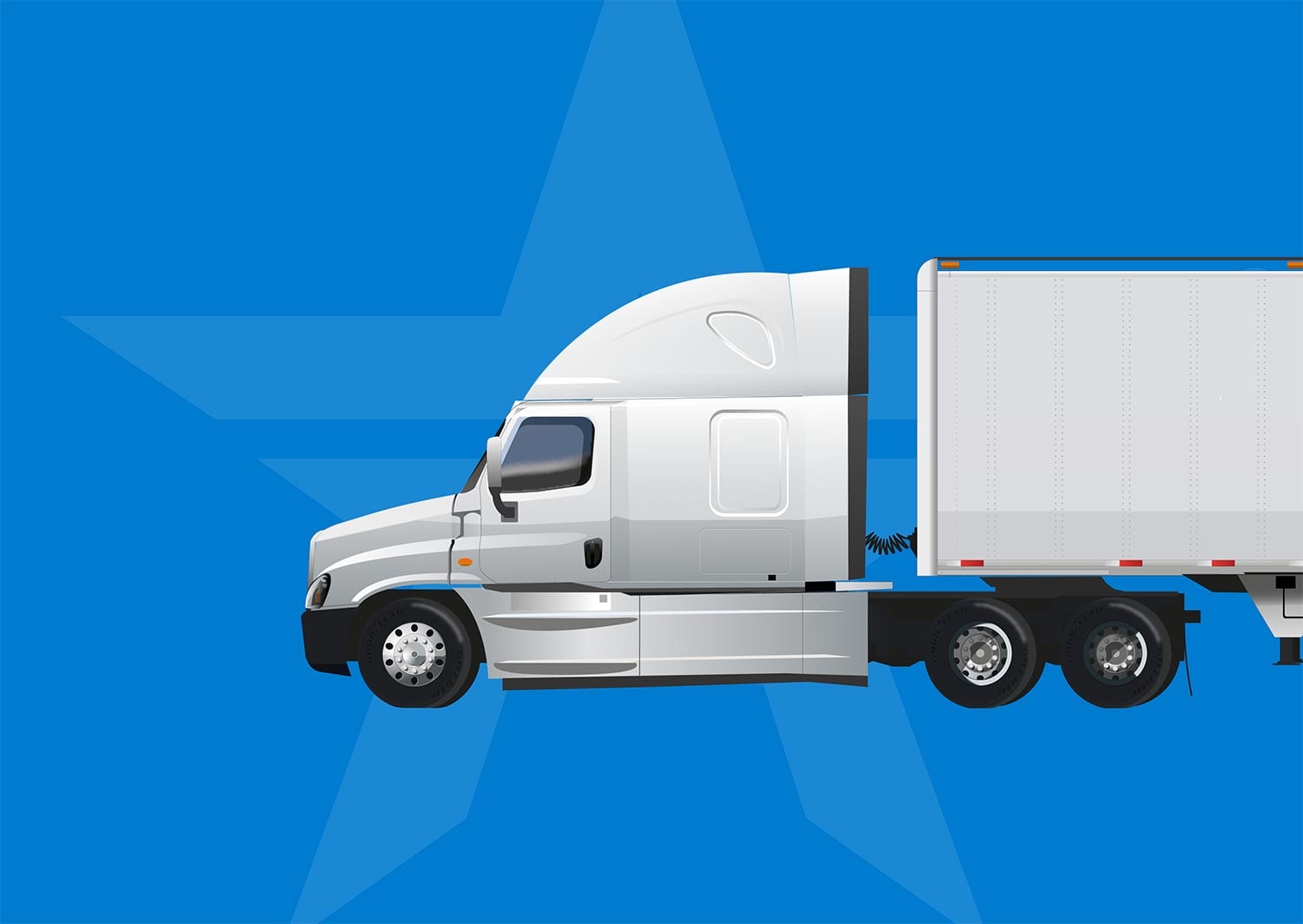
CTA Hero Star Background
TOP