
Skip to content
5.0 rated on Trustpilot

Critical Shipping

Critical shipping is for freight that cannot be late or damaged, because the cost of failure is far higher than the cost of moving it. ExpeditedFreight.com arranges dedicated trucks and flights with close tracking and few handoffs. Share the shipment and the deadline.

What shippers get

Timely Help with a Shipping Issue

“Honestly, I am not totally sure how I would have dealt with my shipping issue in such a timely fashion.” — Julian

A Crucial Material In-House Fast

“This shipping option was extremely helpful when it came to getting a crucial raw material in-house within 24 hours.” — Cait

Help in a Shipping Emergency

“We found ourselves with a shipping emergency and Chris jumped right in and helped us out!” — Suz

Critical by the numbers

Critical freight by the numbers

$2.3 million

cost of one hour of downtime at a large automotive plant1

What it means for you

When an hour of downtime costs this much, the cost of critical shipping is small by comparison. Getting the part there sooner is what matters.

$1.4 trillion

lost each year to unplanned downtime by the world's 500 largest companies2

Unplanned downtime costs the largest companies enormous sums every year.

34%

of companies now rely on larger inventory buffers, down from 59%3

Many companies carry less spare inventory, so one late part can stop work.

33%

of world trade by value moves as air cargo4

Air carries a large share of trade by value, including critical parts.

Expeditor at his desk tracking a shipment
In short

The cost of failure defines it

A shipment is critical when a delay or damage would be severe.

Critical shipping What makes it critical

What makes a shipment critical

A shipment becomes critical when the consequences of a delay or damage are severe. A replacement part for a stopped production line, a medical device a patient is waiting for, an aircraft part that will return a plane to service, products for a launch date or evidence for a court date all fall into this group. The freight may be small or large; what matters is what happens if it does not arrive.

Shipments like these are planned around that risk. The cost of moving the freight quickly and carefully is weighed against the cost of failure, and when failure is expensive enough, the fastest and most controlled option is usually the right one.

ExpeditedFreight.com arranges critical shipping with dedicated trucks and flights, choosing the option that removes the most risk for each shipment.

Aerial view of a truck driving on the road
Differences How it differs

How it differs from standard freight

Standard freight is planned for efficiency: shipments share trucks, move through terminals and follow schedules. Critical shipping is planned for certainty. The freight gets dedicated capacity, a truck or flight booked for it alone, so it is not waiting for other freight or a set departure.

The route is as direct as possible, with no terminal stops and as few handoffs as possible, because each handoff is a chance for delay or damage. Tracking is closer, with regular check calls or location updates, and someone is accountable for the shipment around the clock, ready to act if anything changes.

The result is less risk at every step. ExpeditedFreight.com works this way on every critical shipment, with one expeditor who owns the load from pickup to proof of delivery.

Critical options

6 critical shipping options ranked by speed

This ranking orders common critical shipping options from fastest to slowest over long distances, in general terms. ExpeditedFreight.com arranges each one; re-sort by speed, load or cost.

Sort by
  1. Best for big urgent loads

    Air charter

    A whole aircraft that leaves when the freight is ready. It is the fastest option for large loads over long distances.

    GoodFastest for big loads WatchHighest cost
    Fastest
    speed
    Up to aircraft size
    load size
    $$$$$
    relative cost
  2. Best for small critical items

    Same day hand carry

    A courier flies with the item and hands it over in person. It suits small parts and documents needed far away today.

    GoodNever out of sight WatchSmall items only
    Very fast
    speed
    Baggage size
    load size
    $$$$$
    relative cost
  3. Best for urgent pallets far away

    Next flight out

    Freight on the first suitable flight with trucks at both ends. It suits boxes and pallets over long distances.

    GoodSame day over distance WatchAirline cutoffs apply
    Fast
    speed
    Pallets and crates
    load size
    $$$$$
    relative cost
  4. Best for small loads in range

    Sprinter van

    A cargo van dispatched for one load and driven straight to the receiver. It carries up to 3,000 lbs.

    GoodFast and economical WatchUp to 3,000 lbs
    Fast in range
    speed
    ~3,000 lbs
    load size
    $$$$$
    relative cost
  5. Best for heavy freight in range

    Straight truck or hot shot

    A straight truck up to 9,000 lbs or a hot shot up to 16,000 lbs sent for one load. It suits pallets and heavy parts.

    GoodHeavy freight, direct WatchSpeed depends on distance
    Fast in range
    speed
    ~16,000 lbs
    load size
    $$$$$
    relative cost
  6. Best for full loads

    53 ft dry van

    A full enclosed trailer for one shipper's freight, driven direct. It carries up to 42,000 lbs of pallets and boxes.

    GoodHighest capacity WatchSlowest over long distances
    Steady
    speed
    ~42,000 lbs
    load size
    $$$$$
    relative cost
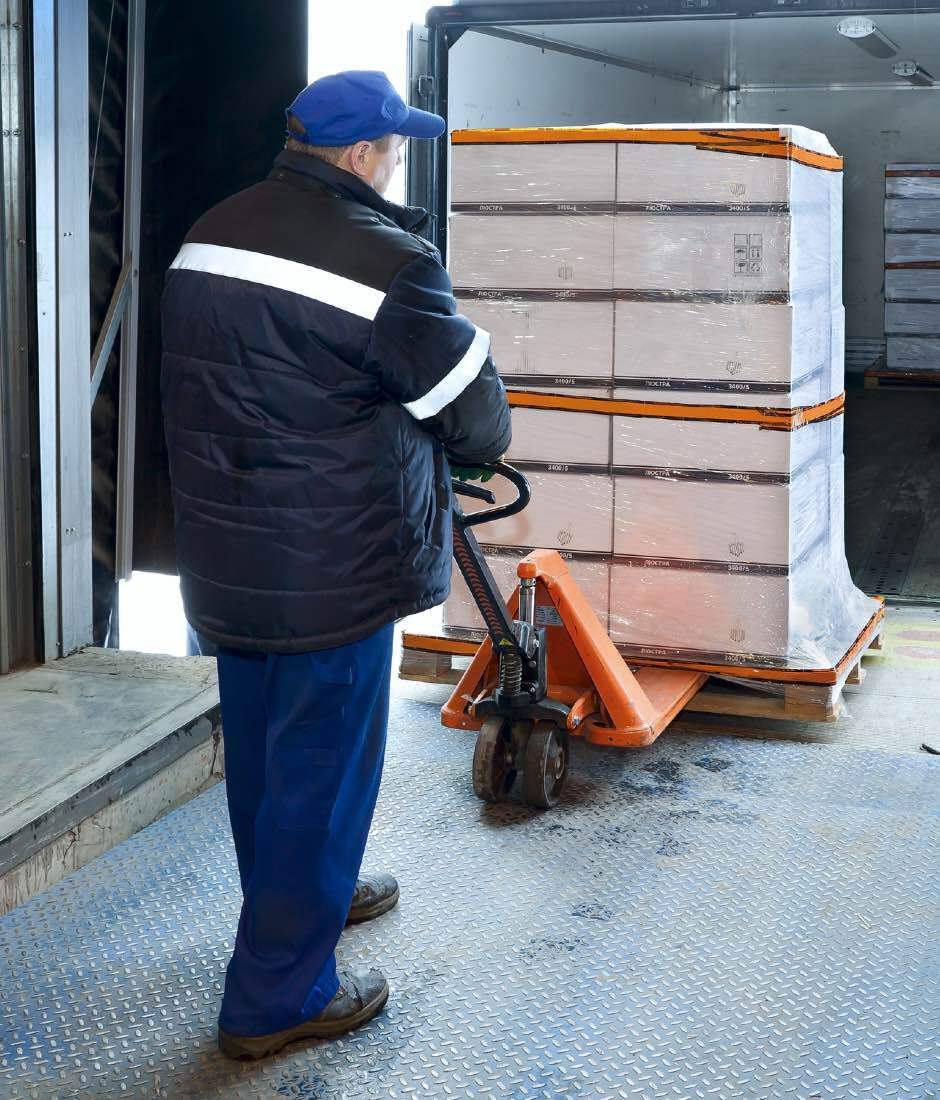
Worker loading a truck
Why it matters

Size, distance and deadline decide

The right mode is the one that removes the most risk.

Modes Choosing the mode

Choosing the mode

The size of the freight, the distance and the deadline decide the mode. Within driving range, a dedicated truck that leaves at pickup and drives straight to the receiver is usually fastest. A Sprinter van carries up to 3,000 lbs, a box truck up to 5,000 lbs and a straight truck up to 9,000 lbs. A hot shot carries up to 16,000 lbs on an open deck for heavy parts, and a 53 ft dry van or flatbed carries full loads.

For long distances, air takes over. Next flight out puts boxes and pallets on the first suitable flight, hand carry sends a courier with a small critical item and an air charter flies a whole aircraft when nothing scheduled will do.

ExpeditedFreight.com compares these for each critical shipment and recommends the one most likely to arrive in time.

5.0 from 1,600+ reviews on

A shipment that cannot fail? Get a critical shipping quote.

Share the freight, both addresses and the deadline, and we will match a dedicated truck or flight to it.

  • Easy to deal with. Got the critical parts moved from over 350 miles away and did it in less time than quoted. Kept our company updated with progress of shipment. Will use again in the future.

    Clint
  • Justin came through and dispatched a driver in less than 2 hours and had my material delivered to plant site exactly as promised. Was wonderful to work with a partner to help me resolve my shipping needs.

    Dan

Request a Quote

Step 1 of 3Origin and Destination Info

Expeditor Kevin
The rule

Handling protects the freight

Exclusive use, seals and signatures keep the record clear.

Handling Handling and security

Handling and security

A few handling practices do most of the work. Exclusive use means the truck carries only that shipment, with no other freight loaded or unloaded along the way. On an enclosed truck, the doors can be sealed at pickup with a numbered seal, which the receiver checks before unloading to confirm the freight was not disturbed.

Signatures at each handoff create a record of who had the freight and when, from the bill of lading at pickup to the proof of delivery at the end. Tracking and check calls keep the shipper informed, and early warning of any delay leaves time to act. For small, high-value items, hand carry keeps the item with one courier the whole way.

These practices protect the freight and give the shipper certainty. ExpeditedFreight.com arranges them on every critical shipment.

Protecting the load

Exclusive use truck, shared truck or air freight

An exclusive use truck, a shared truck and air freight protect critical freight differently. ExpeditedFreight.com arranges exclusive use trucks and air; read across to compare.

Exclusive use truck ExpeditedFreight.com Shared truck Other freight on board Air freight Next suitable flight
No other freight on board Yes: Only your load No: Shared space No: Shared aircraft
Sealed from pickup to delivery Yes: Seal number No: Opened at stops Sometimes: Airline handling
Fewest handoffs Yes: One truck Sometimes: Terminal stops Sometimes: Trucks at both ends
Long distances fast Sometimes: Driving time No: Slowest Yes: Built for it
Pallets and heavy freight Yes: Van to dry van Yes: Large loads Sometimes: If it fits the aircraft
Best when Critical, in driving range Routine freight Critical, far away

Exclusive use truck

ExpeditedFreight.com
No other freight on board
Yes: Only your load
Sealed from pickup to delivery
Yes: Seal number
Fewest handoffs
Yes: One truck
Long distances fast
Sometimes: Driving time
Pallets and heavy freight
Yes: Van to dry van
Best when
Critical, in driving range

Shared truck

Other freight on board
No other freight on board
No: Shared space
Sealed from pickup to delivery
No: Opened at stops
Fewest handoffs
Sometimes: Terminal stops
Long distances fast
No: Slowest
Pallets and heavy freight
Yes: Large loads
Best when
Routine freight

Air freight

Next suitable flight
No other freight on board
No: Shared aircraft
Sealed from pickup to delivery
Sometimes: Airline handling
Fewest handoffs
Sometimes: Trucks at both ends
Long distances fast
Yes: Built for it
Pallets and heavy freight
Sometimes: If it fits the aircraft
Best when
Critical, far away

General comparison; options depend on distance and flights.

Expeditor Andy
The upshot

Every industry has critical loads

Plants, patients, aircraft and data centers all depend on it.

Industries Industries that ship it

Industries that ship critical freight

Every industry has critical shipments. Automotive and manufacturing plants ship replacement parts when a line is down. Healthcare providers and pharmaceutical companies move medical devices, medicines and samples that patients depend on. Aerospace companies fly parts to aircraft waiting on the ground for repair.

Technology companies and data centers ship servers and components when systems fail or capacity is needed fast. Energy companies send pumps, valves and equipment to remote sites where downtime is costly. Retailers ship products for launches and promotions that cannot move.

What these shipments share is a deadline that cannot slip. ExpeditedFreight.com arranges these shipments for each of these industries, with the option, handling and tracking chosen to remove risk.

Working with us

How ExpeditedFreight.com handles critical shipments

A shipment goes right when one person owns it, the option fits and the updates are honest.

Expeditor Steve

“I had a single point of contact assigned to our shipment that was fantastic on keeping me updated every step of the way.”

Pamela · Trustpilot
HowWe Work

One Person, Start to Finish

When you call ExpeditedFreight.com, you reach a real person right away, and that same person owns your shipment from the first call to final delivery. You never have to explain it twice.

Your expeditor books it, follows it the whole way and is the person you call next time.

  • A direct number for your expeditor
  • Updates at pickup and delivery
  • The same person on your next shipment
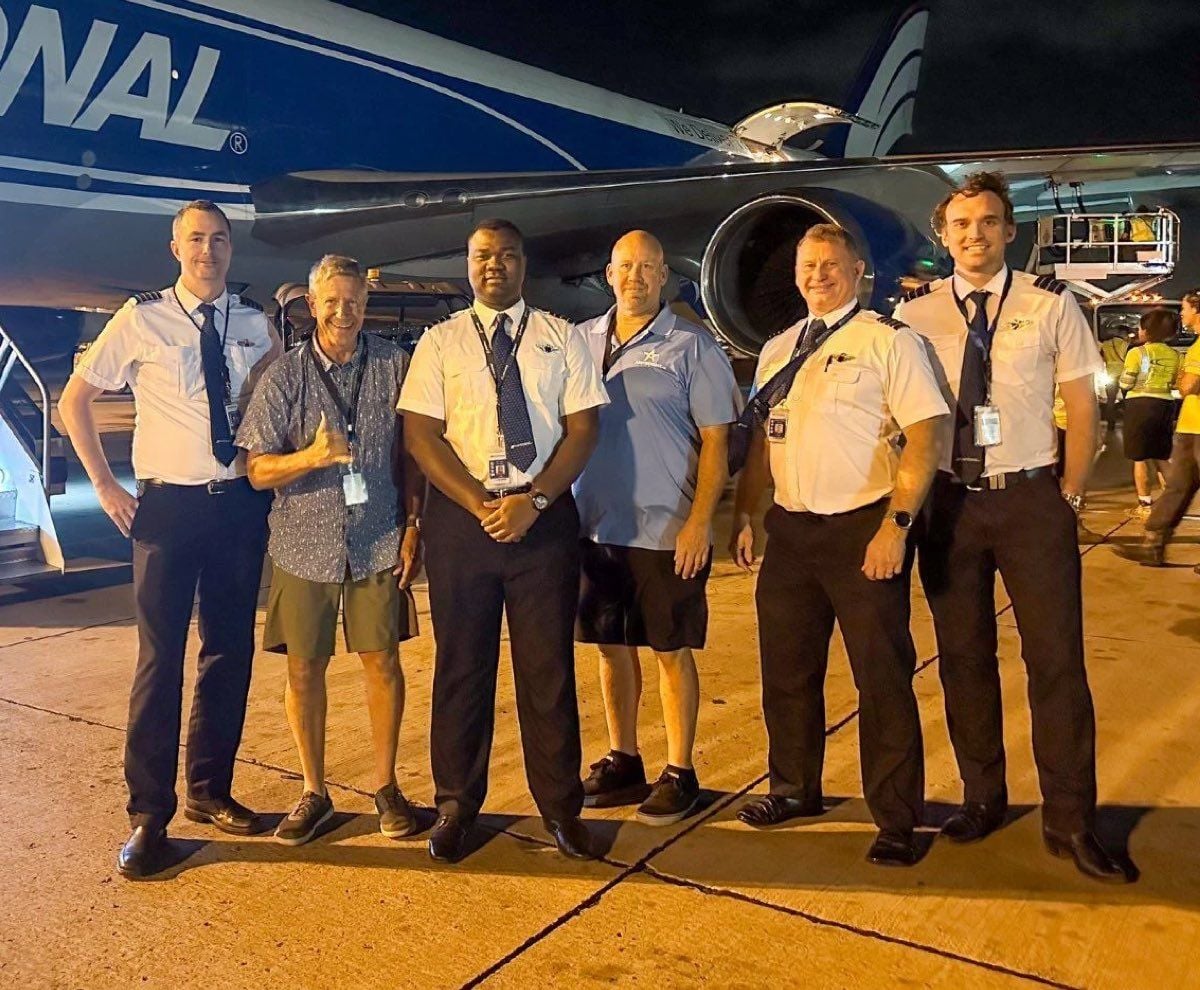
Expeditor Chris at the airport

“I called up at 7:30 pm... one that was secured cancelled at the end of the day. Todd quoted three shipments on the spot... The last shipment was picked up at Midnight.”

Susan · Trustpilot
WhatWe Provide

The Right Mode, Every Time

Every shipment is different, and the right solution is the one that actually fits. We arrange Sprinter vans, box trucks, straight trucks, hot shots, 53 ft dry vans, flatbeds and air freight across the US.

We match the shipment to the option it needs, so you never pay for capacity or speed you do not use.

  • Each option weighed against your deadline
  • Exclusive use when the load is critical
  • Air only when the road is too slow
The expediting team at the airport

“True to word. They did exactly what they said they would do.”

Dan · Trustpilot
WhoWe Are

Honest With You, Always

Urgent freight is stressful enough without wondering whether you have the full story. We give you the price before you commit, the timeline as it actually stands, and if something goes wrong, you hear it from us first.

That includes telling you when a slower option will still make your deadline.

  • Clear quotes before you commit
  • Real updates, including the bad news
  • We tell you when slower will do

Critical Shipping Questions Answered

What is critical shipping?

Critical shipping is the movement of freight whose delay or damage would have severe consequences, such as a stopped production line, a patient waiting for a device or an aircraft grounded for a part. It uses dedicated capacity, direct routing, close tracking and as few handoffs as possible. The mode is chosen by the size of the freight, the distance and the deadline, from dedicated trucks to air charter. Sharing complete details when booking helps avoid delays. A provider can confirm what is possible for a specific shipment.

What makes a shipment critical?

A shipment is critical when the cost of it arriving late or damaged is much higher than the cost of shipping it. Examples include replacement parts for stopped equipment, medical devices and medicines, aircraft parts, servers for failed systems, products for a fixed launch and documents for a court date. The freight itself may be ordinary; the consequences of failure are what make it critical. A provider can confirm what is possible for a specific shipment. Asking these questions before booking avoids surprises later.

How is critical shipping different from standard freight?

Standard freight is planned for efficiency, with shared trucks, terminal stops and set schedules. Critical shipping is planned for certainty: a dedicated truck or flight, direct routing, as few handoffs as possible, close tracking and someone accountable around the clock. It costs more than standard freight, but it removes the delays and risks that come with sharing space and schedules. Asking these questions before booking avoids surprises later. Planning ahead makes the delivery go more smoothly. Sharing complete details when booking helps avoid delays.

What modes are used for critical shipping?

Critical shipping uses dedicated trucks sized to the freight, from Sprinter vans and box trucks to straight trucks, hot shots, 53 ft dry vans and flatbeds, for destinations within driving range. For long distances, it uses next flight out for boxes and pallets, same day hand carry for small critical items and air charter for large or very urgent loads. The mode is chosen for each shipment. Planning ahead makes the delivery go more smoothly. Sharing complete details when booking helps avoid delays. A provider can confirm what is possible for a specific shipment.

What is exclusive use?

Exclusive use means a truck is booked for one shipper's freight only, with no other freight loaded or unloaded during the trip. The truck collects the freight and drives straight to the receiver. Exclusive use reduces handling, avoids terminal stops and lets the trailer be sealed from pickup to delivery, which makes it a common choice for critical and high-value freight. Sharing complete details when booking helps avoid delays. A provider can confirm what is possible for a specific shipment. Asking these questions before booking avoids surprises later.

What is a sealed trailer?

A sealed trailer is an enclosed trailer whose doors are closed and secured with a numbered seal after loading. The seal number is recorded on the shipping documents, and the receiver checks that the seal is intact and the number matches before opening the doors. An intact seal shows the trailer was not opened during the trip, which matters for critical and high-value freight. A provider can confirm what is possible for a specific shipment. Asking these questions before booking avoids surprises later. Planning ahead makes the delivery go more smoothly.

How are critical shipments tracked?

Critical shipments are tracked closely through regular check calls with the driver or carrier and through location updates from the truck. For air legs, the air waybill is used to follow the freight. A good provider shares updates at pickup, along the way and at delivery, and warns the shipper early if anything could cause a delay, so there is time to act. Asking these questions before booking avoids surprises later. Planning ahead makes the delivery go more smoothly. Sharing complete details when booking helps avoid delays.

Which industries use critical shipping?

Many industries use critical shipping, including automotive and manufacturing plants, healthcare providers and pharmaceutical companies, aerospace companies, technology companies and data centers, energy companies and retailers with fixed launch dates. Each has shipments where a delay would stop work, affect patients, ground aircraft or miss a market date, so the cost of failure justifies fast, controlled shipping. Planning ahead makes the delivery go more smoothly. Sharing complete details when booking helps avoid delays. A provider can confirm what is possible for a specific shipment.

When should a critical shipment fly?

A critical shipment should fly when the destination is too far to reach by road before the deadline. Next flight out suits boxes and pallets that fit the aircraft, same day hand carry suits small critical items and an air charter suits large loads or routes without suitable flights. Within driving range, a dedicated truck is often faster because there is no airport handling. Sharing complete details when booking helps avoid delays. A provider can confirm what is possible for a specific shipment. Asking these questions before booking avoids surprises later.

How do I book a critical shipment?

To book a critical shipment, share what the freight is, the number of pieces, the weight and dimensions of each, how it is packed, the pickup and delivery addresses, contacts at each end, the receiver's hours and the exact deadline. Mention any special handling or security needs. The provider compares truck and air options, confirms the quote and dispatches the truck or books the flight right away. A provider can confirm what is possible for a specific shipment. Asking these questions before booking avoids surprises later.

Get a quote

A shipment that cannot fail? Get a quote now

Enter your pickup, delivery and deadline, and we will match a dedicated truck or flight to it.

5.0 from 1,600+ reviews on

Request a Quote

Step 1 of 3Origin and Destination Info

Reached out for a quote and received a response within 5 minutes from Chris Noe. Quick with responses and driver updates.

Ryan · Verified review on Trustpilot
CTA Hero Star Background
TOP