

Skip to content
AirFreight logo with topographic patterns

Expedited Truckload

A full load with a fixed delivery time cannot wait for a scheduled truck. Expedited truckload puts it on its own trailer, running non-stop, often with two drivers. ExpeditedFreight.com dispatches 53 ft dry vans and flatbeds, plus smaller trucks when the load is lighter.

CALL US AT (800) 704-7145

Dry Van

Trusted By Our Most Valuable Partners

EXPEDITED TRUCKLOAD

A Full Trailer, Running Non-Stop to a Fixed Delivery Time

Standard truckload is booked days ahead and usually runs with one driver, who has to stop when legal driving hours run out. That is fine for flexible freight. For a full load due at a plant or a distribution center at a fixed time, every stop and every day of lead time is a risk.

ExpeditedFreight.com dispatches expedited truckloads on demand. The trailer is dedicated to your shipment and runs straight to the receiver. On long runs it can carry two drivers who take turns, so the truck keeps moving. We cover the US, Canada and Mexico.

Expedited truckload is also about the details at each end. The pickup has to be loaded on time, and the receiver has to have a dock door open when the truck arrives. We confirm both before dispatch and track the truck through the run, so a late load is caught early rather than discovered at the gate.

The trucks below cover full loads and the lighter loads that do not need a whole trailer. The page then explains what expedited truckload means and how it compares with standard FTL.

ENCLOSED FULL LOADS 53-ft-dry-vans

53 ft Dry Vans

A 53 ft dry van carries up to about 42,000 lbs. With a driver team it can cover more than twice the daily miles of a single driver. The trailer carries only your freight and makes no stops at terminals on the way.

Dry Van Services about Enclosed full loads
OPEN-DECK FULL LOADS flatbed-trucks

Flatbed Trucks

A 48 to 53 ft flatbed carries up to about 48,000 lbs of steel, lumber or machinery. It loads from the side or top for freight that will not fit through a door. We check dimensions and weight before dispatch, so any permits are in place before the truck leaves.

Flatbed Services about Open-deck full loads
LIGHTER LOADS large-straight-trucks

Large Straight Trucks

A 22 to 26 ft straight truck carries up to about 9,000 lbs. It is a faster, lower-cost choice when the load does not fill a trailer. It can often be dispatched faster than a full trailer for loads that need only a few pallet spaces.

Straight Truck Services about Lighter loads
expeditor
In one line

A full trailer, non-stop

Expedited truckload sends one shipper's load straight to delivery on a set timeline.

Expedited truckload What it means

What expedited truckload means

Whether your priority is a launch date, a waiting plant or a missed truck, expedited truckload moves a full trailer fast. It means a full or near-full trailer dedicated to one shipper, dispatched on demand and running non-stop to a time-definite delivery.

An expedited load is any shipment moved faster than the standard schedule. In trucking, that usually means no terminal stops, no cross-docking and no waiting for a scheduled pickup. Expedited is also different from express, which refers to faster parcel tiers on shared networks.


Aerial view of a truck driving on the road
The difference

No wait, no terminal stops

Expedited truckload is dispatched when the freight is ready, often with two drivers on long runs.

How it compares The alternatives

Expedited truckload, standard FTL or expedited LTL

When standard full truckload isn't the right fit for your deadline, expedited truckload might be the answer. The difference is in how the trailer is scheduled and how it moves.

Standard full truckload books a trailer for a scheduled pickup, usually with one driver who stops to rest each day. Expedited LTL gives a smaller shipment priority on a shared truck, but it still moves through terminals. Expedited truckload is dispatched as soon as the freight is ready and runs with no terminal stops. It often uses a team of two drivers on long runs.

For a full load with a fixed delivery time, that combination removes both the wait and the stops. It is the most direct way to move a large shipment against a deadline by road.

Comparing truckload options

Expedited truckload, standard FTL or expedited LTL

All three move freight by truck, but they differ on scheduling, stops and drivers. Read across each row to see which fits a large load with a deadline.

Expedited Truckload On demand, non-stop Full Truckload Scheduled, one driver Expedited LTL Priority on a shared truck
Dispatched on demand Yes: When freight is ready Sometimes: Scheduled pickup No: Network schedule
Two drivers on long runs Yes: Keeps the truck moving No: Usually one driver No: Terminal handoffs
No terminal stops Yes: Pickup straight to delivery Yes: Direct once loaded No: Moves through terminals
Time-definite delivery Yes: Planned to your window Sometimes: Appointment, some slack Sometimes: Committed date
Handles a full trailer Yes: 53 ft van or flatbed Yes: Its main purpose No: Built for a few pallets
Lowest cost No: Priced for speed Yes: Efficient for full loads Sometimes: Cheaper for small loads

Expedited Truckload

On demand, non-stop
Dispatched on demand
Yes: When freight is ready
Two drivers on long runs
Yes: Keeps the truck moving
No terminal stops
Yes: Pickup straight to delivery
Time-definite delivery
Yes: Planned to your window
Handles a full trailer
Yes: 53 ft van or flatbed
Lowest cost
No: Priced for speed

Full Truckload

Scheduled, one driver
Dispatched on demand
Sometimes: Scheduled pickup
Two drivers on long runs
No: Usually one driver
No terminal stops
Yes: Direct once loaded
Time-definite delivery
Sometimes: Appointment, some slack
Handles a full trailer
Yes: Its main purpose
Lowest cost
Yes: Efficient for full loads

Expedited LTL

Priority on a shared truck
Dispatched on demand
No: Network schedule
Two drivers on long runs
No: Terminal handoffs
No terminal stops
No: Moves through terminals
Time-definite delivery
Sometimes: Committed date
Handles a full trailer
No: Built for a few pallets
Lowest cost
Sometimes: Cheaper for small loads

ExpeditedFreight.com dispatches expedited truckloads and full truckloads, so one expeditor can match the option to your deadline.

oil-worker
Sizing tip

Not every rush needs 53 feet

A straight truck or hot shot can be quicker for loads well short of a full trailer.

Equipment Trailers and trucks

Equipment for expedited truckload

Match the trailer to the freight before the truck rolls. We size every expedited load to the equipment that fits both the freight and the docks at each end.

A 53 ft dry van carries full enclosed loads up to 42,000 lbs and suits palletized freight that must stay dry. A full flatbed carries up to 48,000 lbs of steel, machinery and building materials, loaded by crane or forklift and tarped when needed.

When the load is less than a full trailer, a smaller exclusive-use truck is often faster and cheaper. A large straight truck takes up to 9,000 lbs, and a hot shot carries up to 16,000 lbs on an open deck. Choosing the right size keeps the shipment moving without paying for empty space.

5.0 from 1,600+ reviews on

Full load with a fixed deadline? Get your expedited quote.

Send the pickup, delivery, load details and deadline. An expeditor matches the trailer and driver setup, confirms the pickup and keeps you updated until delivery.

  • Amazing experience!!! Thank you to Andy!!! Last minute pick up from Houston to Austin. Delivery done in less than 5hrs. Exceptional

    Alex
  • John Mark was a pleasure to work with and kept me updated on the driver's progress as it was an urgent and timely delivery we needed 11 hours away.

    Kenneth

Request a Quote

Step 1 of 3Origin and Destination Info

Truckload freight by the numbers

Truckload freight by the numbers

11 hours

maximum driving time per shift for a solo truck driver1

What it means for you

Federal limits on a solo driver's shift decide how far one truck can travel each day. On long expedited truckloads, two drivers taking turns keep the trailer moving, and we plan that setup before your truck is dispatched.

$2.336

average cost per mile to operate a truck in 20252

Running a truck costs more than ever, which shapes the price of any dedicated truckload run.

73.6%

of US-Mexico trade value moved by truck in 20253

Most trade with Mexico moves by truck, which makes cross-border truckload a core part of expedited freight.

$2.3 million

cost of one hour of downtime at a large automotive plant4

When a plant stops for lack of supply, an hour can cost far more than an expedited truckload.

Expedited truckload

A full trailer, or a smaller truck?

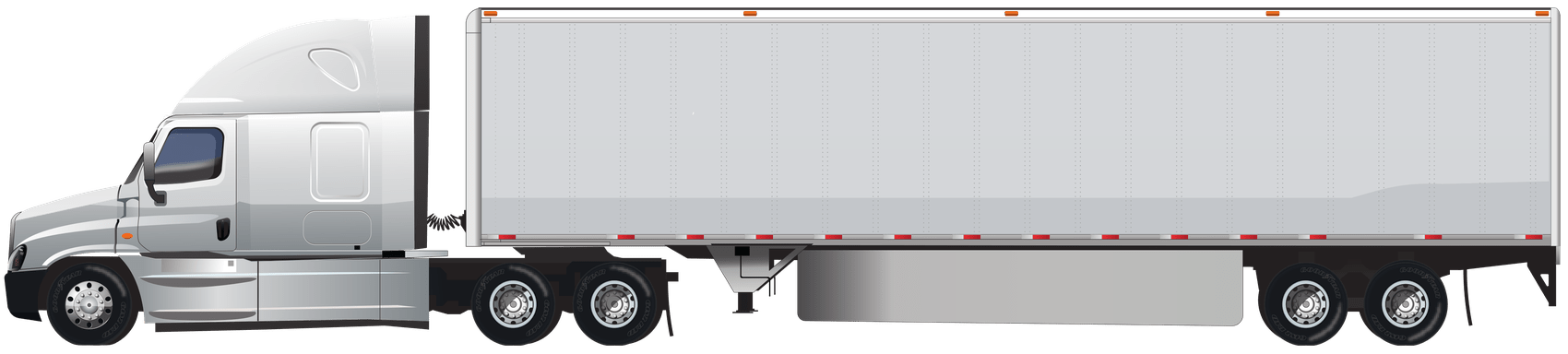
53 ft dry van4 / 6

53 ft dry van side view
53 ft42,000 lbs
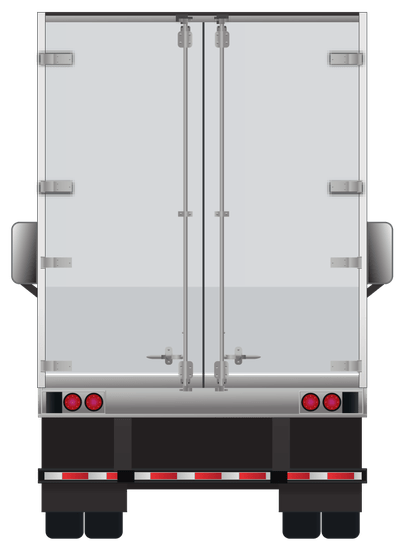
53 ft dry van rear view
99 inWide
102 inHigh
Cargo length53 ft
Payload42,000 lbs
Interior width99 in
Interior height102 in
Best for

Full loads, palletized goods, building materials

About 53 ft dry vans

A full enclosed trailer with two drivers taking turns, so it keeps moving on long runs. It suits full loads crossing many states. It holds up to 26 standard pallets on the floor.

worker-factory-welding
Honest fit

When late is not an option

A plant waiting on supply, a launch or a missed load. Flexible timing suits standard FTL.

When to use it The right call

When expedited truckload is the right call

A full expedited truckload costs more than a scheduled one but can save days. It is the right call when a large load simply cannot be late.

Typical cases include supply for a plant that will stop without it and product for a launch or a retail reset. Others are a load missed by its original carrier, or high-value freight that should not sit parked overnight. It also fits any deadline that spans many states and leaves no room for rest stops.

It is not always needed. If the timing is flexible, standard full truckload costs less. If the load is small, a van or straight truck is quicker. ExpeditedFreight.com helps you choose between them, and dispatches the truck that fits your load and deadline.

How it works

From the call to proof of delivery

An expedited truckload follows the same steps every time, from your first call to the signed delivery. Each step is confirmed with you as it happens.

  1. 01

    Call with load details

    Share the pickup and delivery addresses, weight, pallet count, equipment needs, ready time and delivery window.

    • Load details
    • Deadline
  2. 02

    Choose equipment and drivers

    Your expeditor picks the trailer and driver setup for the distance and window, then confirms the rate with you.

    • Rate confirmation
  3. 03

    Dispatch the truck

    The truck is dispatched to your dock, and you get the expected arrival time for loading.

  4. 04

    Load and seal

    The freight is loaded, counted on the bill of lading and sealed, and you get confirmation once the truck rolls.

    • Bill of lading
    • Seal
  5. 05

    Run non-stop with updates

    The truck runs straight to delivery with no terminal stops. ExpeditedFreight.com tracks it and sends updates along the way.

    • Live tracking
  6. 06

    Deliver and sign

    The receiver checks the seal and freight and signs, and you receive proof of delivery with the time.

    • Proof of delivery
Watch on YouTube
Why idle trailers matter to truckload
Episode 11 Oct 19, 2026 22 min

The $90,000 Trailer Sitting Idle: Todd Waldron on Trailer Sharing

Todd Waldron, Chief Commercial Officer at REPOWR, joins host Kevin Carpenter to break down the trailer sharing marketplace that has moved more than 60,000 trailers across 10,000+ carriers and 275 suppliers. A dry van now runs about $50,000 and a reefer up to $90,000, yet the average trailer spends 30 to 40 percent of its life empty or idle. REPOWR lets fleets relocate trailers by renting them out instead of paying a driver to go out of route, and gives carriers and shippers access to equipment right where they need it.

Kevin asks the expedite question: how fast can you actually reposition a trailer? Todd walks through short run pricing, the new loadaway product and a realistic five to seven day window. They also get into trailer tracking, fraud and the guardrails owners set over who hauls their equipment, when owning still beats renting, and how REPOWR's trailer optimization platform balances trailer pools automatically. Then Todd takes on the On Air Gauntlet, and pickles do not fare well.

Todd has 19 years in transportation, including CH Robinson, JB Hunt (where he helped build JB Hunt 360), CEO of Q Carriers, and VP of Carrier Experience at Truckstop.

Freight News
Truck capacity · Rates

Truck capacity stays tight as rates run well above last year

Fewer trucks are available than a year ago, which makes full trailers harder to find on short notice and raises the value of booking early.

Workers on a factory floor
At a glance · October 2026
21% to 27%
fewer trucks posted than a year ago
35%
van linehaul rate rise year over year

What is happening

According to AJOT, citing DAT Freight & Analytics data for mid-October, available trucks posted are 21% to 27% below a year ago, while loads posted are higher.

Source: AJOT (DAT Freight & Analytics data), October 19, 2026

Capacity remains the key factor in pricing.
Dean Croke, Industry analyst, DAT Freight & Analytics

Why it is happening

Capacity remains the main factor in pricing. Linehaul rates held steady and remain about a third above last year, while lower diesel prices trimmed all-in rates slightly.

What it means for you

With fewer trucks free, complete load details help get a trailer assigned sooner. We match your truckload to available equipment and confirm the plan quickly.

Expeditor Steve

“I had a single point of contact assigned to our shipment that was fantastic on keeping me updated every step of the way.”

Pamela · Trustpilot
HowWe Work

One Person, Start to Finish

When you call ExpeditedFreight.com, a real person answers and owns your truckload from the first call to the signed delivery. That expeditor picks the equipment, plans the driver setup and confirms the pickup. If the window moves or extra pallets show up, you tell the same person, who already knows the load.

  • One contact from call to delivery
  • Driver setup planned for the distance
  • Changes handled in one conversation
expeditor-kevin

“I called up at 7:30 pm... one that was secured cancelled at the end of the day. Todd quoted three shipments on the spot... The last shipment was picked up at Midnight.”

Susan · Trustpilot
WhatWe Provide

The Right Mode, Every Time

Expedited truckload gets your freight its own trailer, a 53 ft dry van or a flatbed, running non-stop to delivery. On long runs, two drivers take turns so the trailer keeps moving. When the load is lighter than a full trailer, we book a smaller truck, so you don't pay for space you won't use.

  • 53 ft dry van or flatbed
  • Two drivers on long runs
  • Smaller trucks for lighter loads
expeditor-andy

“True to word. They did exactly what they said they would do.”

Dan · Trustpilot
WhoWe Are

Honest With You, Always

A late truckload is stressful enough without wondering whether you have the full story. You see the rate before you commit and the arrival time as it actually stands. Every load is tracked 24/7, and if anything threatens the window, you hear it from us first, with a plan.

  • Rate confirmed before dispatch
  • Tracked 24/7, 365 days a year
  • Early warning on delays

Book an Expedited Truckload Today

Expedited Truckload Questions Answered

What does expedited mean in trucking?

In trucking, expedited means moving freight faster than the standard schedule by giving it a dedicated vehicle that runs directly from pickup to delivery. The truck is dispatched as soon as the freight is ready rather than on a set schedule, and it makes no terminal stops or extra pickups along the way. On long runs, two drivers may share the truck so it keeps moving. Expedited trucking covers vehicles from cargo vans to full 53 ft trailers and flatbeds. Shippers use it when a delay would cost more than the premium for faster service.

What is an expedited load?

An expedited load is a shipment that needs to move faster than normal, usually because a deadline is tight or a delay would be costly. It travels on a dedicated vehicle that goes straight from pickup to delivery, often booked on short notice. Common examples include parts for a stopped production line, product for a store launch, or a load that missed its original truck. Expedited loads can be any size, from a few boxes in a cargo van to a full trailer. The key features are a dedicated truck, direct routing and close tracking until delivery.

Can LTL shipments be expedited?

Yes. Many LTL carriers offer expedited or guaranteed service, which gives a shipment priority handling and a committed delivery date or time. The freight still shares a truck with other shipments and moves through terminals, so it is faster than standard LTL but not as fast as a dedicated vehicle. For truly urgent freight, many shippers skip LTL altogether and book an exclusive-use van or straight truck, which runs directly to the delivery. The right choice depends on how firm the deadline is and how much the shipper is willing to pay for speed.

Which is faster, express or expedited?

It depends on how the terms are used, since providers define them differently. Express usually refers to a premium tier on a shared parcel network, such as overnight delivery with set cutoffs. Expedited usually means a dedicated vehicle or booked flight planned around one shipment and its deadline. For pallets and full loads, expedited freight is typically faster, because the truck leaves as soon as the freight is ready and makes no terminal stops. For small boxes going a long way, an express parcel tier or a hand carry courier may be the quicker option.

What is time-definite delivery?

Time-definite delivery means a shipment is planned to arrive by a specific time or within a set window, rather than on an approximate day. It is common in expedited trucking and in supply chains that run to tight schedules, such as just-in-time manufacturing and retail store resets. Meeting a time-definite window usually requires a dedicated truck, careful planning of the route and driver hours, and close tracking. If something threatens the window, a good provider warns the shipper early and works out how to recover the time, for example by adding a second driver.

What is a two-driver team?

A two-driver team is two qualified drivers sharing one truck so it can keep moving almost around the clock. While one drives, the other rests in the sleeper berth, and they switch when the driver at the wheel reaches the legal driving limit. Because hours-of-service rules require a solo driver to stop for a long rest each day, a team can cover much more distance in the same time. Teams are common on long expedited truckloads, high-value freight and cross-country deadlines. On short regional runs, a single driver is usually enough.

What is the difference between expedited truckload and full truckload?

Both put one shipper's freight in a whole trailer that runs directly to the destination. The difference is in scheduling and speed. Standard full truckload is usually booked ahead for a scheduled pickup, with one driver who stops to rest each day, and delivery dates have some flexibility. Expedited truckload is dispatched as soon as the freight is ready, often uses two drivers on long runs, and is planned to a specific delivery window. Expedited costs more, so it is used when the deadline matters more than the price. Many shippers use both, depending on the load.

What are the four types of freight?

Freight is often grouped by how it ships. A common breakdown is less-than-truckload for a few pallets on a shared truck, full truckload for an entire trailer, intermodal for containers that move by rail and truck, and expedited for urgent shipments on dedicated vehicles or flights. Another approach groups freight by the goods themselves: general packaged freight, bulk freight, oversized or heavy freight, and specialized freight such as hazardous materials. Both help a shipper decide which equipment and service a shipment needs. A single shipper may use several types over a year, depending on volume and urgency.

What does freight delivery mean?

Freight delivery is the final stage of moving a freight shipment, when the goods reach the receiver and are handed over. It typically involves an appointment or delivery window, unloading at a dock or with a liftgate, counting the pieces against the bill of lading, inspecting for damage and signing a delivery receipt. The signed receipt becomes the proof of delivery. More broadly, freight delivery can refer to the whole service of transporting goods that are too large or heavy for parcel networks, such as pallets, crates and full truckloads.

What is cross-docking?

Cross-docking is a logistics practice where freight arriving at a facility is moved directly from inbound trucks to outbound trucks with little or no storage in between. It is used to consolidate or split shipments, for example combining freight from several suppliers onto one truck to a retailer. LTL networks rely heavily on cross-docking at their terminals. While efficient for shared freight, each cross-dock adds handling and time. Expedited truckloads avoid cross-docking entirely, because the freight stays on one trailer from pickup to delivery. That means less handling and a lower risk of damage or delay.

Get a quote

Get your full load moving non-stop today

Send the pickup, delivery and date. An expeditor will match the trailer and driver setup and confirm the plan with you.

5.0 from 1,600+ reviews on

Request a Quote

Step 1 of 3Origin and Destination Info

Chris did an excellent job of getting our freight expedited to avert a line down situation. We received frequent updates and the freight arrived ahead of the estimated arrival time.

Kent · Verified review on Trustpilot
CTA Hero Star Background
TOP