

Skip to content
5.0 rated on Trustpilot

Freight Rates

Freight rates are rising, and the right option for your load depends on how fast it has to arrive. ExpeditedFreight.com quotes the dedicated truck or flight that fits your deadline. One expeditor keeps the rate and the load on track.

What shippers get

Trucks Rolling After Midnight

“Bryan worked to expedite our automotive freight at midnight to have trucks on the road by 3am.” — James

Delivered Sooner Than Expected

“Freight was delivered sooner than expected.” — Bill

Ahead of the Estimated Arrival

“We received frequent updates and the freight arrived ahead of the estimated arrival time.” — Kent

Expeditor at his desk tracking a shipment
In short

Shipment plus market

A freight rate prices one load against today's trucks, fuel and demand.

Freight rates What they are

What a freight rate is

From a Sprinter van carrying parts across one state to a flatbed of steel crossing the country, a freight rate is the price to move a specific load between two points. It reflects the shipment itself: its size and weight, the equipment it needs and how soon it has to arrive. It also reflects the market on the day it is quoted, including how many trucks are available and what diesel costs.

That is why the same load can be quoted differently from one month to the next. Rates are not fixed price lists; they are a snapshot of the shipment and the market at one moment.

ExpeditedFreight.com quotes expedited ground first, with air when the road is too slow, across the US, Canada and Mexico. Our team gives you one expeditor who manages each load from quote to delivery.

Expeditor Kevin
Rate structure Freight rates

How a freight rate is built

When a carrier or broker prices a load, the rate usually has a few parts. The base transportation charge, often called linehaul, covers moving the freight from origin to destination. A fuel adjustment follows diesel prices, so it rises and falls with the fuel market. Charges for extra services cover anything the load needs beyond a standard pickup and delivery.

The shipment shapes each part. Distance and equipment drive the base charge, the truck's fuel use drives the fuel part, and the sites and handling decide whether extra services apply. As with most expedited freight, distance, weight, the type of truck and how soon you need it all affect the cost.

We support your budget with a clear quote for the whole move. It's also why ExpeditedFreight.com asks about your sites up front, so the quote reflects the real load.

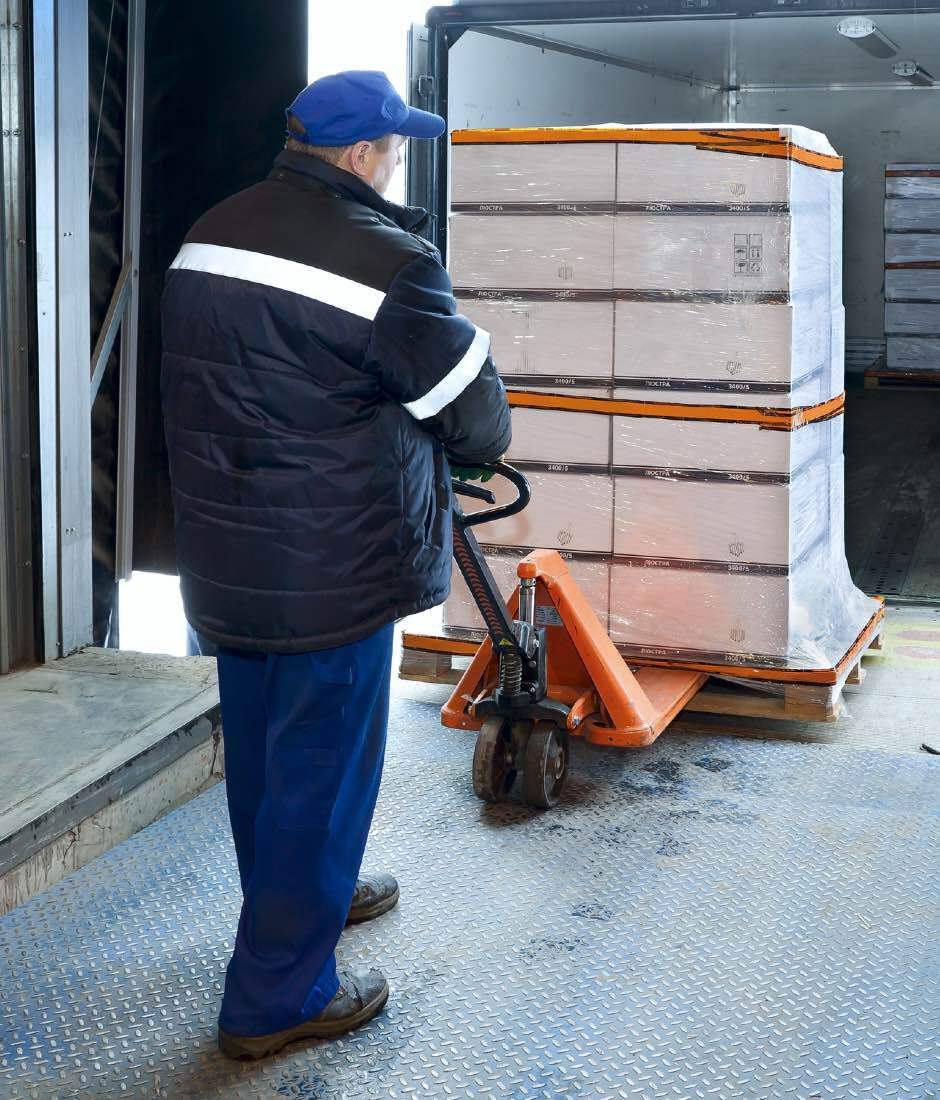
Worker loading a truck
Rule of thumb

Pay for the speed you need

The slowest option that still makes the deadline is usually the best rate.

Speed and cost Freight rates

What speed costs

A standard 53 ft dry van is usually the baseline cost for a full load, larger than any expedited van but slower when the date is tight. A dedicated expedited truck runs the load direct with no other stops, which costs more but arrives sooner.

For partial urgent loads, hot shots and straight trucks often cost less than a full trailer sent for a few pallets. Sprinter vans move small freight quickly at a lower cost than larger trucks. Air freight and air charter cost the most, and air rates follow chargeable weight.

We match the speed to the deadline you actually have. ExpeditedFreight.com quotes the slowest option that still makes your date, so you only pay for the speed the load needs.

Cost direction

Freight options ranked by cost

This ranking orders common options for an urgent domestic load from the lowest cost direction to the highest. ExpeditedFreight.com books each one; re-sort by cost, speed or load.

Sort by
  1. Lowest cost for full loads

    53 ft dry van

    The standard enclosed trailer for full loads, run by one driver. It sets the baseline for what freight costs when the date allows.

    GoodLowest cost per pallet WatchSlowest of the six
    $$$$$
    relative cost
    Standard
    speed
    ~42,000 lbs
    max load
  2. Best value for open-deck freight

    Full flatbed

    An open trailer for machinery and materials. It costs a little more than a van because of securing and handling.

    GoodHighest payload WatchSecuring adds time
    $$$$$
    relative cost
    Standard
    speed
    ~48,000 lbs
    max load
  3. Best for mid-size urgent loads

    Straight truck

    A dedicated single-unit truck, often with a liftgate. It moves a few pallets direct without paying for a full trailer.

    GoodRight-sized for partials WatchLimited space
    $$$$$
    relative cost
    Fast
    speed
    ~9,000 lbs
    max load
  4. Best for small urgent freight

    Sprinter van

    A cargo van dispatched for one shipment of boxes or a pallet or two. It is quick and costs less than larger dedicated trucks.

    GoodFast, economical for small loads WatchSmallest capacity
    $$$$$
    relative cost
    Fast
    speed
    ~3,000 lbs
    max load
  5. Best for heavy urgent partials

    Hot shot

    A pickup with a flatbed or gooseneck trailer sent for one load. It moves heavy equipment quickly without a full flatbed.

    GoodFast for heavy freight WatchLower limit than a semi
    $$$$$
    relative cost
    Fast
    speed
    ~16,000 lbs
    max load
  6. Fastest over long distances

    Air freight

    The freight flies on the next suitable flight, with trucks at both ends. It costs the most and is priced on chargeable weight.

    GoodFastest across the country WatchHighest cost, size limits
    $$$$$
    relative cost
    Fastest
    speed
    Aircraft limits
    max load
5.0 from 1,600+ reviews on

Need a rate for an urgent load? Get an expedited quote.

Share the pickup, delivery and freight details. Your expeditor quotes the option that fits your deadline and books it as soon as you approve.

  • Freight Services account rep (Steve) is always easy to work with and able to meet our timeline. The driver was courteous, punctual and assisted with the load. There will be more requests in the future.

    Evm
  • We had freight stuck in Des Monies, IA and Todd Anderson did amazing job getting this to Stacy, MI for us in one day. The communication was great giving me every couple of hours update to ETA delivery.

    Tina

Request a Quote

Step 1 of 3Origin and Destination Info

Expeditors Steve and Todd
Market signals Freight rates

Reading the freight market

Freight market analysts usually watch the same few signals, including tender rejections, diesel prices and the gap between spot and contract rates. This means a shipper can see where rates are heading whenever a quote looks high or low.

Tender rejections show how often carriers turn down contract loads; when they rise, trucks are scarce and spot rates climb. Diesel feeds straight into fuel adjustments. When spot rates rise above contract rates, contracts tend to reset higher at the next bid. Freight volumes show whether demand or a lack of trucks is driving the change. Right now, rates are rising mainly because capacity has left the market.

Our dispatch team is available around the clock, including weekends and holidays, to quote against today's market. ExpeditedFreight.com explains what is moving your rate to make sure the quote makes sense.

Freight News
Truckload rates

Truckload rates reset sharply higher this fall

Spot and contract truckload rates both rose through October, and analysts expect more increases before the market peaks.

Truck driving on the open road
At a glance · November 2026
41%
rise in spot truckload rates year over year
10% to 12%
higher reset in contract rates

What is happening

According to FreightWaves, spot truckload rates rose 41% year over year through October, while contract rates reset 10% to 12% higher.

Source: FreightWaves, November 3, 2026

Why it is happening

Diesel prices have climbed faster than all-in spot rates for about six months, squeezing the carriers that rely on spot freight.

What it means for you

Expect rates to keep moving. ExpeditedFreight.com quotes the right-sized truck so you do not pay for more than the load needs.

Costs behind rates

Freight costs by the numbers

$3.660

US average retail diesel price per gallon in 20251

What it means for you

Diesel is one of the biggest costs in every truck rate, and fuel adjustments follow it closely. When diesel moves, quotes move with it, which is why ExpeditedFreight.com quotes against today's market and books promptly once you approve.

44.2%

truck driver turnover rate in 2025, down from 48%2

Carriers replace drivers constantly, which tightens truck supply and pushes rates up when demand holds.

$3.13 per kg

average global air cargo spot rate in August 2026, up 24%3

Air cargo spot rates rose sharply this year, so the gap between a truck and a flight matters more.

39.3%

of truck stops involved driver detention in 20234

Waiting at docks costs carriers time, and loads that move quickly are easier to price and cover.

Rate to delivery

From rate request to booked load

Every load ExpeditedFreight.com quotes follows six steps, from the first details to an invoice that matches the rate you approved.

  1. 01

    Share load details

    Send the commodity, weight, pieces, dimensions, addresses, site details and dates. Complete details let your expeditor quote the right option at a rate that holds.

    • Weight and size
    • Site details
  2. 02

    Compare options and rates

    Your expeditor quotes the option that fits the deadline, with faster or slower alternatives when they make sense, so you can weigh speed against cost.

    • Options
  3. 03

    Approve and book

    Approve the rate, and the truck or flight is booked right away. Booking promptly matters, because spot quotes follow a market that can change quickly.

    • Approval
  4. 04

    Dispatch the truck

    A dedicated truck is dispatched for your load, or the flight is confirmed. You receive the driver or flight details and the pickup time.

    • Dedicated truck
  5. 05

    Track the load

    The load runs direct to delivery. Your expeditor sends updates along the way and tells you right away about any change that could affect the plan.

    • Updates
  6. 06

    Invoice to match

    The receiver signs for the freight, and you receive proof of delivery. The invoice matches the approved rate when the load ran as quoted.

    • Proof of delivery
Working with us

How ExpeditedFreight.com quotes your freight

A good rate comes from one person who knows your load, quotes the right mode and tells you the truth.

Expeditor Steve

“I had a single point of contact assigned to our shipment that was fantastic on keeping me updated every step of the way.”

Pamela · Trustpilot
HowWe Work

One Person, Start to Finish

When you call ExpeditedFreight.com, you reach a real person right away, and that same person owns your load from the first quote to final delivery. You never have to explain the shipment twice.

Your expeditor quotes the load, books it and sends updates at pickup and delivery.

  • A direct number for your expeditor
  • Updates at pickup and delivery
  • The same person on your next load
Expeditor Chris at the airport

“I called up at 7:30 pm... one that was secured cancelled at the end of the day. Todd quoted three shipments on the spot... The last shipment was picked up at Midnight.”

Susan · Trustpilot
WhatWe Provide

The Right Mode, Every Time

Every load is different, and the right option is the one that actually fits. We arrange Sprinter vans, straight trucks, hot shots, 53 ft dry vans, flatbeds and air freight, and match your load to the mode and speed it needs.

That means you never pay for speed or capacity you do not need.

  • Each mode priced against your deadline
  • Smaller trucks when a trailer is too much
  • Air only when the road is too slow
The expediting team at the airport

“True to word. They did exactly what they said they would do.”

Dan · Trustpilot
WhoWe Are

Honest With You, Always

Rising rates are stressful enough without wondering whether you have the full story. We give you the price before you commit, the timeline as it actually stands, and if something goes wrong, you hear it from us first.

That includes telling you when a slower option will still make your date.

  • Clear all-in quotes before you commit
  • Real updates, including the bad news
  • We tell you when a truck beats a flight

Freight Rate Questions Answered

What is a freight rate?

A freight rate is the price charged to move a shipment from one place to another. It depends on the shipment, including its weight, size and the type of equipment needed, on the distance and the lane, and on timing, such as how soon the freight must move. It also depends on market conditions, especially how much truck or aircraft capacity is available and what fuel costs. Freight rates can be quoted for a single load or agreed for a period on regular lanes. Because the market changes, the same shipment can be priced differently from month to month.

What is a spot rate?

A spot rate is the price for moving a single shipment at current market conditions, without a long-term agreement. It reflects supply and demand on the lane at that moment, so it rises when trucks are scarce and falls when there is spare capacity. Spot rates are common for urgent loads, irregular lanes and freight outside a shipper's contracts. Because they follow the market, spot quotes are usually valid for a short time. Spot rate trends are closely watched by shippers and carriers as an early sign of where contract rates will go next.

What is a contract rate?

A contract rate is a price agreed in advance for moving freight on specific lanes over a set period, often a year. Shippers usually set contract rates through a bid process with carriers or brokers. Contract rates give more predictable costs for regular freight, but they do not guarantee a truck will accept every load, especially when the market tightens and carriers prefer higher-paying spot freight. When spot rates rise well above contract rates, contracts are often renegotiated at the next bid. Most shippers use contract rates for steady lanes and spot rates for everything else.

What is an all-in rate?

An all-in rate is a single price that combines the base transportation charge, the fuel adjustment and any agreed extra services into one number. It makes quotes easier to compare and simplifies budgeting, because the shipper sees one total instead of several parts. All-in rates are common for spot and expedited quotes. When comparing all-in rates from different providers, it is important to check that each includes the same services and assumptions, such as the equipment, the pickup window and any site requirements, so the comparison is fair.

What is linehaul?

Linehaul is the main part of a freight move: transporting the shipment between the origin and destination, as distinct from local pickup, delivery or extra services. In pricing, the linehaul charge is the base rate for the move, usually tied to distance and equipment, before fuel and other items are added. Market indexes often report linehaul rates separately from fuel because the two change for different reasons. For shippers, linehaul is typically the largest part of a truckload rate and the part most affected by truck capacity on the lane.

What is a fuel adjustment?

A fuel adjustment is the part of a freight rate that rises and falls with fuel prices. Carriers and brokers often link it to a published diesel price index, with a baseline price built into the base rate. When diesel climbs above the baseline, the fuel adjustment increases, and when it falls, the adjustment decreases. This approach keeps base rates more stable while protecting carriers from sudden fuel spikes. Some quotes show the fuel adjustment as a separate figure, while all-in quotes include it in one total. Shippers should know which method a quote uses.

What is a tender rejection?

A tender rejection happens when a carrier declines a load that a shipper offers under an existing contract. The tender rejection rate, the share of contract loads turned down, is a widely watched sign of truck capacity. When rejections rise, carriers have better-paying options or fewer trucks, so shippers turn to the spot market and spot rates climb. When rejections fall, capacity is loose and rates tend to soften. Shippers can use tender rejection trends to judge whether to book early, expect higher spot quotes or revisit contract rates.

What is chargeable weight?

Chargeable weight is the weight used to price an air shipment. It is the greater of the actual weight and the volume weight, which is calculated from the shipment's dimensions using a standard divisor. Airlines use it because light, bulky freight takes up space that could carry heavier cargo. A compact, dense shipment is charged on its actual weight, while a large, light one is charged on its size. Accurate measurements and compact packaging help keep chargeable weight down. Trucking rates use distance and equipment instead, so the same freight can compare very differently by mode.

What is the spot-contract spread?

The spot-contract spread is the difference between current spot rates and contract rates on the same lanes. When spot rates sit below contract rates, the market is loose and shippers have leverage at the next bid. When spot rates rise above contract rates, carriers prefer spot freight, tender rejections increase and contract rates tend to reset higher. Watching the spread helps shippers anticipate cost changes before their contracts come up for renewal. It also helps judge whether a spot quote is reasonable compared with what contract freight is paying at the time.

What is a freight index?

A freight index is a published measure that tracks freight rates, volumes or costs over time. Some indexes follow spot or contract truckload rates by equipment type, others track shipment counts and spending, and others follow air or ocean rates on major lanes. Shippers use freight indexes to understand market direction, benchmark the quotes they receive and plan budgets. An index shows broad trends rather than the price of a specific load, because each shipment's rate also depends on its size, lane, timing and service requirements. Reading several indexes together gives a clearer picture.

Get a quote

Need a rate you can plan around? Get your expedited quote

Enter your pickup, delivery and date. Your expeditor quotes the option that fits and books it once you approve.

5.0 from 1,600+ reviews on

Request a Quote

Step 1 of 3Origin and Destination Info

Todd was extremely helpful from the moment we connected on the phone. We had a freight emergency and everything was taken care of within minutes. Todd provided tracking emails up until our freight was delivered. Thanks!

Dan · Verified review on Trustpilot
CTA Hero Star Background
TOP