Expedited Freight Shipping Modes We Coordinate
Freight Shipping Built for Time-Critical Cargo
Expedited freight shipping is a category of logistics services designed for cargo that cannot tolerate standard transit windows. Whether the problem is a manufacturing line shutdown, a missed commercial flight, or a last-minute industrial parts order, the solution requires direct routing, priority access, and a team that moves immediately.
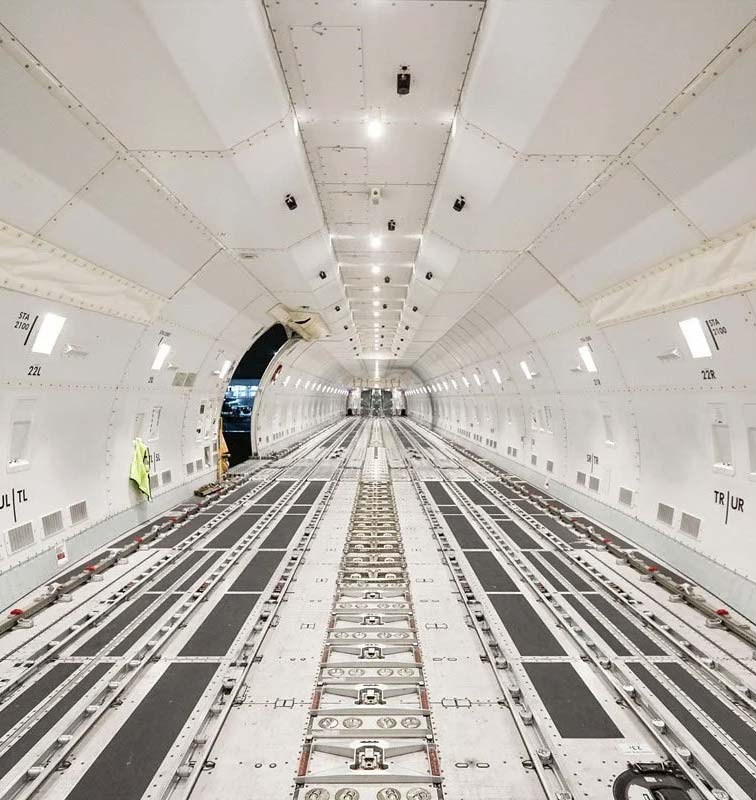
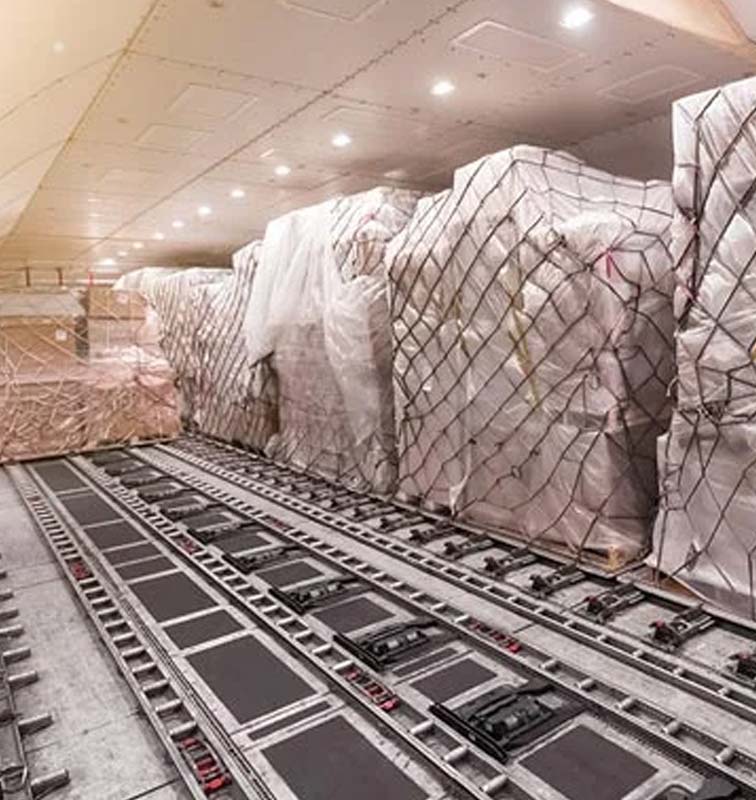
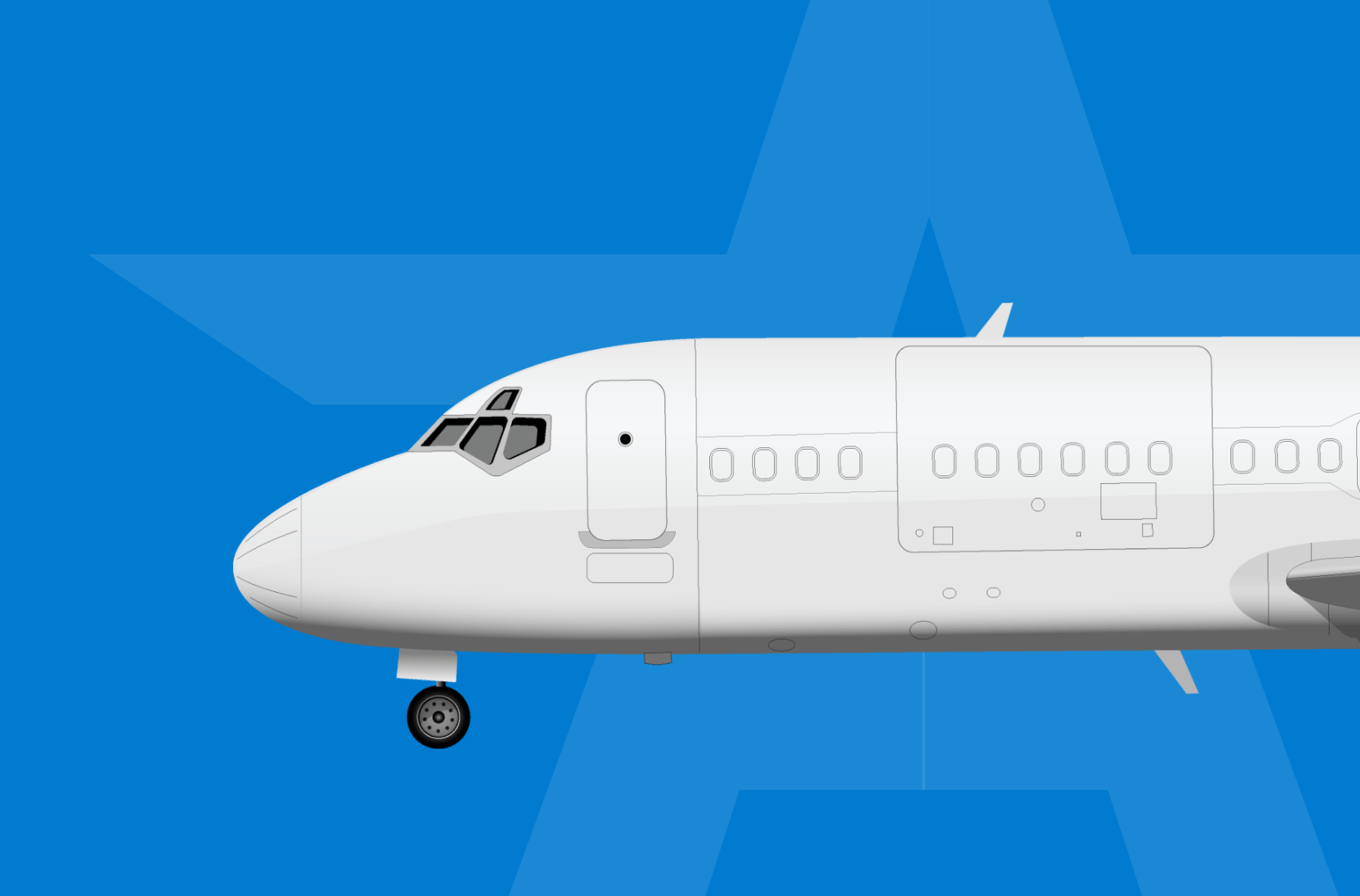
ExpeditedFreight.com connects shippers with a broad network of express carriers, air operators, and dedicated ground fleets. The platform covers air freight, charter flights, hot shot delivery, same day service, and overnight ground runs under one coordinated operation.
Every shipment is assigned a specialist who manages the load from pickup to drop-off. No handoffs to unknown third parties, no waiting for consolidated runs. Your cargo moves when you need it to move.
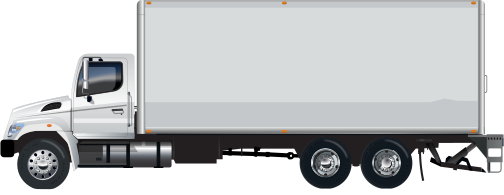
Freight shipping encompasses every mode and service tier, from overnight ground runs to same day air, and the right provider must be capable across all of them. ExpeditedFreight.com is structured to match each load to the fastest available option, whether that means a dedicated sprinter van for a local critical move or a direct air charter for a coast-to-coast emergency. The goal is always the same: cargo delivered on time, with full accountability at every step.
Freight shipping encompasses every mode and market segment where speed and reliability are non-negotiable. From regional hot shot runs to coast-to-coast overnight ground moves and emergency air charters, ExpeditedFreight.com coordinates the full spectrum of express transportation options under one accountable team. Shippers gain access to dedicated capacity across van, truck, and air without managing multiple vendors or losing visibility between handoffs.