
Skip to content
5.0 rated on Trustpilot

Ground Expedite

Some freight has to be at the plant tomorrow, and it is too big or too restricted to fly. Ground expedite puts it on its own truck, running straight to your dock. ExpeditedFreight.com dispatches that truck, from a cargo van to a 53 ft trailer, with air when the road cannot make it.

What shippers say

Parts Moved Here Quickly

“Chris was very attentive to our needs in getting the part here quickly.” — Linda

Trucks Rolling Within Hours

“Bryan worked to expedite our automotive freight at midnight to have trucks on the road by 3am.” — James

Ready for Last-Minute Orders

“Our company has had several last minute expedite orders over the last few weeks.” — Aaron

GROUND EXPEDITE

Ground Expedite for Freight That Cannot Fly or Wait

Some urgent freight is too big, too heavy or too restricted to put on a plane, and it still has to be at the plant tomorrow. Long pieces, full pallets of product, machinery and many hazardous materials fall here. On the ground, the fastest option is a truck that carries nothing else.

ExpeditedFreight.com dispatches that truck, sized to the load, for manufacturers, distributors, hospitals and contractors across the US, Canada and Mexico. It runs straight from your dock to the receiver, and when the road cannot make the deadline, we arrange air instead.

Ground expedite works best when the vehicle matches the freight. A cargo van can leave sooner than a large truck, but it cannot take a heavy machine. We size the truck from the weight, dimensions and delivery site, and confirm the plan with you before the driver is dispatched.

The three trucks below handle most ground expedite loads. The page then explains what ground expedite means and how it compares with expedited LTL and truckload.

A FEW CARTONS OR PALLETS sprinter-vans

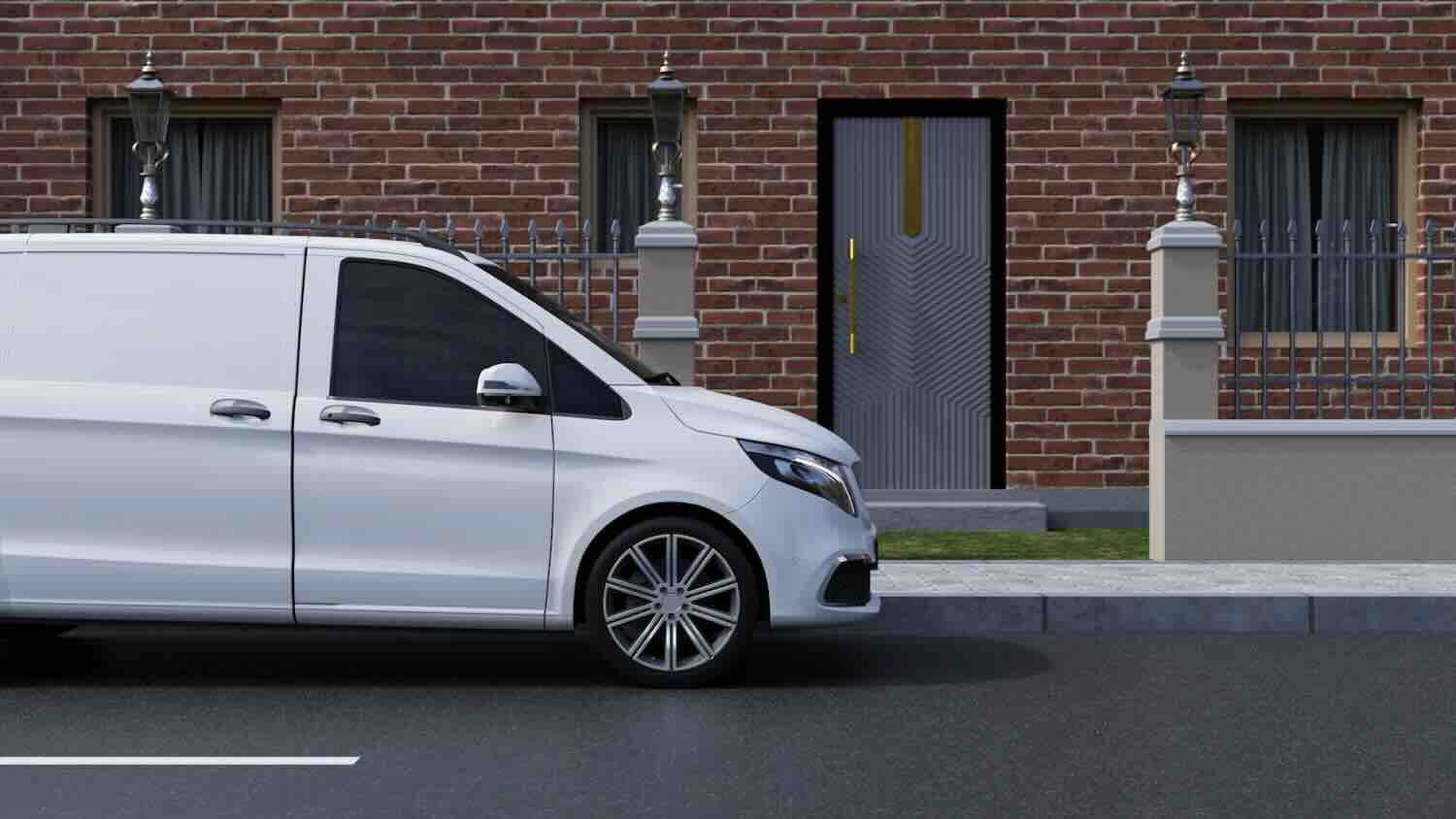
Sprinter Vans

A cargo van carries up to 3,000 lbs and is usually the first vehicle on the road. It runs point to point with no transfers. It suits small, urgent loads going across the region or across the country.

Sprinter Van Services about A few cartons or pallets
BIGGER ENCLOSED LOADS large-straight-trucks

Large Straight Trucks

A 22 to 26 ft straight truck carries up to about 9,000 lbs, with a liftgate for sites without a dock. It fits larger loads that still need cover. It can deliver straight to stores, plants and job sites without a dock.

Straight Truck Services about Bigger enclosed loads
MACHINERY AND LONG PIECES hot-shot-truck

Hot Shot Trucks

A hot shot pickup with a flatbed trailer carries up to about 16,000 lbs. It moves equipment that is too big or heavy to fly. It can be dispatched faster than a full-size flatbed for many urgent equipment moves.

Hot Shot Services about Machinery and long pieces
worker-factory-welding
In one line

One truck, one shipment

Ground expedite gives your freight its own vehicle, driving straight from pickup to delivery.

Ground expedite What it is

What ground expedite means

Ground expedite skips the terminals, the sorting and the wait for the next scheduled truck. The freight rides an exclusive-use vehicle point to point, from pickup straight to the delivery address.

The freight moves faster than the standard schedule because it has a vehicle to itself. There is no co-mingling and no stop at a hub. Ground expedite is the road version, as opposed to air expedite on a flight.

The vehicle is sized to the load. It can be a cargo van for a few cartons, a straight truck, a hot shot or a 53 ft trailer.
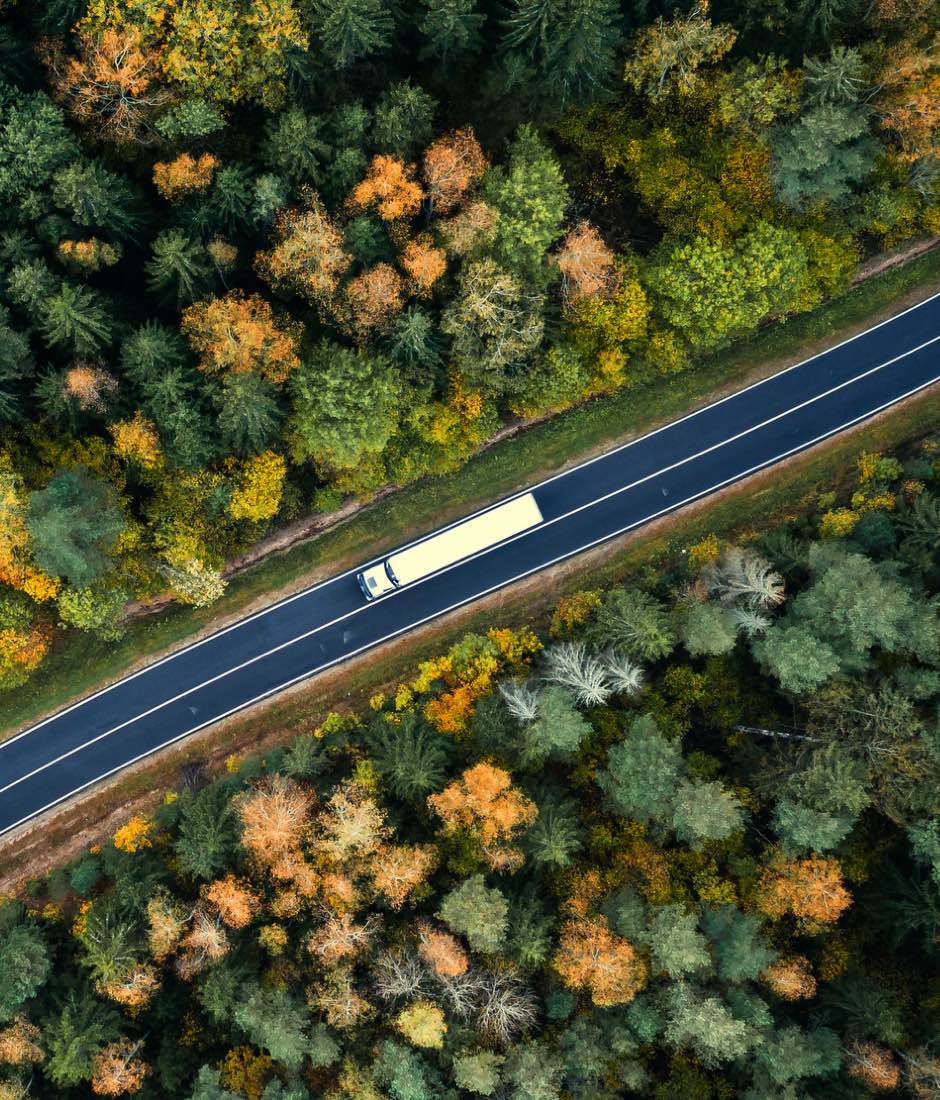

Aerial view of a truck driving on the road
Quick guide

Three ways to move faster

Expedited LTL, full truckload or exclusive use. Only exclusive use skips both terminals and the wait.

Your options How it compares

Exclusive use, expedited LTL or truckload

Freight carriers usually offer more than one way to move freight faster, including expedited LTL and scheduled full truckload. This means shippers have three real options when standard service is too slow.

Expedited LTL gives a shared truck priority handling, but the freight still moves through terminals with other shipments. A standard full truckload carries a whole trailer direct, though pickup follows the carrier's schedule and suits full loads. Exclusive-use ground expedite puts a vehicle sized to your freight on the road when you book it, and it runs straight to the delivery.

For a few pallets that cannot wait, only the exclusive-use truck removes both the terminals and the wait. We match your shipment to the right option and dispatch the truck when your freight is ready.

construction-workers-roof
Quick test

What does late cost?

If a delay costs more than the faster truck, ground expedite usually pays for itself.

When to use it The right call

When ground expedite is the right call

When standard LTL or a scheduled truck isn't the right fit for your shipment, ground expedite might be the answer. The usual reason is a deadline that costs real money if it slips.

A production line waiting on one gearbox is the classic case. So is a retailer short of stock before a launch, or a hospital waiting on equipment for a procedure. Ground expedite also suits freight that cannot fly, such as an oversized crate or restricted material, and freight that missed its LTL pickup. In each case, a truck sent straight to the delivery recovers the time.

It is not always needed. If the freight can arrive a few days later without consequence, standard service costs less. We help you decide which one fits, and when it is ground expedite, we dispatch a truck that carries only your freight.

Trucks and trailers

The right truck for your freight

Hot shot truck5 / 6

Hot shot truck side view
32–40 ft42,000 lbs
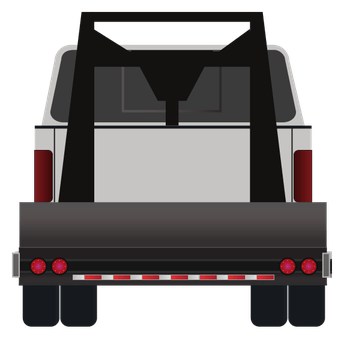
Hot shot truck rear view
102 inWide
120 inHigh
Deck length32–40 ft
Payload42,000 lbs
Deck width102 in
Load height120 in
Best for

Construction, oilfield and farm equipment, machinery

About hot shot trucks

A hot shot pairs a heavy-duty pickup with a gooseneck flatbed trailer. It is the fast choice for equipment and machinery that need an open deck but not a full semi. Ramps at the back let rolling equipment drive straight on.

Price a hot shot truck

Send the pickup, delivery and weight, and we'll match the truck to your load.

Talk to dispatch(800) 604-2511 Get a hot shot quote
Ground expedite vehicles

Ground expedite vehicles, van to trailer

Ranked from the smallest vehicle to the largest, each running one shipment point to point. ExpeditedFreight.com sizes the truck to your freight, and you can re-sort by load or deck length.

Sort by
  1. Best for small urgent parts

    Sprinter Vans

    An enclosed cargo van for a few pallets or cartons. It is usually the quickest vehicle to dispatch for an urgent ground run.

    GoodFast to dispatch, lowest vehicle cost WatchLimited weight and floor space
    ~3,000 lbs
    max load
    8-12 ft
    cargo length
    Parts, cartons
    typical freight
  2. Best for partial loads

    Box Trucks

    An enclosed truck with room for several pallets. It suits urgent shipments too big for a van.

    GoodEnclosed, more floor space WatchCheck dock height or liftgate
    ~5,000 lbs
    max load
    12-16 ft
    cargo length
    Pallets, cartons
    typical freight
  3. Best for heavier pallets

    Large Straight Trucks

    A larger enclosed truck, often with a liftgate, for heavier pallet loads. It handles sites with or without a loading dock.

    GoodLiftgate options for no-dock sites WatchToo small for a full trailer load
    ~9,000 lbs
    max load
    22-26 ft
    cargo length
    Heavier pallets
    typical freight
  4. Best for heavy open-deck items

    Hot Shot Trucking

    A heavy pickup with a gooseneck or flatbed trailer. It carries machinery and parts that load from the side or by crane.

    GoodOpen deck for awkward heavy freight WatchNo enclosure for weather-sensitive freight
    ~16,000 lbs
    max load
    Up to ~40 ft
    cargo length
    Machinery, parts
    typical freight
  5. Best for full urgent loads

    53 Ft. Dry Vans

    A full-size enclosed trailer for a complete load. It suits long expedited runs and cross-border moves.

    GoodLargest enclosed capacity WatchNeeds a dock to load
    ~42,000 lbs
    max load
    53 ft
    cargo length
    Full pallet loads
    typical freight
  6. Best for steel and machinery

    Flatbed Trucking

    A full-length open trailer for the heaviest and largest pieces. Loads are strapped or chained and tarped when needed.

    GoodCarries the largest, heaviest freight WatchSecurement adds loading time
    ~48,000 lbs
    max load
    48-53 ft
    cargo length
    Steel, machinery
    typical freight
5.0 from 1,600+ reviews on

Freight that cannot wait? Get your ground expedite quote.

Send your pickup, delivery, weight, size and deadline. Your expeditor matches the truck, confirms the pickup time and keeps you updated until your freight is signed for.

  • Reached out for a quote and received a response within 5 minutes from Chris Noe. Quick with responses and driver updates.

    Ryan
  • Worked with Todd and he made it happen. Called at 9:30am for a hotshot from Dallas to Waller TX. It was offloaded at 4:30pm. Great job!

    Kollin

Request a Quote

Step 1 of 3Origin and Destination Info

Ground freight by the numbers

Ground freight by the numbers

73%

of US freight value moved by truck in 20241

What it means for you

Most of the value of US freight already moves by truck, so ground is the natural first choice when a shipment needs to move faster. A dedicated expedited truck simply takes the same road without the terminals, and we can dispatch one sized to your load.

11 hours

maximum driving time per shift for a solo truck driver2

This federal limit on a solo driver's shift is why long ground expedite runs often use a two-driver team.

$2.336

average cost per mile to operate a truck in 20253

Running a truck costs more than ever, which shapes the price of any dedicated ground run.

54.8 million tons

of freight worth $68.4 billion moved across the US every day4

The sheer volume of freight on the road every day is why shared networks run on fixed schedules.

Airplane in flight
Rule of thumb

Distance decides, freight confirms

Air wins on long distances only when the freight fits and is allowed on a plane.

Ground or air Choosing the mode

Ground or air: how to choose

When the deadline counts but the freight is large, heavy or restricted, ground expedite is an excellent option for most runs. A truck runs door to door, with no airport cutoffs, handling or size limits. On many regional distances, it reaches the dock sooner than a flight would once both ends are counted.

Air wins when the distance is too far for even a two-driver team to make the deadline, and the freight fits an aircraft. The shipment goes on the next flight out, with a truck at each end. Some freight cannot fly at all. Many hazardous materials and lithium batteries are restricted on aircraft, and oversized or very heavy pieces may not fit through a cargo door.

ExpeditedFreight.com weighs both options for every urgent shipment and books the one that makes your deadline.

worker-factory
Have ready

ZIPs, size, weight, deadline

These four details let us match the right truck to your freight on the first call.

Getting a quote What to send

What to send for a ground expedite quote

No matter how urgent or unusual your shipment is, we're here to get the right truck moving quickly. The fastest quotes start with a complete description of the load.

That means the pickup and delivery ZIP codes, the weight and dimensions of each piece, and the pallet count. Add the ready time, the deadline and whether each end has a dock or needs a liftgate. Mention anything special, such as high-value or restricted freight. As with most expedited freight, distance, the truck type, the weight and how soon you need it all affect the cost.

ExpeditedFreight.com uses those details to match the vehicle and driver setup to your run. Your shipment then stays with one expeditor from the first call to the signed delivery.

How it works

From the first call to proof of delivery

A ground expedite load follows the same steps every time, from your first call to the signed delivery. Each step is confirmed with you as it happens.

  1. 01

    Call with the load details

    Share the pickup and delivery addresses, weight, dimensions, pallet count, ready time and deadline, so the right truck can be matched.

    • Weight and size
    • Deadline
  2. 02

    Match truck and confirm rate

    Your expeditor picks a vehicle and driver setup for the run, then confirms the rate with you before dispatch.

    • Rate confirmation
  3. 03

    Dispatch and arrival time

    An exclusive-use truck is dispatched to your pickup, and you get the expected arrival time at your dock.

  4. 04

    Load and confirm pickup

    The freight is loaded, secured and counted on the bill of lading. You get confirmation once the truck rolls.

    • Bill of lading
  5. 05

    Run direct with updates

    The truck drives straight to the delivery with no terminal stops. ExpeditedFreight.com tracks it and sends you updates along the way.

    • Live tracking
  6. 06

    Deliver and sign

    The receiver checks the freight and signs, and you get proof of delivery with the time and the signer's name.

    • Proof of delivery
Watch on YouTube
Lessons from an expedited trucking founder
Episode 4 Jul 13, 2026 31 min

Inside the Mind of a Freight Leader: John Elliott (Founder of Load One)

In this episode of On Air with Airfreight.com, host Kevin Carpenter sits down with John Elliott, founder and executive chairman of Load One, to talk about building one of the country’s leading expedited freight carriers and what it takes to stay competitive in a fast-changing industry.

John walks through his unusual path into trucking, starting with a family legacy in transportation, a college degree in aviation management, and an early career that eventually brought him back to freight. He shares how Load One began as a regional truckload carrier before a series of decisions — including one persistent employee bringing him an expedite opportunity — pushed the company into the expedited freight space.

Freight News
Trucking · Capacity and costs

Truckload rates rise as trucks leave the market

Trucking capacity is shrinking while operating costs hit a record, which makes early booking matter for any expedited ground load.

workers-factory-floor
At a glance · October 2026
$2.336
average cost per mile to run a truck
3.4%
rise in truck operating cost from 2024

What is happening

According to FreightWaves, truckload rates are rising in 2026 because trucks are leaving the market, not because freight demand is booming.

Source: FreightWaves, October 9, 2026

Why it is happening

Carriers spent three years hauling at rates that barely covered their costs. Operating a truck now costs a record amount, according to ATRI research.

What it means for you

Fewer trucks means available ones fill faster. Sending complete load details early helps us get an exclusive-use truck assigned to your freight sooner.

Expeditor Steve

“I had a single point of contact assigned to our shipment that was fantastic on keeping me updated every step of the way.”

Pamela · Trustpilot
HowWe Work

One Person, Start to Finish

When you call ExpeditedFreight.com, a real person answers and owns your ground expedite from the first call to the signed delivery. That expeditor matches the truck, plans the driver setup for the distance and confirms the pickup with you. If the ready time or the dock contact changes, you tell the same person.

  • One contact from call to delivery
  • Driver setup planned for the distance
  • Changes handled by the same person
Expeditors Steve and Todd

“I called up at 7:30 pm... one that was secured cancelled at the end of the day. Todd quoted three shipments on the spot... The last shipment was picked up at Midnight.”

Susan · Trustpilot
WhatWe Provide

The Right Mode, Every Time

Ground expedite means an exclusive-use truck sized to your freight, from a cargo van to a 53 ft trailer or a flatbed. Nothing else is loaded with it, and it runs straight from pickup to delivery, with two drivers on long runs. When the road can't make the deadline, we switch to the next flight or a hand carry.

  • Exclusive-use truck sized to the freight
  • Two drivers on long runs
  • Air backup when the road is too slow
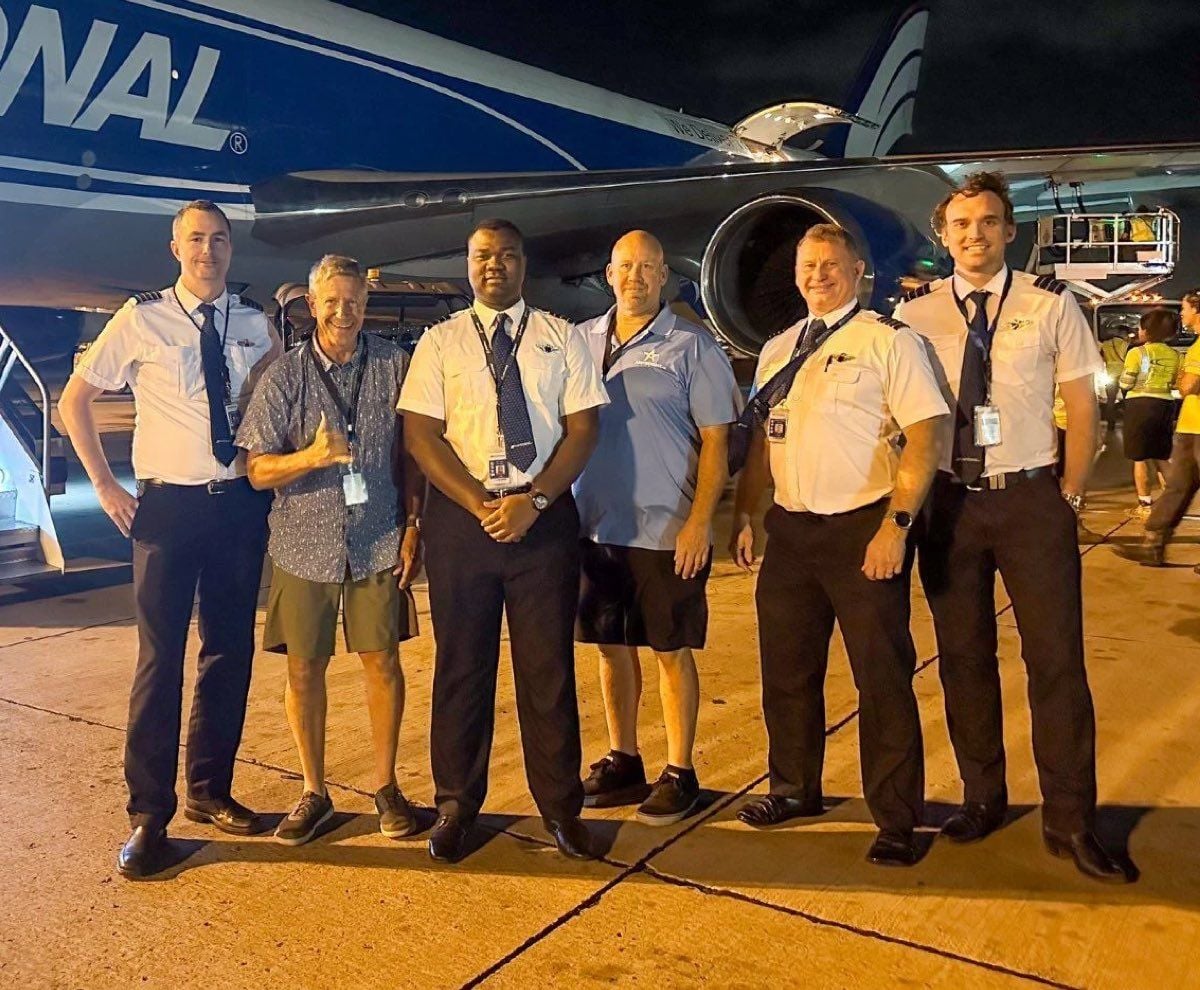
The expediting team at the airport

“True to word. They did exactly what they said they would do.”

Dan · Trustpilot
WhoWe Are

Honest With You, Always

An urgent load is stressful enough without wondering whether you have the full story. You see the rate before you commit and the arrival time as it actually stands. Every load is tracked 24/7, and if the truck is held up, you hear it from us first, with a plan. If a standard truckload makes the date, we tell you.

  • Rate confirmed before dispatch
  • Tracked 24/7, 365 days a year
  • We say so when you don't need to expedite

Ground Expedite Questions Answered

What is expedite in trucking?

In trucking, to expedite a load means moving it faster than the standard schedule by giving it a vehicle of its own. Instead of joining a shared truck that stops at terminals, the freight goes on an exclusive-use van or truck that drives straight from pickup to delivery. The vehicle is dispatched when the shipper books it, often within hours, and runs to the shipper's deadline. Expedited trucking covers vehicles from cargo vans to full 53 ft trailers and flatbeds. It is used for production parts, medical supplies, retail stock and any freight where a delay costs more than the faster service. The term also covers expedited air, when a flight replaces the truck.

What is ground expedite?

Ground expedite is expedited freight moved by road. A dedicated vehicle, sized to the shipment, picks up the freight and drives it directly to the delivery address without terminal stops or transfers. It is the most common form of expedited freight in North America because trucks can go door to door, run at any hour and carry freight that cannot fly. Typical vehicles include cargo vans, box trucks, straight trucks, hot shots, dry vans and flatbeds. For long runs, a team of two drivers can keep the truck moving. Ground expedite is often paired with air expedite, which takes over when the distance is too great for a truck to meet the deadline.

How does exclusive-use differ from expedited LTL?

Exclusive-use means the vehicle carries only one shipper's freight. It goes directly from pickup to delivery, so there is no sorting, no transfers and no waiting for other shipments. Expedited LTL, or guaranteed LTL, is still less-than-truckload service: the freight shares a truck with other shipments and moves through the carrier's terminals, but it gets priority handling and a committed delivery date. Expedited LTL is usually cheaper for a few pallets with some flexibility on timing. Exclusive-use costs more because the shipper pays for the whole vehicle, but it is faster, involves less handling and can be dispatched at any hour. Urgent or fragile freight usually goes exclusive-use.

What is a two-driver team in trucking?

A two-driver team is two qualified drivers sharing one truck so it can keep moving almost around the clock. While one drives, the other rests in the sleeper berth, and they swap when the driver at the wheel reaches the legal driving limit. A solo driver must stop for a long rest each day under hours-of-service rules, so a team covers far more distance in the same time. Teams are common on cross-country expedited loads, high-value freight that should not sit parked overnight, and runs with tight deadlines. On regional runs a solo driver can usually reach the delivery within one shift, so a team adds little.

What are hours-of-service rules?

Hours-of-service rules are federal regulations set by the Federal Motor Carrier Safety Administration that limit how long commercial drivers can drive and work. They set a maximum number of driving hours per shift, an overall on-duty window each day, a required rest break, and weekly limits, followed by mandatory off-duty periods. Drivers track their time on electronic logging devices, which makes the limits easy to check. The rules exist to reduce fatigue-related crashes. For shippers, they decide how far one driver can take a load in a day, which is why long expedited runs often use two drivers who take turns at the wheel.

What cannot be shipped by air?

Many items are restricted or banned on aircraft under international air transport rules and federal regulations. These include many hazardous materials, such as certain flammable liquids and gases, corrosives, some lithium batteries and explosives. Some can fly only in limited quantities, with special packaging and documentation, or only on cargo aircraft. Physical limits matter too. Pieces that are oversized, very heavy or too tall may not fit through a cargo door or within an aircraft's floor weight limits. When freight cannot fly, ground expedite is usually the fastest option, because a truck can carry it door to door within road and hazardous materials rules.

What is the difference between a courier and freight?

A courier service moves small items such as documents, envelopes and parcels, usually on routes that combine several pickups and deliveries, often within a city. Freight refers to larger shipments, typically palletized, crated, heavy or oversized goods that need a truck with a dock, a liftgate or a forklift to load. Couriers handle items one package at a time and use cars or small vans. Freight moves on trucks, trailers and aircraft and comes with a bill of lading. Some services overlap: a cargo van can carry a courier job or a few pallets of freight. The key differences are the size of the shipment and how it is handled.

What are the main types of freight transportation?

The four main modes of freight transportation are road, rail, air and water. Trucks carry most freight in North America because they can go door to door and serve almost any address. Rail moves heavy, bulky freight over long distances at a lower cost but needs trucks at each end. Air is the fastest mode for long distances and suits urgent, high-value or lightweight freight. Ocean shipping moves the largest volumes internationally, slowly but cheaply. Many shipments use more than one mode, called intermodal transport. Expedited freight relies mostly on trucks and aircraft, because they offer the speed and flexibility that urgent shipments need.

What is a PRO number?

A PRO number, short for progressive number, is the tracking number a carrier assigns to a shipment. It usually appears on the bill of lading and on labels attached to the freight, often as a barcode. Shippers and receivers use it to check the shipment's status, find it in the carrier's system and reference it in any invoice or claim. PRO numbers are most common in LTL shipping, where many shipments move through terminals and need to be tracked individually. With a dedicated expedited truck, tracking is often done through the broker or carrier directly, but the PRO or load number still identifies the shipment on all paperwork.

What is proof of delivery?

Proof of delivery, or POD, is the record that confirms a shipment reached its destination. It usually shows the date and time of delivery, the name and signature of the person who received it, and notes about the condition of the freight. For freight, the signed bill of lading or delivery receipt often serves as the POD, and many carriers now capture an electronic signature or a photo. Shippers use the POD to confirm delivery to customers, close out invoices and support claims. Receivers should note any visible damage or missing pieces on the POD before signing, because a clean signature suggests the shipment arrived complete and in good condition.

Get a quote

Put your freight on its own truck, direct

Send the pickup, delivery and date. Your expeditor will match the truck and driver setup and confirm the plan with you.

5.0 from 1,600+ reviews on

Request a Quote

Step 1 of 3Origin and Destination Info

Amazing experience!!! Thank you to Andy!!! Last minute pick up from Houston to Austin. Delivery done in less than 5hrs. Exceptional

Alex · Verified review on Trustpilot
CTA Hero Star Background
TOP