Skip to content

Logistics Carrier

A logistics carrier is the company that actually moves your freight, on its own trucks or aircraft. ExpeditedFreight.com books dedicated trucks from carriers for urgent and one-off loads. Here is how carriers work and how to pick the right one.

What shippers get

Days Faster Than Our Carrier

“Our normal carrier wouldn't have delivered until four days later.” — Amanda

Quick Responses, Driver Updates

“Quick with responses and driver updates.” — Ryan

A Hot Shot Booked by Mid-Morning

“Called at 9:30am for a hotshot from Dallas to Waller TX.” — Kollin

Who does what

Carrier, broker or 3PL

A carrier, a freight broker and a third-party logistics provider each play a different role in moving freight. ExpeditedFreight.com is an expedited freight broker; read across to compare.

Carrier Moves the freight Freight broker ExpeditedFreight.com 3PL Wider logistics services
Owns or runs trucks Yes: Its own fleet No: Books carriers Sometimes: Some do
Books other carriers No: Hauls itself Yes: Many carriers Yes: Often
Warehousing and other services No: Transport only No: Transport only Yes: Built for it
Many truck types Sometimes: Its own fleet Yes: Van to flatbed Sometimes: Varies
One point of contact Sometimes: Varies Yes: One expeditor Sometimes: Account team
Best when Steady lanes Urgent or varied loads Outsourced logistics

Carrier

Moves the freight
Owns or runs trucks
Yes: Its own fleet
Books other carriers
No: Hauls itself
Warehousing and other services
No: Transport only
Many truck types
Sometimes: Its own fleet
One point of contact
Sometimes: Varies
Best when
Steady lanes

Freight broker

ExpeditedFreight.com
Owns or runs trucks
No: Books carriers
Books other carriers
Yes: Many carriers
Warehousing and other services
No: Transport only
Many truck types
Yes: Van to flatbed
One point of contact
Yes: One expeditor
Best when
Urgent or varied loads

3PL

Wider logistics services
Owns or runs trucks
Sometimes: Some do
Books other carriers
Yes: Often
Warehousing and other services
Yes: Built for it
Many truck types
Sometimes: Varies
One point of contact
Sometimes: Account team
Best when
Outsourced logistics

General comparison; individual companies vary.

Aerial view of a truck driving on the road
In short

The carrier moves the freight

The carrier runs the truck or aircraft that carries the load.

Logistics carrier What a carrier is

What a logistics carrier is

A logistics carrier is the company that physically moves freight from one place to another. It owns or operates the trucks or aircraft, employs or contracts the drivers and pilots, and takes responsibility for the freight while it is in transit. When a shipper hands over a load, the carrier is the company that picks it up, moves it and delivers it.

Carriers range from very large fleets to owner-operators who own and drive a single truck. Some businesses also run private fleets to carry their own goods, but those fleets do not haul for other shippers.

Other companies help arrange the move without owning trucks, such as freight brokers. ExpeditedFreight.com is an expedited freight broker: it books a logistics carrier's dedicated truck for each load and follows the shipment until delivery.

Globe with logistics network
Carrier types Kinds of carriers

Kinds of logistics carriers

Logistics carriers are usually grouped by what they move. Truckload carriers run 53 ft dry vans and other trailers for one shipper's full load. Flatbed carriers haul steel, lumber, machinery and oversized freight on open decks. Expedited carriers send a dedicated van or truck quickly for urgent loads, and hot shot carriers use heavy-duty pickups with flatbed trailers for smaller heavy loads.

Air freight carriers fly cargo on scheduled flights and freighters. Parcel networks are carriers too: they move small packages through sorting hubs on set routes. Less than truckload carriers, which combine many small shipments on one trailer, are another group.

Knowing which kind of carrier fits a shipment narrows the choice quickly. ExpeditedFreight.com books expedited, hot shot, truckload and flatbed carriers, along with air freight, depending on the load.

Kinds of carriers

6 kinds of logistics carriers ranked by typical load size

This ranking orders the main kinds of logistics carriers from the largest typical load to the smallest, in general terms. ExpeditedFreight.com books the first five; re-sort by load or reach.

Sort by
  1. Largest open-deck loads

    Flatbed carriers

    Carriers running flatbeds that carry up to 48,000 lbs of steel, lumber and machinery. They suit construction and industry.

    GoodHeaviest loads WatchFreight must be secured
    ~48,000 lbs
    typical load
    Steel and machinery
    best for
    National
    reach
  2. Best for full enclosed loads

    Truckload carriers

    Carriers running 53 ft dry vans that carry up to 42,000 lbs for one shipper. They move most US freight.

    GoodLarge capacity WatchPlanned routes
    Up to 42,000 lbs
    typical load
    Full pallet loads
    best for
    National
    reach
  3. Best for heavy urgent loads

    Hot shot carriers

    Carriers using heavy-duty pickups with flatbed trailers carrying up to 16,000 lbs. They reach job sites quickly.

    GoodFast for heavy freight WatchOpen deck
    ~16,000 lbs
    typical load
    Equipment and parts
    best for
    Regional to national
    reach
  4. Best for urgent partial loads

    Expedited carriers

    Carriers that send a dedicated Sprinter van, box truck or straight truck for one urgent shipment, driven direct.

    GoodFast and direct WatchSmaller loads
    Up to 9,000 lbs
    typical load
    Urgent freight
    best for
    Regional to national
    reach
  5. Best for long urgent trips

    Air freight carriers

    Carriers flying cargo on scheduled flights and freighters, with trucks at both ends. They suit urgent long-distance freight.

    GoodFastest over distance WatchSize limits
    Boxes and pallets
    typical load
    Long urgent trips
    best for
    National and global
    reach
  6. Best for small packages

    Parcel networks

    Carriers that sort and deliver small boxes on set routes. They suit packages within their size and weight limits.

    GoodLowest cost for boxes WatchNot for freight
    Small packages
    typical load
    E-commerce orders
    best for
    National
    reach
Expeditor at his desk tracking a shipment
Why it matters

A few steps run every load

Tender, pickup, tracking and proof of delivery keep it clear.

How it works Carriers and shippers

How carriers and shippers work together

A few steps run nearly every load. The shipper, or a broker on the shipper's behalf, offers the load to a carrier with the pickup, delivery and freight details, a step called a load tender. When the carrier accepts, it dispatches a truck and driver and confirms the pickup time.

At pickup, the freight is loaded and the driver signs the bill of lading, the shipping document listing what was handed over. While the load is moving, the carrier shares updates, often through check calls or tracking, so the shipper knows where it is. At delivery, the receiver checks the freight and signs, creating the proof of delivery that closes the load.

These steps keep everyone clear about who has the freight. ExpeditedFreight.com follows each step with the carrier, so shippers have one contact from tender to delivery.

5.0 from 1,600+ reviews on

Need a carrier for a load? Get a freight quote.

Share the freight, both addresses and the deadline, and we will book a dedicated truck from a carrier.

  • Amazing experience!!! Thank you to Andy!!! Last minute pick up from Houston to Austin. Delivery done in less than 5hrs. Exceptional

    Alex
  • John Mark was a pleasure to work with and kept me updated on the driver's progress as it was an urgent and timely delivery we needed 11 hours away.

    Kenneth

Request a Quote

Step 1 of 3Origin and Destination Info

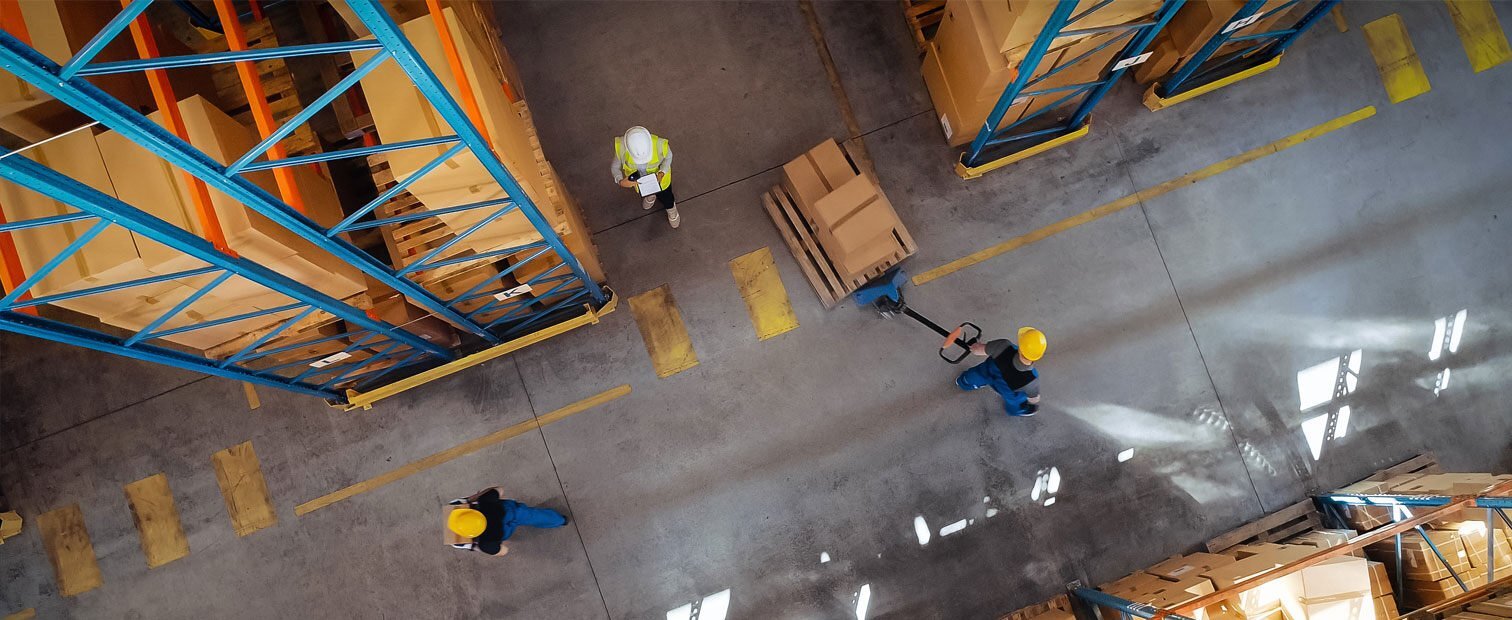
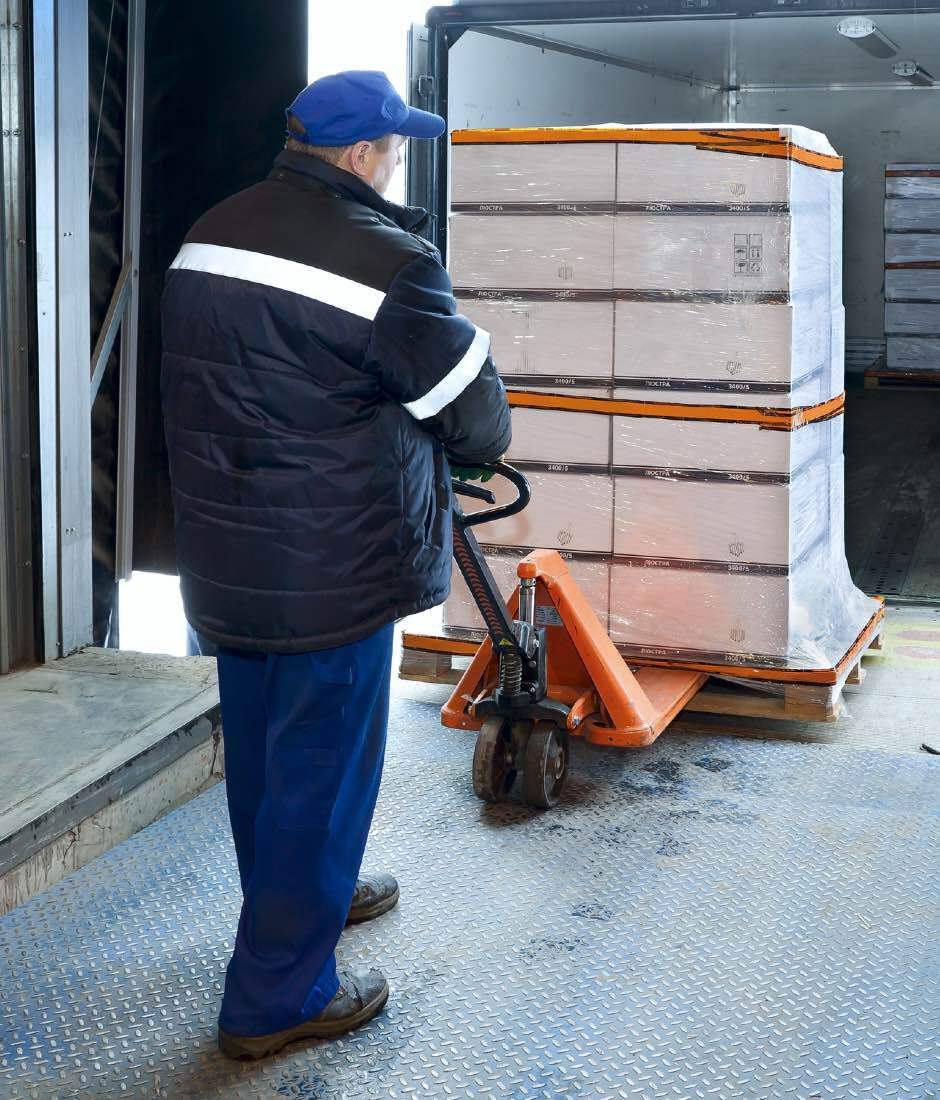
Worker loading a truck
The rule

Each industry leans on carriers differently

Steady contract freight and urgent loads need different carriers.

Industries How industries rely on carriers

How industries rely on carriers

Every industry relies on logistics carriers, but in different ways. Manufacturers use carriers for steady flows of parts and finished goods, and call expedited carriers when a missing part stops a line. Retailers and e-commerce sellers use truckload carriers to restock warehouses and stores, with extra capacity around peaks.

Food and beverage companies need reliable, scheduled truckloads. Hospitals and medical suppliers need urgent deliveries handled carefully. Construction and energy companies depend on flatbed and hot shot carriers for steel, pipe and equipment at job sites and remote locations.

Many businesses mix steady contract freight with carriers they know and urgent one-off loads that need a truck quickly. ExpeditedFreight.com helps with the urgent and unusual loads by booking a carrier's dedicated truck when it is needed.

FREIGHT ON THE MOVE

TRUCKS THAT RUN DIRECT

A carrier's dedicated truck collects the freight and drives straight to the receiver, with no transfers along the way. ExpeditedFreight.com books these trucks for urgent and one-off loads across the US, from a Sprinter van with a few boxes to a full trailer.

Expeditor Andy
The upshot

Fit matters more than size

The right equipment on the right lane beats a big name.

Choosing Choosing a carrier

Choosing and booking a carrier

Choosing a logistics carrier starts with the freight. Match the equipment to the load, such as a dry van for enclosed pallets, a flatbed for steel or a hot shot for heavy urgent parts, and look for a carrier that runs that equipment on the lane. Communication matters as much as equipment: quick answers, confirmed times and honest updates.

For one-off, urgent or unusual loads, finding the right carrier quickly can be hard. A broker can search many carriers at once and book one with the right truck near the pickup.

To book, have ready what the freight is, the number of pieces, the weight and dimensions, both addresses, dock hours, contacts and the deadline. ExpeditedFreight.com uses those details to book a logistics carrier's dedicated truck, with one expeditor following the load.

A load with a carrier

A load with a carrier, step by step

A typical load booked through ExpeditedFreight.com follows six steps, from the first details to proof of delivery. Each step has a clear owner, so the shipper always knows where the freight is and who has it.

  1. 01

    Share the details

    The shipper shares what the freight is, the number of pieces, the weight and dimensions, both addresses, dock hours, contacts and the deadline, plus any liftgate or site access needs.

    • Weight and size
    • Deadline
  2. 02

    Tender the load

    The load is offered to a carrier with the right truck near the pickup, a step called a load tender. The carrier checks its equipment and driver availability and accepts the load.

    • Load tender
  3. 03

    Dispatch

    The carrier dispatches a truck and driver for the load, and the pickup time is confirmed with the shipper so the freight is ready and the dock is clear when the truck arrives.

    • Pickup time
  4. 04

    Pick up and sign

    The freight is loaded and secured, and the driver checks the piece count and signs the bill of lading, the shipping document that records exactly what was handed over.

    • Bill of lading
  5. 05

    Track the load

    The truck drives straight to the receiver with no other stops. Check calls and updates along the way show where the load is and flag any delay from traffic or weather early.

    • Updates
  6. 06

    Deliver with proof

    The receiver checks the freight against the paperwork, notes any exceptions and signs. That signed proof of delivery confirms the time of arrival and closes the load.

    • Proof of delivery

Logistics Carrier Questions Answered

What is a logistics carrier?

A logistics carrier is a company that physically moves freight from one place to another, using trucks, aircraft or other vehicles it owns or operates. It provides the equipment and the drivers or pilots and is responsible for the freight while it is in transit. Carriers range from very large fleets to owner-operators with a single truck. Brokers and other logistics companies may arrange the move, but the carrier is the one that carries it. Sharing complete details when booking helps avoid delays. A provider can confirm what is possible for a specific shipment.

What does a logistics carrier do?

A logistics carrier accepts loads from shippers or brokers, dispatches a truck and driver, picks up the freight, moves it to the destination and delivers it to the receiver. Along the way, it signs the bill of lading at pickup, shares updates on the load's progress and obtains a signed proof of delivery at the end. Carriers also maintain their equipment, plan routes and manage driver schedules. A provider can confirm what is possible for a specific shipment. Asking these questions before booking avoids surprises later.

What is the difference between a carrier and a broker?

A carrier owns or operates the trucks and moves the freight itself. A broker does not move freight; it arranges the move by finding a carrier with the right equipment, booking the load and managing communication until delivery. Shippers often work directly with carriers on steady lanes and use brokers for urgent, one-off or unusual loads, because a broker can search many carriers at once. Asking these questions before booking avoids surprises later. Planning ahead makes the delivery go more smoothly. Sharing complete details when booking helps avoid delays.

What is a 3PL?

A 3PL, or third-party logistics provider, is a company that handles logistics work for a business, such as transportation, warehousing, inventory management, order fulfillment or a mix of these. Some 3PLs operate their own trucks, while many arrange transportation through carriers, similar to a broker. Businesses use 3PLs to outsource logistics they do not want to manage themselves. Planning ahead makes the delivery go more smoothly. Sharing complete details when booking helps avoid delays. A provider can confirm what is possible for a specific shipment.

Are parcel companies logistics carriers?

Yes. Parcel networks are carriers too, because they physically move packages with their own vehicles and aircraft. They specialize in small boxes that one person can lift, sorting them through hubs and delivering them on set routes. They differ from freight carriers, which move palletized, heavy or oversized shipments on trucks loaded at a dock or with a forklift, often on a dedicated truck for one shipper. Sharing complete details when booking helps avoid delays. A provider can confirm what is possible for a specific shipment.

What kinds of logistics carriers are there?

The main kinds of logistics carriers are truckload carriers with dry vans for full loads, flatbed carriers for steel, lumber and machinery, expedited carriers that send dedicated vans and trucks for urgent loads, hot shot carriers using heavy-duty pickups with flatbed trailers, air freight carriers that fly cargo, and parcel networks for small packages. Less than truckload carriers, which combine many small shipments, are another kind. A provider can confirm what is possible for a specific shipment. Asking these questions before booking avoids surprises later.

How does a carrier get a load?

A carrier gets a load when a shipper or broker offers it, a step called a load tender. The tender includes the pickup and delivery locations, dates, freight details and equipment needed. The carrier checks whether it has a suitable truck and driver available and accepts or declines. Carriers get loads from direct shipper customers, contracts on regular lanes and brokers who arrange urgent and one-off loads. Asking these questions before booking avoids surprises later. Planning ahead makes the delivery go more smoothly. Sharing complete details when booking helps avoid delays.

What is shipment tracking?

Shipment tracking is how a shipper follows a load while it moves. Carriers share updates through check calls, where the driver or dispatcher reports the truck's location and progress, or through tracking technology that shows where the truck is. Updates usually cover pickup, any delays and the expected delivery time. At the end, the signed proof of delivery confirms when the freight arrived and who received it. Planning ahead makes the delivery go more smoothly. Sharing complete details when booking helps avoid delays. A provider can confirm what is possible for a specific shipment.

How do I choose a logistics carrier?

Choose a logistics carrier by matching its equipment and lanes to your freight, then checking how it communicates. A good carrier answers quickly, confirms pickup and delivery times and shares honest updates. Reviews from other shippers help. For urgent or unusual loads, a broker can compare many carriers at once and book one with the right truck, which saves time when a load must move quickly. Sharing complete details when booking helps avoid delays. A provider can confirm what is possible for a specific shipment.

How do I book a carrier for my freight?

To book a carrier, gather what the freight is, the number of pieces, the weight and dimensions of each, whether it can be stacked, how it will be loaded and unloaded, the pickup and delivery addresses, dock hours, contacts and the dates. Share the details with a carrier or broker by phone or quote form. The provider confirms the truck, the quote and the pickup time, then shares updates until delivery. A provider can confirm what is possible for a specific shipment. Asking these questions before booking avoids surprises later.

Get a quote

Need a carrier for your load? Get a quote now

Enter your pickup, delivery and deadline, and we will book a dedicated truck from a carrier.

5.0 from 1,600+ reviews on

Request a Quote

Step 1 of 3Origin and Destination Info

Was able to schedule a carrier less than an hour of me receiving notification of urgent shipment. This process was smooth and quick. Chris Noe was very help as this was my first time scheduling a Hot Shot Load.

Kesha · Verified review on Trustpilot
CTA Hero Star Background
TOP