

Truck Companies
Coordinating freight across multiple carriers, equipment types, and time zones is where most standard freight carriers fall short. ExpeditedFreight.com operates as your single point of contact, connecting your shipment to the right dedicated drivers, equipment, and routing from the first call to final delivery.
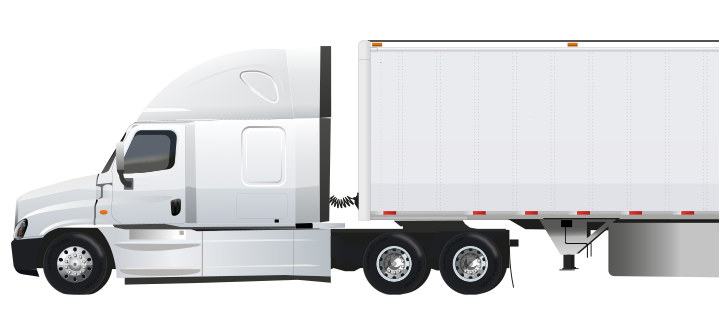





Expedited Trucking Services Across North America
Truck Companies Built for Expedited Freight Demands
Not every trucking company is built to handle freight that cannot wait. Standard carriers optimize for cost and volume. Expedited truck companies optimize for speed, direct routing, and accountability, which is a fundamentally different operational model.
ExpeditedFreight.com works with a vetted network of truck companies, independent owner-operators, and dedicated drivers coast to coast. Whether your shipment requires a sprinter van, a box truck, or a full tractor trailer, the right equipment and the right carrier are matched to your load, not the other way around.
From time-sensitive industrial freight to heavy haul and oilfield equipment transport, our platform connects shippers to expedited freight providers that standard shipping services simply are not designed to match. You get operational depth, real-time updates, and an experienced team that treats your freight as a priority from pickup to delivery.

Full Truckload
When your shipment fills a trailer and timing is non-negotiable, dedicated truckload shipping eliminates the stops and handoffs that slow standard freight carriers down. Direct routing, a single driver team, and no co-mingled freight keep your load on schedule across any lane. Truck companies in our network are well equipped to handle full truckload moves efficiently, whether the run is regional or coast to coast.

Flatbed Trucking
Oversized loads and heavy haul moves require more than a willing carrier. Flatbed services, step-deck options, and proper permitting are coordinated before the truck rolls. Construction equipment, building materials, and project cargo with complex dimensions are matched to well-maintained equipment and professional drivers who know how to move oversized freight safely and legally.

Hot Shot Trucking
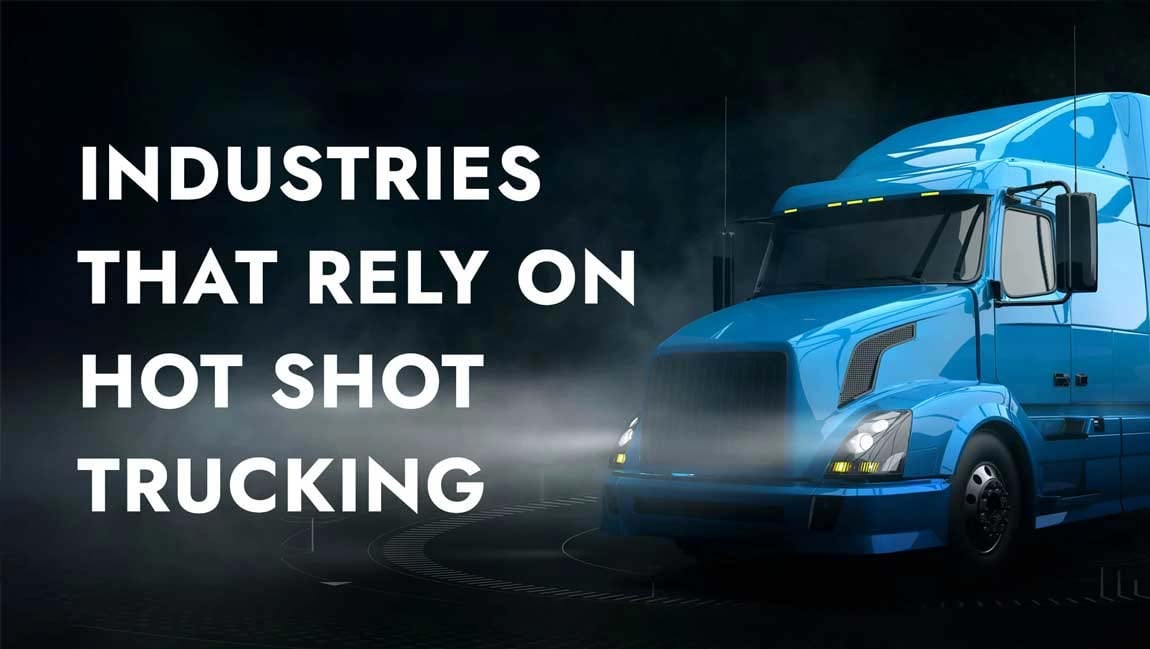
Oilfield equipment and urgent industrial parts often need to move faster than a standard carrier can respond. Hotshot trucking puts a dedicated vehicle on your load within hours, covering oil field locations, remote sites, and industrial corridors where downtime is measured in lost production. Our truck companies maintain a strong presence across energy corridors, giving shippers the swift transportation they need when an urgent order cannot wait.
WHAT WE DO
See How Truck Companies Move Your Time-Critical Freight
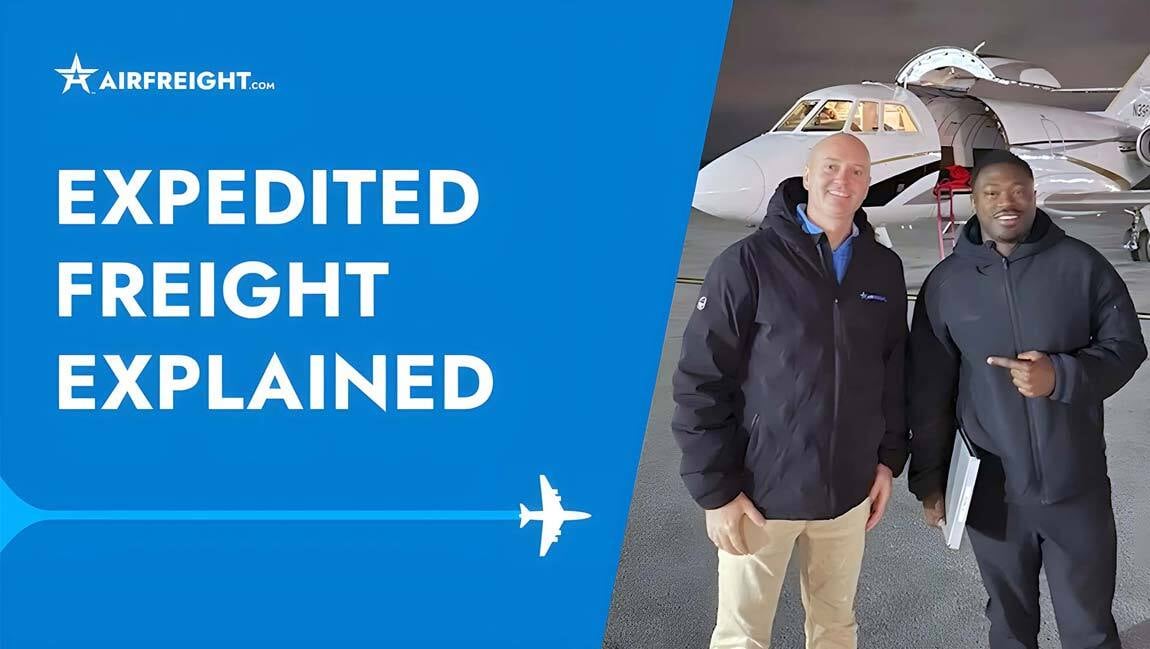
Expedited trucking requires more than a willing driver and an open trailer. The videos below break down how dedicated truck companies coordinate equipment, routing, and real-time visibility to keep time-sensitive freight on schedule, whether the move is overnight, cross-country, or into a remote field location.

Explore Our Trucking Services by Freight Type
KEY BENEFITS
NATIONWIDE NETWORK
ExpeditedFreight.com maintains an extensive coast-to-coast network of truck companies, giving shippers access to coverage that smaller freight carriers cannot match alone. Established truck companies in our network operate across major freight corridors, while regional and local carriers fill the gaps in harder-to-reach markets. This layered approach means your shipment is never without a qualified carrier, regardless of origin or destination. Freight rates are negotiated across multiple providers so you are not locked into a single carrier's capacity constraints, and shippers gain the confidence of knowing the best match is always available for their lane.
EXPLORE OUR COVERAGE



When Your Freight Needs the Right Truck Companies
- Industrial Line-Down Freight
- Oilfield and Energy Freight
- Heavy and Oversized Loads
- Cross-Country Tractor Trailer
- Owner Operator Surge Capacity
- Complex Project Cargo
- Multi-Carrier Over-the-Road

Industrial Line-Down Freight
When a production line stops, every hour of downtime carries a measurable cost. Time-sensitive industrial shipments require expedited freight solutions that move faster than standard shipping services can respond. ExpeditedFreight.com matches your load to dedicated drivers and well-maintained equipment already positioned near your facility. Whether the part is across town or across the country, the right truck company is dispatched immediately, with real-time updates from pickup through delivery confirmation. Operational efficiency at the carrier level translates directly into recovered production time for your team, and that difference can determine whether delivery today is possible or not.

Oilfield and Energy Freight
Oil field logistics operate on tight windows where a delayed piece of oilfield equipment can shut down an entire drilling operation. Experienced drivers familiar with remote site access, weight restrictions, and field conditions are matched to these loads through our carrier network. Hot shot services and flatbed trucking handle everything from pump components to wellhead equipment. Shippers in the energy sector benefit from a solid reputation for on-time delivery, competitive freight rates, and truck companies that understand field downtime is not an abstract concept. Our focus on this sector means your urgent order reaches the site without delay.

Heavy and Oversized Loads
Heavy haul freight requires more than a large truck. Permit coordination, route surveys, and the right tractor trailer configuration must all align before the load moves. ExpeditedFreight.com connects shippers to freight carriers with the specialized equipment and experience to handle oversized loads safely and legally. From step-deck flatbeds to lowboy configurations, the carrier is matched to the specific needs of the freight, not the other way around. Safety ratings and legal compliance are verified before any carrier is assigned, helping shippers mitigate risk on every complex move.
Cross-Country Tractor Trailer
Long haul tractor trailer freight demands more than capacity. It requires professional drivers who run dedicated routes without the relay handoffs that introduce delay and damage risk. ExpeditedFreight.com coordinates cross-country truckload shipping with truck companies that prioritize your freight over consolidated loads. Assignments are made based on equipment fit, driver availability, and lane familiarity, giving shippers confidence that the motor carrier on their load is the right one for the distance and the deadline. Over the road moves are managed through a single point of contact from origin to delivery.

Owner Operator Surge Capacity
When demand spikes and your primary carriers are at capacity, independent operators in our network provide the surge coverage that keeps freight moving. Rather than relying on a single trucking company's own resources, ExpeditedFreight.com accesses a comprehensive range of qualified independent carriers who are vetted, insured, and ready to book loads on short notice. This flexibility is especially valuable during peak seasons, regional disruptions, or when multiple truck companies are needed simultaneously to cover parallel shipments across different lanes. Shippers who join our platform gain access to this depth of coverage immediately.

Complex Project Cargo
Project freight with unusual dimensions, multi-piece configurations, or phased delivery schedules requires coordination that goes beyond standard freight brokerage. ExpeditedFreight.com manages project shipments from planning through final placement, working with truck companies that have the equipment, permitting experience, and communication discipline to execute complex moves. Whether the project involves construction materials, industrial machinery, or staged component deliveries, the logistics framework is built around your delivery needs rather than a standard carrier template. Shippers can resolve scheduling conflicts early because our experienced team plans each phase in advance.

Multi-Carrier Over-the-Road Freight
Some shipments require coordination across multiple truck companies to cover distance, geography, or capacity gaps that no single carrier can fill alone. Over-the-road drivers from different carriers are sequenced and managed through a single point of contact, eliminating the communication gaps that cause delays in multi-leg freight moves. Digital logistics operations track each segment in real time, and your account manager manages the handoffs so you are not managing multiple carrier relationships simultaneously. The result is consistent, exceptional service across every mile of the route, regardless of how many truck companies are involved.
TRUCKING INDUSTRY INSIGHTS
What Sets Leading Truck Companies Apart From the Rest

Expedited Freight Solutions for Time-Critical Shipments
When a production line stops or a customer deadline is hours away, standard shipping timelines are not an option. Expedited freight services exist precisely for these moments, deploying dedicated drivers and well-maintained equipment to move cargo with urgency that general carriers cannot match. Truck companies specializing in expedited work maintain available loads and driver capacity around the clock, ensuring a response is never delayed by shift changes or dispatch backlogs.
Expedited Freight Providers and Priority Routing
Expedited freight providers differentiate themselves through direct, no-stop routing. Rather than consolidating smaller shipments across a hub network, they assign a single vehicle and driver team to a load from origin to destination. This eliminates transfer points where delays and damage most commonly occur. Cargo vans, sprinter vans, and straight trucks are commonly deployed for lighter freight requirements, while tractor trailer units handle larger, heavier loads that still demand speed.
Dedicated Drivers and Operational Efficiency
Dedicated drivers are the backbone of any credible expedited operation. Team driving arrangements allow freight to move continuously, covering 1,000 or more miles in a 24-hour window without mandatory rest stops halting progress. Operational efficiency in this context means minimizing every non-driving minute, from pickup to delivery. Truck companies that invest in advanced logistics technology can coordinate driver positioning, fuel stops, and real-time routing adjustments to protect delivery windows even when traffic or weather intervenes.
Expedited Freight Solutions Across North America
A strong presence across North America is essential for any trucking company offering true expedited freight solutions. Regional carriers may serve a corridor well but fall short when a shipment crosses multiple state lines or requires a cross-border handoff into Canada or Mexico. National trucking companies with an extensive network of owner operators and company drivers can source capacity from the nearest available asset rather than deadheading equipment hundreds of miles to a pickup.
Competitive rates in expedited trucking reflect the premium placed on speed, driver availability, and direct routing. Shippers should evaluate cost against the true cost of downtime, missed production schedules, or lost customer relationships. The right trucking company will be transparent about its pricing structure and committed to delivering exceptional service on every load, not just the largest accounts.
Fleet Maintenance, Safety Ratings, and Legal Compliance
A trucking company's fleet is its most visible asset, and the condition of that fleet communicates everything about how the business is run. Well-maintained equipment reduces breakdown risk, protects cargo integrity, and keeps drivers safe on long haul routes where roadside failures are both costly and dangerous. Truck companies that invest consistently in preventive maintenance programs experience fewer service interruptions and carry better safety ratings with the Federal Motor Carrier Safety Administration.
Safety Ratings and Motor Carrier Accountability
Safety ratings are one of the most objective measures available when evaluating truck companies. A motor carrier's Compliance, Safety, Accountability scores reflect real inspection data, violation history, and crash involvement across the transportation industry. Shippers working with freight carriers that maintain clean safety records reduce their own liability exposure and benefit from lower cargo claim rates. Legal compliance is not optional in this industry; it is the baseline that separates professional operations from those that cut corners.
Fleet Maintenance Programs for Over-the-Road Truck Drivers
Over-the-road truck drivers depend on reliable equipment to meet delivery commitments and manage their hours of service effectively. A trucking business that treats fleet maintenance as a cost center rather than a competitive advantage will struggle to retain experienced drivers and satisfy clients with consistent on-time performance. Preventive inspection schedules, electronic logging device integration, and tire management programs are standard practice among leading truck companies that prioritize uptime.
Hazardous Materials and Specialized Compliance
Cargo classifications add another layer of legal compliance complexity. Hazardous materials transport requires specific placarding, driver certification, and route planning that accounts for tunnel restrictions and population density. Tanker operations carry their own endorsement requirements and inspection protocols. Truck companies that handle oilfield equipment or project cargo must also navigate oversize and overweight permitting, which varies by state and requires advance coordination with transportation authorities.
The trucking industry's regulatory environment continues to evolve, and companies that build compliance into their daily operations rather than treating it as a periodic audit exercise are better positioned to scale. Shippers benefit directly from partnering with carriers that have invested in compliance infrastructure, because that investment protects the supply chain from unexpected service disruptions.

Driving Opportunities, Owner Operators, and the Carrier Network
The trucking industry runs on the decisions of individual drivers, whether they operate as company employees or independent owner operators leased to a carrier. Understanding this distinction matters for shippers because it directly affects how a trucking company sources capacity, manages service consistency, and responds to surge demand. Truck companies that maintain a balanced mix of their own fleet assets and contracted owner operators can scale more responsively than those relying entirely on one model.
Owner Operators and Load Board Access
Owner operators bring flexibility to a carrier network that company drivers alone cannot provide. They often specialize in specific freight types or lanes, making them valuable assets for niche requirements like heavy haul, flatbed, or oilfield equipment moves. Access to a load board allows owner operators to find available loads that match their equipment and preferred routes, while trucking companies benefit from expanded capacity without the fixed cost of additional owned equipment. The most effective carrier networks integrate owner operators with strong safety records and verifiable experience.
Local Truck Driving Jobs and Regional Coverage
Local truck driving jobs are a critical part of the broader transportation services ecosystem. Drivers in regional and local roles handle the first and last mile movements that long haul operators cannot efficiently cover. Many drivers begin their careers in local positions before transitioning to over-the-road roles, building familiarity with freight requirements, customer expectations, and hours-of-service management. Truck companies that invest in driver development at every level tend to retain talent longer and deliver more consistent service to clients.
Driving Opportunities and Trucking Career Growth
Driving opportunities in the current market span a broad range of equipment types, freight categories, and operational models. From cargo van and sprinter van roles suited to expedited lighter freight, to tractor trailer positions handling full truckload moves across the country, the career paths available within trucking are more varied than many outside the industry realize. Truck companies that respect their drivers, offer competitive compensation, and provide well-equipped vehicles attract the many drivers needed to sustain reliable service.
For shippers, a carrier's driver retention rate is a meaningful proxy for operational health. High turnover creates service inconsistency, increases training costs, and often signals deeper management problems. Partnering with truck companies that are committed to their employees and owner operators is one of the most practical ways to protect supply chain performance over time.

Third-Party Logistics, Freight Brokers, and Carrier Selection
Third-party logistics providers and freight brokers occupy a distinct but complementary role alongside asset-based truck companies. Rather than operating their own fleet, these intermediaries leverage relationships with multiple carriers to source capacity, negotiate rates, and manage shipment execution on behalf of shippers. For businesses without dedicated transportation departments, working with a 3PL or one of the best freight brokers can dramatically reduce the time spent managing manual processes and chasing carrier availability.
Best Freight Brokers and Streamlined Freight Procurement
The best freight brokers distinguish themselves through carrier vetting, technology integration, and market intelligence. They maintain relationships with both national trucking companies and smaller carriers, giving them the ability to match freight requirements to the most appropriate and cost-effective option. Shippers benefit from this breadth of access without needing to manage individual carrier contracts across dozens of providers. Brokers that use advanced logistics technology can provide real-time tracking visibility and automated exception alerts that keep supply chains informed.
Intermodal Freight and Multimodal Options
Intermodal freight solutions are increasingly relevant for shippers looking to balance cost and transit time across longer corridors. By combining truck and rail movements within a single shipment, intermodal options can reduce per-mile costs on lanes where rail infrastructure is strong. Third-party logistics providers are well positioned to evaluate when intermodal makes sense versus a direct truckload move, factoring in transit time requirements, freight characteristics, and competitive rates across both modes.
Providing Transportation Services Across a Broad Range of Freight
Providing transportation services across a broad range of freight types requires access to a diverse carrier base. A 3PL working with expedited truckers, flatbed specialists, and intermodal operators can serve a shipper's full freight profile rather than forcing all shipments into a single mode or equipment type. This flexibility is particularly valuable for manufacturers and distributors whose outbound freight mix changes seasonally or in response to customer demand shifts.
Smaller carriers often offer competitive rates and strong service on specific lanes but lack the technology or administrative infrastructure to manage complex freight programs independently. Third-party logistics providers bridge this gap, allowing shippers to access the service quality of smaller carriers while benefiting from consolidated billing, performance reporting, and a single point of contact for issue resolution.
Heavy Haul, Project Cargo, and Specialized Trucking Services
Heavy haul trucking sits at the most technically demanding end of the transportation services spectrum. Moving oversized or overweight loads requires more than a large truck; it demands route surveys, state and local permits, escort vehicle coordination, and drivers with specific experience managing the physics of wide or tall loads at highway speeds. Truck companies that specialize in heavy haul maintain relationships with permitting agencies across the country and understand how to build realistic transit timelines that account for permit processing delays.
Project Cargo and Oilfield Equipment Transport
Project cargo and oilfield equipment represent some of the most complex freight requirements in the trucking industry. Drilling components, pressure vessels, modular structures, and refinery equipment often exceed standard dimensional limits and require custom rigging, specialized trailers, and careful load engineering. Truck companies with a solid reputation in the oil field sector invest in well-equipped fleets that include lowboys, extendable flatbeds, and multi-axle configurations capable of distributing heavy loads within legal axle weight limits.
Flatbed Trucks and Open-Deck Freight Solutions
Flatbed trucks are the workhorses of open-deck freight, handling everything from structural steel and lumber to industrial machinery and construction equipment. Unlike enclosed trailers, flatbeds allow loading from the side, top, or rear, which is essential for cargo that cannot be maneuvered through a standard trailer door. Securing this freight correctly requires knowledge of tarping, blocking, bracing, and chain tie-down requirements that vary by cargo type and weight distribution.
Hotshot Services for Urgent Heavy Freight
Hotshot services fill a specific niche within specialized trucking, combining the urgency of expedited freight with the equipment flexibility needed for smaller but heavy or awkward loads. A hotshot truck and gooseneck trailer can move a single piece of oilfield equipment or a small quantity of structural material faster than waiting for a full truckload to consolidate. This service is particularly valued in energy sector operations where equipment downtime translates directly to lost production revenue.
Shippers evaluating truck companies for specialized freight should look beyond price to assess equipment condition, driver certification, and the carrier's track record with similar cargo. A commitment to safety, combined with an extensive network of permitted routes and experienced operators, is what separates capable heavy haul providers from those who take on freight beyond their operational competency.
Expedited Trucking Excellence: Explore Our Resource and Blog Section
ExpeditedFreight.com is a leader in the freight industry. Our blog and resource section offers information and resources to improve your logistics strategy.


From critical shipments to ongoing support, see why businesses continue to choose ExpeditedFreight.com