

Trucking Companies
Coordinating freight across multiple carriers, load types, and delivery windows is where most standard trucking companies fall short. ExpeditedFreight.com operates as your single point of contact into an extensive network of vetted freight carriers, dedicated drivers, and expedited freight services built to handle what standard ground transportation cannot. When your shipment has a hard deadline, we match it to the right equipment and the right driver, fast.
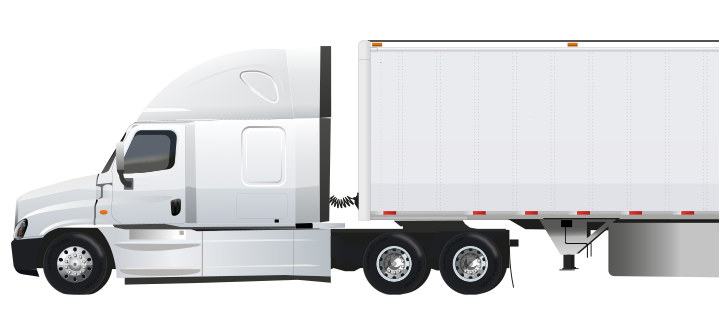





Expedited Trucking Services Across Every Load Type
Trucking Companies Built Around Your Freight Priorities
Not all trucking companies are built the same. Some specialize in long haul truckload lanes. Others focus on regional distribution or oilfield equipment moves. What separates a capable freight transportation network from a generic list of truck companies is the ability to match your specific delivery needs to the right equipment, driver, and timeline without delay.
ExpeditedFreight.com works across a comprehensive range of shipping services, from tractor trailer moves and oversized loads to cargo van and hotshot trucking for smaller commercial shipments. Our coast-to-coast network spans North America, and every carrier we work with is evaluated for safety ratings, fleet maintenance standards, and regulatory compliance before your freight is ever assigned.
Whether you need a dedicated trucking solution for a time-critical manufacturing run or a specialized rig for project cargo, we connect you to expedited freight services that match the actual demands of your shipment, not a one-size-fits-all rate sheet.

Flatbed Trucking
Flatbed services and oversized loads require more than just a big truck. Permit coordination, route surveys, and specialized rigging all factor into execution. Our network includes freight carriers equipped for overweight and non-standard dimensions, with the operational experience to move construction equipment and industrial machinery on tight schedules. Transporting oversized freight demands a truck company with a strong presence in permitting and route planning, and that is exactly what our experienced team delivers.

Hot Shot Trucking
Hotshot trucking and dedicated trucking form the backbone of expedited ground shipping. Professional drivers run well-equipped vehicles, operate under strict regulatory standards, and are available for urgent orders that standard freight carriers cannot accommodate. We match your delivery needs to experienced drivers who treat your shipment with the same urgency you do, providing exceptional service from dispatch through final delivery.

Full Truckload Carriers
Full truck load and specialized shipments fall outside the scope of standard over-the-road options. These moves require freight carriers with the right equipment, proper permitting, and experience handling non-conveyable freight. Our experienced team coordinates shipping solutions for oilfield operations, construction sites, and industrial project deployments, providing transportation services that keep your logistics operations on schedule across dedicated routes throughout North America.
WHAT WE DO
See Our Carrier Network and Fleet Capabilities
Our network spans the full range of shipping services, from hotshot trucking and cargo van to tractor trailer and flatbed services. These videos break down how expedited freight services operate and what shippers can expect when working with a freight transportation network built for time-critical shipments.

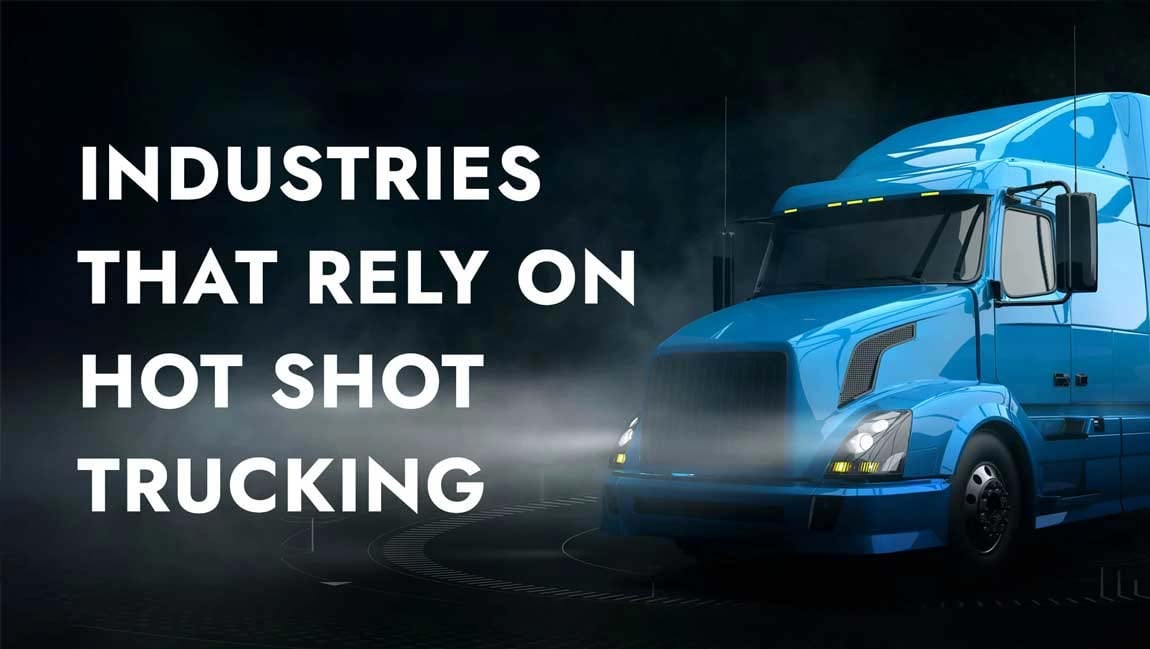
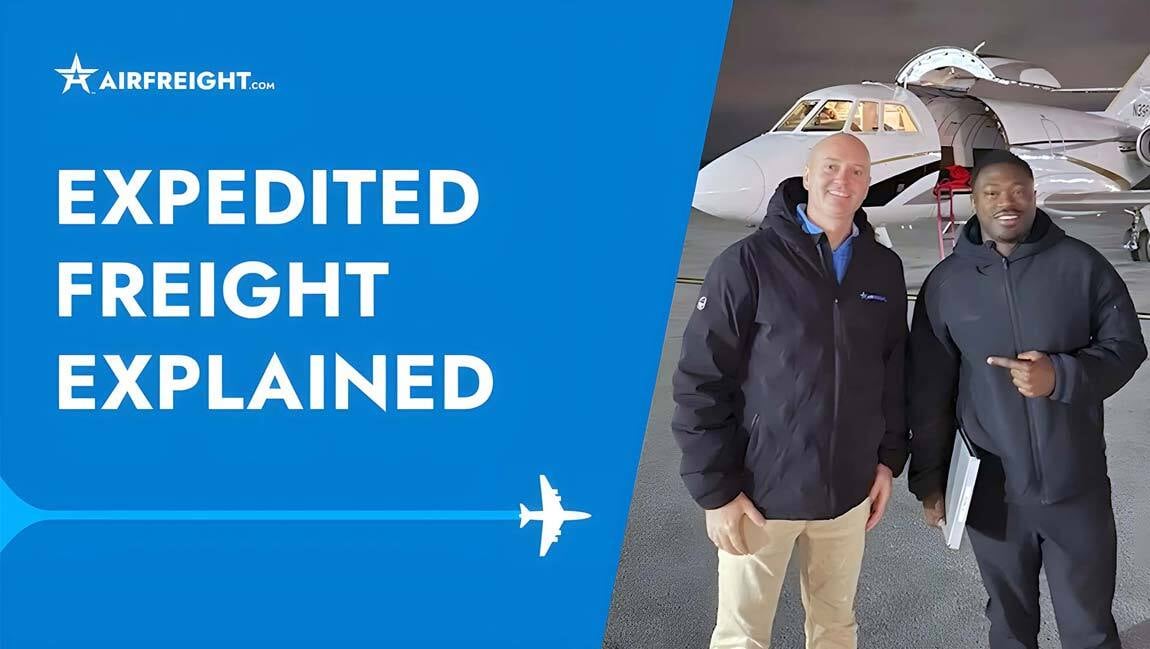
Explore How Expedited Trucking Companies Work
KEY BENEFITS
NATIONWIDE NETWORK
ExpeditedFreight.com maintains a nationwide network of vetted freight carriers spanning every major corridor from coast to coast. Many truck companies struggle to flex around urgent or non-standard loads. Our model is built differently: we source from multiple carriers simultaneously, matching available truck loads to the right equipment without relying on a single provider. Shippers gain access to competitive freight rates, broad geographic reach, and the kind of carrier depth that keeps freight moving even when primary options fall through. This non-asset approach is how best freight brokers operate at scale, and it is the foundation of our logistics company model.
EXPLORE OUR COVERAGE



Trucking Services That Match Real Freight Demands
- Time-Critical Manufacturing
- Oilfield Equipment Moves
- Construction Project Loads
- Retail Surge Freight
- Cross-Border North America
- Intermodal Freight
- Expedited Ground for Smaller

Time-Critical Manufacturing
When a production line goes down, the cost of waiting for a standard carrier compounds by the hour. Expedited freight services are built for exactly this scenario. We dispatch professional drivers quickly, pulling from available truck loads across our network to match your delivery needs with the right equipment. Whether the shipment is a single pallet of components or a full truck load of tooling, the priority is the same: get it moving before the line-down becomes a line-loss. Our shipping solutions are designed to absorb the urgency of manufacturing disruptions without adding coordination complexity, keeping your business forward and your supply chain management intact.

Oilfield Equipment Moves
Oil field operations run on tight schedules where equipment delays translate directly into rig downtime and lost production. Transporting oilfield equipment requires freight carriers with the right permits, the right rigging, and experience navigating remote access routes. Our network includes specialized carriers equipped for oversized loads common to the energy sector. From pump components to wellsite machinery, we coordinate shipping solutions that keep your operation moving. Shippers in the energy sector rely on our established network because we understand that a missed delivery window in this industry is never just a logistics problem, and we resolve issues before they escalate.

Construction Project Loads
Construction sites operate on sequenced delivery schedules where a late load can idle an entire crew. Project freight for construction often involves building materials, heavy construction equipment, and non-standard dimensions that require flatbed services, step decks, or specialized trailers. Our experienced team coordinates permitting, routing, and carrier selection for these moves, drawing from freight carriers experienced in construction materials and palletized trucking. Whether the job site is local or remote, we match your shipment to trucking companies with the equipment and compliance record to execute without incident.

Retail Surge Freight
Retail and distribution operations face predictable surge periods where standard carrier capacity disappears and delivery needs spike simultaneously. Smaller truck companies and experienced drivers in our network provide the flexibility that national carriers often cannot during peak demand. We source across multiple carriers to keep your distribution moving, offering competitive freight rates and rapid dispatch for time-sensitive retail freight. From regional distribution centers to store-level delivery today coordination, our shipping services adapt to volume fluctuations without requiring you to renegotiate contracts mid-season. This is the kind of customer experience that makes all the difference when an urgent order cannot wait.

Cross-Border North America
Cross-border shipments between the US, Canada, and Mexico introduce compliance layers that standard truck companies are not always equipped to handle. Customs documentation, border crossing protocols, and carrier authority requirements all need to be managed in advance. Our network includes freight carriers with established cross-border experience and the legal compliance infrastructure to move freight across multiple modes without delays at the border. For shippers managing supply chains that span multiple countries, having a single point of contact who understands both the logistics and the regulatory requirements provides peace of mind knowing your freight is in capable hands.

Intermodal Freight Coordination
Intermodal freight moves shipments across multiple modes of transportation, typically combining rail and truck segments to balance cost and speed. Coordinating these shipments requires visibility across the full transit chain, not just the final mile. Our experienced team manages the ground transportation component of intermodal moves, ensuring that drayage and final delivery are executed with the same urgency as the primary haul. For shippers who use intermodal as a cost management tool on longer lanes, we provide the expedited ground layer that keeps the overall shipment on schedule when rail timing shifts. This division of responsibility is where a capable truck broker adds real value.
Expedited Ground for Smaller Loads
Not every urgent shipment fills a trailer. Smaller commercial shipments, from single pallets to partial loads, often get deprioritized by larger carriers focused on full truck load freight. Our network of cargo van and hotshot trucking carriers is built for exactly these scenarios. Expedited ground transportation for smaller shipments delivers the same priority handling and real-time updates as a full truckload move, without forcing you into a mode that does not fit your freight. Experienced drivers running well-equipped vehicles handle these loads with the same commitment as any other shipment in our network, providing exceptional service on every run.
INDUSTRY DEEP DIVE
What Sets Leading Trucking Companies Apart in Today's Market

Expedited Freight Solutions for Time-Critical Cargo
When a shipment cannot wait for standard transit windows, expedited freight services become the operational backbone of supply chain continuity. Trucking companies that specialize in this space maintain an extensive network of dedicated drivers and well-maintained equipment ready to move on short notice, often within hours of a booking request.
Expedited Freight Providers and Priority Dispatch
Expedited freight providers differentiate themselves through direct-load dispatch, meaning cargo moves point-to-point without consolidation stops or relay transfers. This approach eliminates the delays common in standard less than truckload networks and ensures that freight requirements tied to production schedules or retail replenishment are met without compromise. The right trucking company will have a load board infrastructure that connects available loads with dedicated drivers in real time.
Dedicated Drivers and Well-Maintained Equipment
Expedited truckers typically operate sprinter vans, straight trucks, and tractor trailer units depending on shipment size and urgency. Committed carriers keep their own fleet well equipped and compliant with all safety ratings and legal compliance standards, which directly reduces the risk of delays caused by roadside inspections or equipment failures. Fleet maintenance schedules are built around uptime, not convenience.
Cargo Van and Straight Truck Options for Smaller Shipments
Not every urgent shipment fills a full truckload. Cargo van and straight truck options allow trucking companies to serve smaller shipments with the same priority handling applied to larger loads. This flexibility is especially valuable for manufacturers and distributors who need to move parts or components quickly without paying for unused trailer space. Competitive rates on these vehicle classes make expedited options accessible across a broad range of freight requirements.

Ground Expedited Trucking Across North America
Ground expedited trucking fills the gap between standard over-the-road truck drivers and air freight, offering faster transit than conventional truckload carriers without the cost of chartering an aircraft. For many shippers, this mode represents the most cost-effective way to recover from supply chain disruptions, missed production windows, or unexpected demand spikes.
Motor Carrier Networks and Available Loads
A well-structured motor carrier operation maintains relationships with owner operators and company drivers across multiple regions, ensuring available loads can be matched to capacity quickly. National trucking companies with a strong presence in major freight corridors can offer transit times that rival next-day air on many lanes, particularly in the eastern half of the country. Load board technology plays a central role in connecting capacity to freight requirements without manual processes slowing down the booking cycle.
Over-the-Road Truck Drivers and Team Driver Options
Over-the-road truck drivers running solo are subject to federal hours-of-service regulations, which cap daily driving time and can extend transit on longer lanes. Many expedited freight companies address this by deploying team drivers, allowing trucks to run continuously and deliver cargo in timeframes that solo operations cannot match. This is particularly relevant for long haul lanes where every hour of transit time has direct cost implications for the client.
Operational Efficiency Through Advanced Logistics Technology
Advanced logistics technology, including real-time GPS tracking, electronic logging devices, and automated dispatch platforms, allows trucking companies to streamline operations and reduce the friction that historically slowed expedited moves. Operational efficiency gains from these tools translate directly into more reliable delivery windows and better communication with clients throughout the shipment lifecycle. Carriers that invest in technology consistently outperform those still relying on phone-based coordination.
Third-Party Logistics and Freight Broker Services
Third-party logistics providers occupy a critical position in the logistics industry by acting as intermediaries between shippers and trucking companies. Rather than operating their own fleet, the best freight brokers leverage relationships with multiple carriers to find the right capacity at competitive rates for each specific shipment. This model gives shippers access to a broad range of transportation services without the overhead of managing carrier relationships directly.
Best Freight Brokers and Carrier Network Access
The value of working with top freight brokers lies in their carrier network depth. A broker with strong relationships across national trucking companies and smaller carriers can source capacity in tight markets where direct shipper outreach would fail. This is especially important during peak shipping seasons or regional capacity crunches when available loads far outnumber trucks. Brokers who book loads efficiently and communicate proactively are the ones that earn long-term client trust.
Intermodal Freight and Supply Chain Flexibility
Many third-party logistics providers also offer intermodal freight options, combining trucking services with rail or other modes to optimize cost and transit time across longer lanes. Intermodal solutions are particularly effective for shippers moving high volumes of non-urgent freight across the country, where the cost savings of rail can offset slightly longer transit windows. Integrating intermodal into a broader supply chain strategy requires careful lane analysis and carrier vetting.
Streamlining Manual Processes with Technology
Modern third-party logistics operations use technology to eliminate manual processes that historically created errors and delays in freight booking and tracking. Automated quoting, digital documentation, and real-time shipment visibility tools allow logistics providers to manage more loads with greater accuracy. Shippers benefit from this efficiency through faster booking confirmations, fewer exceptions, and better data for future freight planning.
Driving Opportunities and Careers in the Trucking Industry
The trucking industry remains one of the most accessible pathways to a stable, well-compensated career in the transportation sector. Demand for qualified truck drivers continues to outpace supply in most regions, creating genuine leverage for drivers seeking local truck driving jobs, regional routes, or long haul positions with national trucking companies. Understanding what different employers offer is essential before committing to a role.
Owner Operators and Driving Opportunities with Trucking Companies
Owner operators who bring their own equipment to a carrier relationship often earn higher per-mile rates than company drivers, but they also absorb the costs of fuel, insurance, and fleet maintenance. Many trucking companies offer lease-to-own programs or dedicated contract services that provide consistent freight volume to owner operators, reducing the uncertainty of relying solely on spot market loads. Drivers considering this path should evaluate the carrier's commitment to providing consistent available loads before signing any agreement.
Local Truck Driving Jobs and Regional Positions
Not every driver wants to spend weeks away from home on over-the-road runs. Local truck driving jobs and regional positions allow many drivers to return home daily or weekly while still earning competitive rates. Trucking companies that offer a mix of local, regional, and long haul positions tend to attract and retain drivers more effectively, because they can accommodate life changes without losing experienced employees to competitors.
What the Right Trucking Company Offers Its Drivers
The right trucking company treats its drivers as the foundation of the business, not a variable cost to be minimized. Carriers with a solid reputation in the industry invest in driver training, maintain well-maintained equipment, and provide transparent pay structures that respect the work drivers perform. Employees who feel valued and equipped to do their jobs safely are more committed to exceptional service, which ultimately protects the carrier's safety ratings and client relationships.
Expedited Trucking Excellence: Explore Our Resource and Blog Section
ExpeditedFreight.com is a leader in the freight industry. Our blog and resource section offers information and resources to improve your logistics strategy.



From critical shipments to ongoing support, see why businesses continue to choose ExpeditedFreight.com