Skip to content
AirFreight logo with topographic patterns

Delivery Freight

Once a shipment outgrows the parcel counter, it moves as freight, with its own paperwork and its own truck. ExpeditedFreight.com arranges freight delivery with dedicated trucks, from cargo vans to 53 ft trailers. When the deadline is tight, we can fly it.

CALL US AT (800) 704-7145

Straight Truck

Trusted By Our Most Valuable Partners

FREIGHT DELIVERY

Freight Delivery on a Truck Sized to the Load

A few cartons can ride a parcel network, but pallets, crates and heavy pieces need a truck, a dock or a liftgate, and a bill of lading. How that truck is booked decides how fast the freight arrives. Shared LTL trucks stop at terminals along the way, while a dedicated truck drives straight to the receiver.

ExpeditedFreight.com arranges the dedicated kind. We match the vehicle to the shipment, from a cargo van for a few pallets to a 53 ft trailer for a full load. When the distance is too great for a truck to make the deadline, we put the freight on a flight.

The right choice depends on three things: how much freight there is, how far it is going and how soon it has to arrive. A few pallets going across the state need a different truck from a full load crossing the country. We work through those details with you and confirm the vehicle and delivery time before anything is booked.

The three options below cover most freight deliveries we arrange. The page then explains when a shipment becomes freight and how the delivery options compare.

A FEW PALLETS box-trucks

Box Trucks

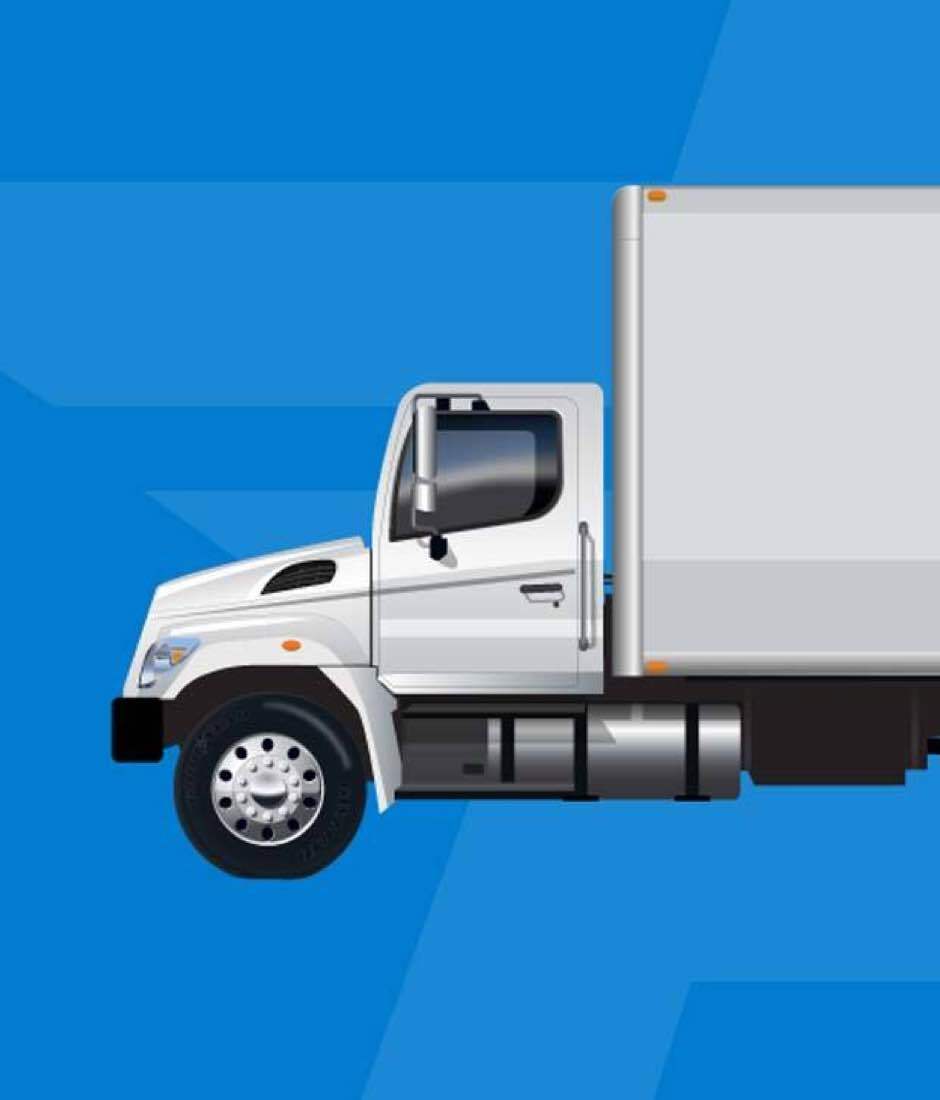
A 12 to 16 ft box truck carries up to about 5,000 lbs, enough for several pallets. A liftgate lets it deliver where there is no dock. Because it carries only your shipment, it goes straight from your dock to the receiver without terminal stops.

Box Truck Services about A few pallets
FULL LOADS 53-ft-dry-vans

53 ft Dry Vans

A 53 ft dry van carries up to about 42,000 lbs of enclosed freight. Booked as a dedicated truck, it runs straight from your dock to the receiver. It suits full loads of product, packaged machinery and anything that needs to stay dry.

Dry Van Services about Full loads
WHEN TIME IS SHORT Icon of a plane flying over boxes

Expedited Air Freight

For long distances and tight deadlines, we book freight on commercial or cargo flights with trucks at both ends. It costs more than ground but can save a day or more. We plan the pickup around the airline cutoff so the freight makes the flight.

Air Freight Services about When time is short
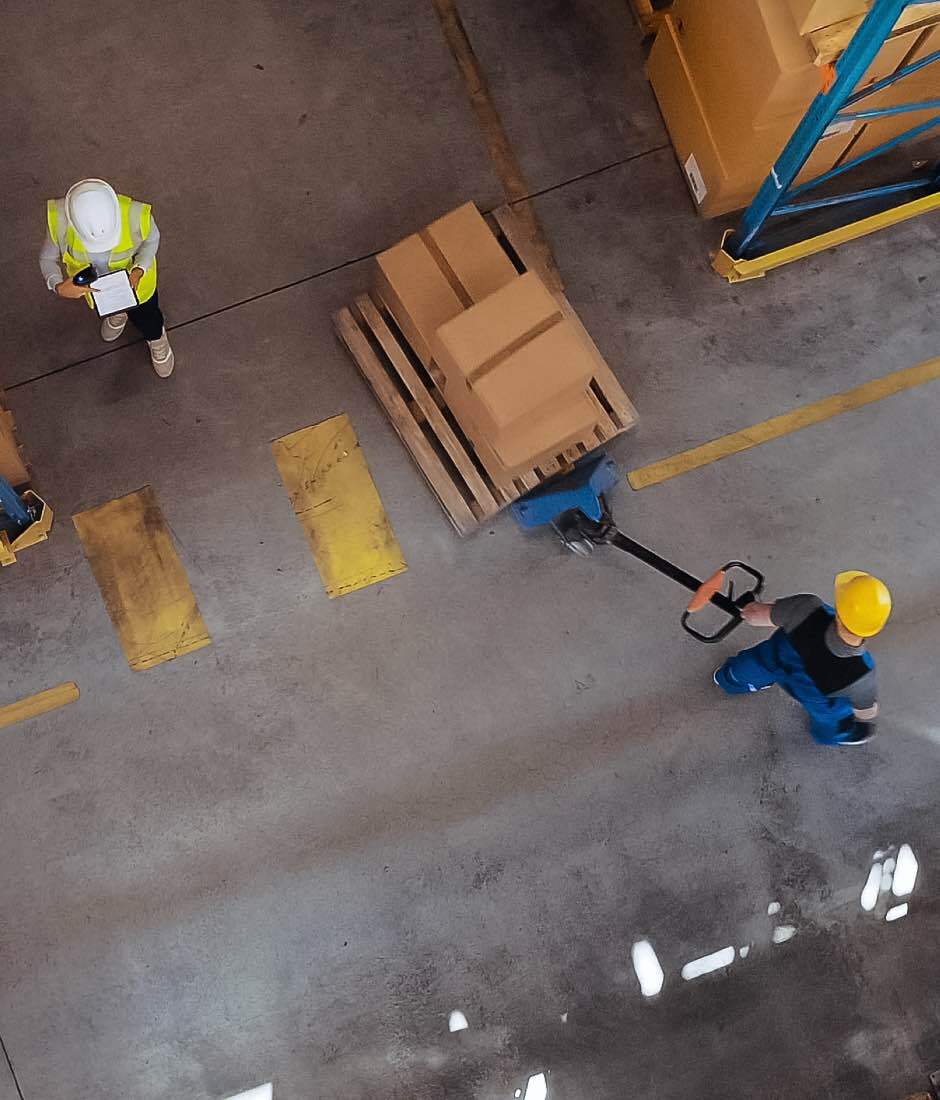
Factory worker with a box
Rule of thumb

Pallets move as freight

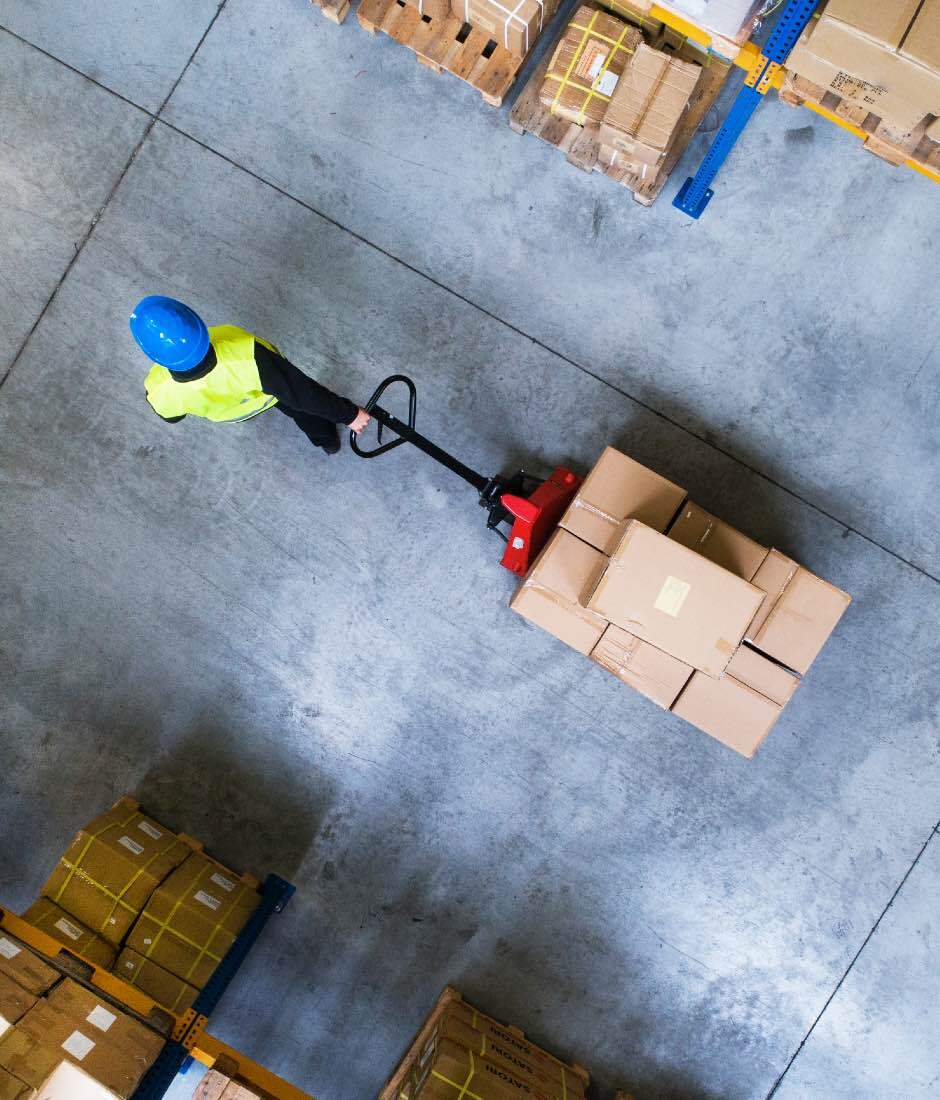
Once boxes are stacked on a pallet or exceed parcel limits, the shipment is freight.

Freight delivery When it applies

When a shipment becomes freight

Whether your priority is cost, speed or careful handling, freight delivery remains one of the most practical ways to move large shipments. It covers goods that are palletized, crated, heavy or oversized, moved by truck, rail or air rather than through a parcel network.

Parcel networks are built for boxes one person can lift. Past their weight and size limits, or once boxes are stacked on a pallet, a shipment moves as freight. It travels with a bill of lading and needs a dock, forklift or liftgate to load and unload. People often use shipping for the whole journey and delivery for the final handoff.

Aerial view of a truck driving on the road
The trade-off

Flexible date or fixed one

LTL costs least when freight can wait. A dedicated truck or air when it cannot.

Your options The options

Freight delivery options, from LTL to air

When you have a few pallets and a flexible date, LTL gives you the lowest cost by sharing a truck with other shippers. It moves through terminals, so it takes longer. Partial truckload shares a truck with fewer stops, and full truckload gives one shipper a whole trailer.

When the date matters, the options change. An expedited dedicated truck carries only your freight and runs straight to the delivery. A hot shot carries heavy items on an open deck. Air freight puts the shipment on the next flight out when the distance is too far for a truck.

If your freight can wait a few days, LTL is worth comparing. When it cannot, we arrange full truckloads, dedicated expedited trucks, hot shots and air freight.

Straight truck (box truck)
Quick guide

Van to flatbed

3,000 lbs in a Sprinter up to 48,000 lbs on a flatbed. The delivery site matters too.

Truck types Equipment

Truck and trailer types for freight

A box truck carries up to 5,000 lbs, more than a Sprinter van's 3,000 lbs but less than a large straight truck's 9,000 lbs. Those three enclosed trucks handle most small and mid-size freight deliveries, and the straight truck often has a liftgate for sites without a dock.

Larger and heavier freight needs bigger equipment. A hot shot pulls a gooseneck or flatbed trailer and carries up to 16,000 lbs of machinery or parts. A 53 ft dry van takes full enclosed loads up to 42,000 lbs. A full flatbed carries steel, lumber and equipment up to 48,000 lbs, loaded by crane or forklift.

The right truck depends on the freight and on the delivery site. We match both when you book, so the vehicle that arrives can unload where you need it.

Freight trucks

Freight trucks from van to trailer

Sprinter van1 / 6

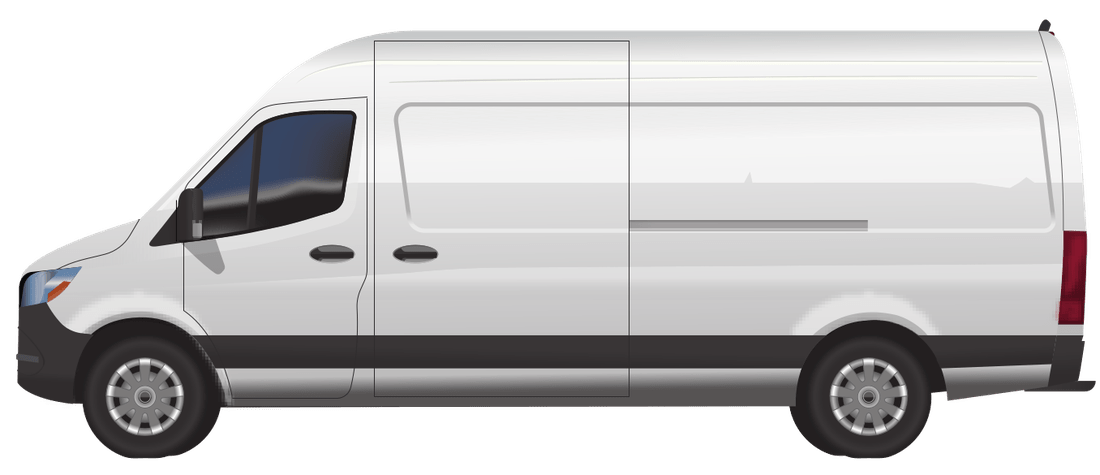
Sprinter van side view
8–12 ft3,000 lbs
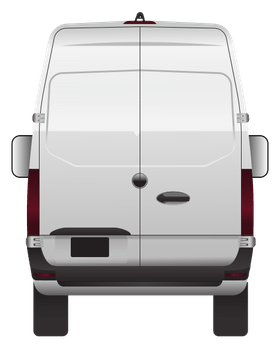
Sprinter van rear view
52 inWide
70 inHigh
Cargo length8–12 ft
Payload3,000 lbs
Interior width52 in
Interior height70 in
Best for

Parts, documents, medical supplies, a pallet or two

About sprinter vans

An enclosed cargo van for small freight shipments. It is quick to dispatch and fits most docks and city streets. The freight rides locked inside, out of the weather.

Expeditor at his desk tracking a shipment
Have ready

Size, weight, ZIPs, dates

Accurate dimensions and weight are what make a freight estimate reliable.

Getting an estimate Accurate quotes

Getting an accurate freight estimate

While a rough guess gets you a number, an accurate description is often what gets you the right truck and no surprises. The details matter because they decide which vehicle can carry the freight and what the receiving site needs.

Start with the pickup and delivery ZIP codes. Add the dimensions and weight of each piece and the pallet count. Note whether each end has a dock or needs a liftgate, and whether the delivery is residential or inside. Then give the ready time and the deadline.

As with most freight, distance, weight, the type of truck and how soon you need it all affect the cost. Freight class mainly applies to LTL. We use your details to match the right truck the first time.

5.0 from 1,600+ reviews on

Know what you are shipping? Get your freight quote.

Send the pickup, delivery, dimensions, weight and date. Your expeditor matches the right truck or flight, confirms the pickup and keeps you updated until it is delivered.

  • Steve Janssen did a wonderful job getting me an emergency delivery. Only took about 10 hours from the first time I spoke to him until I received my goods. Would recommend Air Freight to anyone in a heart beat.

    Richard
  • pick up box was delivered in 24 hours with updates as the delivery went on

    Brandon

Request a Quote

Step 1 of 3Origin and Destination Info

Freight by the numbers

Freight delivery by the numbers

54.8 million tons

of freight worth $68.4 billion moved across the US every day1

What it means for you

An enormous volume of freight moves across the US every day, most of it on shared schedules. When your shipment cannot wait, a dedicated truck sized to your load takes it straight to the delivery. We can arrange one.

56.4%

of US freight tonnage travels less than 50 miles2

Most freight tonnage moves short distances, which is why regional trucks handle so much everyday freight delivery.

$11.5 billion

in trucking productivity lost to driver detention in 20233

Time trucks spend waiting at docks is costly, which is why clear appointments and ready docks matter.

30.4%

of US logistics costs are inventory carrying costs4

Holding inventory is a major logistics cost, so dependable deliveries can let you carry less stock.

Receiving checklist

Receiving a freight delivery

A few minutes of checking at the dock protects you if something is wrong. These steps take a delivery from the appointment call to a clean signature.

  1. 01

    Confirm the appointment

    Agree a delivery time with the driver or dispatcher, and make sure someone will be there to receive and sign.

    • Delivery window
  2. 02

    Prepare dock or liftgate

    Clear the dock, or confirm a liftgate truck is coming if there is no dock, and have a pallet jack or forklift ready.

    • Liftgate
  3. 03

    Count against the BOL

    Count every pallet and piece and compare the total with the bill of lading before anything is signed.

    • Bill of lading
  4. 04

    Inspect for damage

    Look for crushed corners, torn wrap, leaks or tilted pallets, and open cartons that look damaged.

  5. 05

    Note issues before signing

    Write any shortage or damage on the BOL or delivery receipt while the driver is still there. ExpeditedFreight.com can help you document it.

    • Delivery receipt
  6. 06

    Photograph and report

    Take photos, keep the packaging and report any problem quickly so a claim can be filed while the details are fresh.

    • Photos

Claim deadlines vary by carrier and contract; check the terms on your bill of lading.

Watch on YouTube
Managing risk on the final mile
Episode 6 Jul 27, 2026 20 min

How Supreme Court Ruling Is Reshaping Final Mile Risk Management

In this episode of On Air with Airfreight.com, host Kevin Carpenter sits down with Bryan Ice, a certified insurance counselor and co-founder of B3, a specialized insurance and risk management program built for final mile, same-day, courier, and customized delivery.

Bryan shares how B3 got its start, why final mile has always been a misunderstood niche for insurers, and what the recent Supreme Court ruling in Montgomery v. Carib Transport means for freight brokers and motor carriers going forward. We also get into how COVID reshaped final mile delivery for good, why thin-margin operators are headed for trouble, and how B3 is building a driver grading system to raise the bar on vetting.

Freight News
Freight market · Rates and volumes

Truckload rates climb 10% as freight shipments stay positive

Freight volumes are growing again while truckload rates keep rising, which makes accurate estimates and the right-sized vehicle matter more.

Workers on a factory floor
At a glance · October 2026
10.1%
truckload linehaul rate rise year over year
1.9%
rise in freight shipments

What is happening

According to FreightWaves, Cass data show truckload linehaul rates rose 10.1% year over year in September, the highest reading in four years.

Source: FreightWaves, October 13, 2026

Even as spot rates slow with modest sequential declines, the much larger contract market is still adjusting higher.
Cass Information Systems, Monthly freight report

Why it is happening

Freight shipments rose for a second month after a long decline, and Cass said the larger contract market is still adjusting higher.

What it means for you

Freight costs more than a year ago. Accurate dimensions and the right-sized truck help keep each delivery efficient, and we match both when you book.

Expeditor Andy

“I had a single point of contact assigned to our shipment that was fantastic on keeping me updated every step of the way.”

Pamela · Trustpilot
HowWe Work

One Person, Start to Finish

When you call ExpeditedFreight.com, a real person answers and owns your delivery from the first estimate to the signed delivery. That expeditor matches the truck, confirms the pickup and keeps the paperwork straight. If plans change, you tell the same person, who already knows your shipment.

  • One contact from estimate to signature
  • Paperwork prepared and kept on file
  • Changes handled by the same person
Expeditor Steve

“I called up at 7:30 pm... one that was secured cancelled at the end of the day. Todd quoted three shipments on the spot... The last shipment was picked up at Midnight.”

Susan · Trustpilot
WhatWe Provide

The Right Mode, Every Time

Delivery freight needs the vehicle that fits the load and the site. Your freight gets its own vehicle, from a cargo van to a 53 ft trailer or a flatbed, running straight to delivery. If the site has no dock, we send a liftgate truck. When the distance is long and the deadline tight, we move it to the next flight.

  • Vehicle matched to the load and the site
  • Liftgate trucks for no-dock sites
  • Air freight when time is short
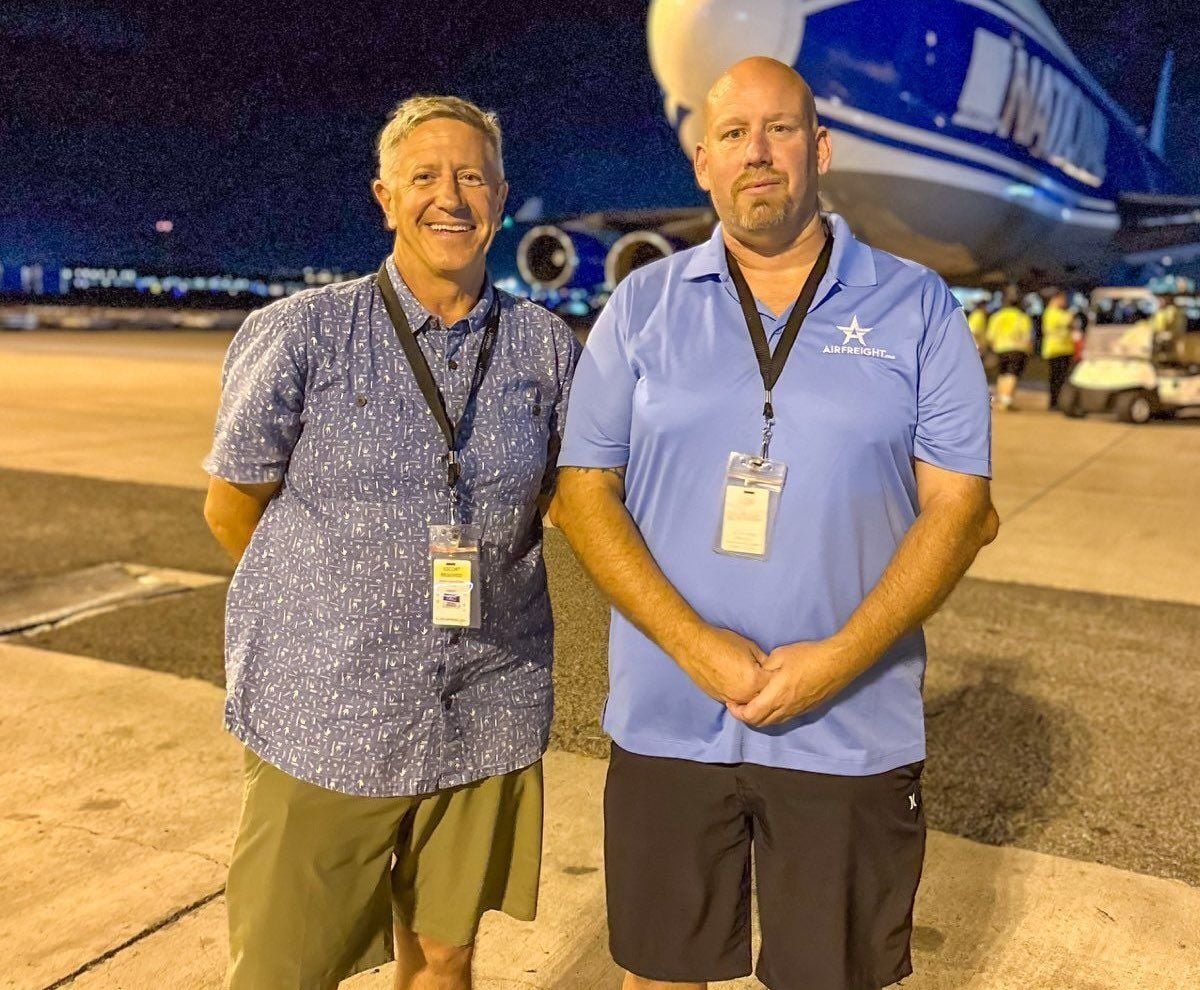
Expeditor Chris at the airport

“True to word. They did exactly what they said they would do.”

Dan · Trustpilot
WhoWe Are

Honest With You, Always

A delivery on a deadline is stressful enough without wondering whether you have the full story. You see the rate before you commit and the delivery time as it actually stands. Every delivery is tracked 24/7, and if the truck is held up, you hear it from us first.

  • Rate confirmed before dispatch
  • Tracked 24/7, 365 days a year
  • Delays reported first, with a plan

Freight Delivery Questions Answered

What is freight delivery?

Freight delivery is the transport of goods that are too large, heavy or numerous for a parcel network, typically on pallets, in crates or as loose heavy items. It moves by truck, rail, air or ocean and travels with a bill of lading that records the shipment. Common types include less-than-truckload, partial truckload, full truckload, expedited dedicated trucks and air freight. Receiving freight usually requires a loading dock, a liftgate or a forklift. Businesses use freight delivery for inventory, raw materials, equipment and anything else shipped in bulk, while parcel services handle individual boxes.

How does freight delivery differ from parcel shipping?

Parcel shipping moves individual packages, usually light enough for one person to lift, through sorting hubs on fixed routes. Each box is labeled and tracked on its own. Freight delivery moves larger shipments, such as pallets, crates and heavy equipment, on trucks or aircraft, with a bill of lading describing the whole load. Parcel carriers set weight and size limits per package, and shipments beyond those limits must move as freight. Freight also needs loading equipment and often a delivery appointment. In everyday speech, shipping refers to the whole journey, while delivery usually means the final handoff to the receiver.

What is LTL freight?

LTL stands for less-than-truckload. It is a shipping method for freight that does not fill a whole trailer, typically from one to several pallets. The shipment shares space with freight from other shippers and moves through a network of terminals, where it is sorted and transferred between trucks before final delivery. LTL is cost-effective for smaller shipments because shippers pay only for the space they use, often based on weight, dimensions and freight class. The trade-off is time and handling, since each terminal stop adds both. For urgent or fragile freight, a dedicated truck that runs direct is usually the better choice.

What is partial truckload?

Partial truckload, sometimes called volume LTL, sits between LTL and full truckload. It is used for shipments that take up a large share of a trailer but not all of it, often several pallets or a few thousand pounds and up. Unlike LTL, partial loads usually stay on the same truck from pickup to delivery and share space with only one or two other shipments, so there is less sorting and handling. Pricing tends to be based on the space used rather than freight class. Partial truckload can be a good middle option for medium-size shipments that do not need a dedicated vehicle.

What is full truckload?

Full truckload, or FTL, means one shipper's freight uses an entire trailer, usually a 53 ft dry van, reefer or flatbed. The truck picks up the freight and drives directly to the destination without stopping at terminals or picking up other shipments. FTL is the most efficient option for large shipments, and it involves less handling than LTL, which reduces the risk of damage. It also suits shipments that weigh a lot even if they do not fill the space. A shipper can book a full truckload even for a smaller load if speed or exclusive use matters more than cost.

What is a bill of lading?

A bill of lading, or BOL, is the main document in a freight shipment. It identifies the shipper, the receiver, the pickup and delivery addresses and the freight itself, including the number of pieces, weight and any special handling instructions. It serves three purposes: a receipt showing the carrier received the goods, a document of title in some cases, and evidence of the contract of carriage. The driver signs it at pickup, and the receiver signs it at delivery, noting any damage or shortage. Accurate details on the BOL help prevent billing disputes, delivery problems and claim delays.

What are the three main types of bill of lading?

The three most common types are the straight bill of lading, the order bill of lading and the blanket bill of lading. A straight BOL names a specific receiver and cannot be transferred to anyone else, which makes it the usual choice for domestic freight that has already been paid for. An order BOL can be transferred by endorsement, so ownership of the goods can change while they are in transit. It is common in international trade and financing. A blanket BOL covers several shipments to the same receiver over a set period, which reduces paperwork for regular deliveries.

What is a PRO number?

A PRO number, short for progressive number, is a tracking number a carrier assigns to a freight shipment. It usually appears on the bill of lading and on labels attached to the freight, often as a barcode. The shipper and receiver use it to check the shipment's status, locate it in the carrier's system and reference it on invoices and claims. PRO numbers are most common with LTL carriers, which handle many shipments through terminals and need a way to identify each one. For dedicated trucks, the broker's load number serves a similar purpose alongside the bill of lading.

What is freight class?

Freight class is a standardized category used mainly in LTL shipping to price freight based on how easy or difficult it is to move. The National Motor Freight Classification system assigns classes from 50 to 500 using four factors: density, how easily the freight can be stowed with other shipments, how easily it can be handled, and liability for damage or theft. Dense, sturdy freight gets a lower class and generally costs less to ship, while light, bulky or fragile freight gets a higher class. Freight class rarely matters for dedicated trucks, where the vehicle and the trip drive the cost.

What is a liftgate?

A liftgate is a powered platform at the back of a truck that raises and lowers freight between the truck bed and the ground. It is needed when a pickup or delivery location has no loading dock, such as a store, office, job site or home. The driver rolls a pallet onto the platform with a pallet jack and lowers it to the ground. Liftgates are common on box trucks and straight trucks but not on most full-size trailers. If either end of a shipment lacks a dock, mention it when booking so a liftgate truck is sent and the delivery is not delayed.

Get a quote

Get your freight delivered on the right truck

Send the pickup, delivery and date. Your expeditor will match the truck to your freight and confirm the plan with you.

5.0 from 1,600+ reviews on

Request a Quote

Step 1 of 3Origin and Destination Info

I could not have gotten a better team to take care of my shipment from pickup to delivery. We were given regular delivery updates and the equipment was delivered 2 hour earlier than expected. Great guys!

Trey · Verified review on Trustpilot
CTA Hero Star Background
TOP