



Skip to content
AirFreight logo with topographic patterns

Just In Time Delivery

A just-in-time plant keeps hours of parts at the line, not weeks. That makes every delivery an appointment the line depends on. ExpeditedFreight.com dispatches dedicated trucks for your scheduled lanes, and expedited ground or air when a load runs late.

CALL US AT (800) 704-7145

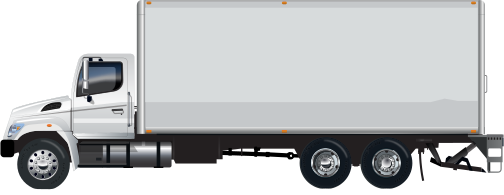
Straight Truck

Trusted By Our Most Valuable Partners

JUST-IN-TIME DELIVERY

Freight That Arrives on the Line's Schedule

A plant that runs just-in-time keeps hours of parts at the line instead of weeks in a warehouse. That saves money and floor space, but it also means each delivery has an appointment the line depends on. When a truck is late, there is no buffer on the shelf to cover it.

ExpeditedFreight.com runs dedicated trucks for scheduled JIT lanes and tracks each one to the dock door. When a supplier ships late or a load is short, we send an expedited truck or put the parts on the next flight so the line keeps running.

JIT freight depends on the details at the dock. Each delivery has an appointment window, and some loads must arrive in the order the line uses them. We plan around those windows and track each truck in real time, so the plant knows early if anything is running behind.

These three services cover scheduled JIT lanes and the recoveries when something slips. The page then explains how just-in-time delivery works and what it asks of every shipment.

SCHEDULED JIT RUNS 53-ft-dry-vans

Dedicated Lanes

A truck assigned to your lane runs on the line's schedule, day after day. Recurring appointments and the same carrier keep deliveries predictable. The same driver often runs the lane every day, which speeds up check-in and unloading.

Dedicated Freight Services about Scheduled jit runs
LINE-DOWN RECOVERY sprinter-vans

Sprinter Vans

When a shipment is short or late, a cargo van can leave as soon as it is booked with the parts the line needs. It carries up to 3,000 lbs. Vans can be on the road quickly, and they run straight to the plant with no other stops.

Sprinter Van Services about Line-down recovery
LONG-DISTANCE RECOVERY plane takeoff

Next Flight Out

If the supplier is far away, we put the parts on the next flight out with trucks at both ends. It can save a shift that a truck would lose. We arrange the trucks at both airports, so the parts move from the supplier to the dock door.

Next Flight Out Services about Long-distance recovery
Workers on a factory floor
The trade-off

The buffer moves onto the road

Without stock on the shelf, the truck carrying the next delivery becomes the safety margin.

JIT delivery The basics

What just-in-time delivery means

From a Kanban card on an assembly line to an EDI call-off from a retailer, just-in-time delivery starts with a signal. That signal says a part is about to run out. Materials ship when that signal says they are needed, so stock arrives close to the moment it is used instead of sitting in a warehouse. The idea grew out of the Toyota Production System in Japan, and manufacturers everywhere have adopted it since.

The opposite approach is just-in-case: keep a buffer of stock on the shelf in case something goes wrong. JIT gives up that buffer, which lowers carrying costs and frees cash that would otherwise sit in inventory. The trade-off is that the buffer moves from the shelf to the truck, so the freight has to arrive when the plan says it will.


Expeditor at his desk tracking a shipment
Watch for

Early can be a problem too

A plant with no storage space may turn away a truck that arrives before its appointment.

JIT freight What it requires

What JIT asks of every shipment

When a plant runs on just-in-time, each delivery gets an appointment at a dock door, and that appointment is set by the line schedule. Some loads have to arrive in the order the parts are used, which is called just-in-sequence. A truck that shows up early can be as unwelcome as one that is late. A plant with no storage space may have nowhere to put the freight and turn the driver away.

That is why JIT freight needs tracking that people actually watch. If a truck hits traffic or breaks down, the plant needs to hear about it while there is still time to react. That often means a phone call at night or on a weekend.

We book each JIT load against your dock appointment and track it the whole way. If anything puts that window at risk, we call you right away.

How a JIT delivery runs

From demand signal to dock door

Every JIT delivery follows the same pull sequence. The line uses parts, a signal goes out, and freight moves to replace exactly what was used, timed to the plant's schedule.

  1. 01

    Send the demand signal

    The line uses up a bin of parts, and a Kanban card, e-Kanban or EDI call-off tells the supplier what to ship and when it is due.

    • Kanban
    • EDI call-off
  2. 02

    Pick and load the order

    The supplier picks the parts, packs them in the agreed quantity and labels them so the receiving team can send them straight to the line.

    • Packing list
  3. 03

    Dispatch to a set pickup

    A carrier is dispatched to collect the load at an agreed time, so the truck leaves early enough to meet the dock appointment at the other end.

  4. 04

    Track the load in transit

    The load is tracked from pickup to the plant. If traffic, weather or a breakdown threatens the window, an alert goes out while there is still time to act.

    • Exception alerts
  5. 05

    Arrive inside the window

    The truck checks in at the dock inside its appointment. Arriving too early can be as much of a problem as arriving late at a plant with no storage.

    • Dock appointment
  6. 06

    Unload and reset the signal

    Parts go to the line, the delivery is confirmed against the order, and the next signal goes out when that stock is used. ExpeditedFreight.com tracks every step and keeps you updated until the parts are at your dock.

    • Proof of delivery
Construction workers on site
Rule of thumb

Each setting, its own truck

A plant may need a Sprinter, a jobsite a liftgate straight truck, a store a full trailer.

JIT in practice Real examples

Where JIT runs: plants, jobsites and stores

An automotive assembly plant is the classic JIT operation. Parts suppliers feed it several times a day, with only a few hours of stock at the line. Contract manufacturers and electronics plants run the same way on a smaller scale, ordering components as orders come in.

Construction jobsites use JIT too. Steel, rebar or precast panels arrive the day before they are installed, because a crowded site has no room to store them. Deliveries are scheduled around permits, inspections and pour dates. Retail works in the other direction, with distribution centers sending replenishment to stores as shelves empty.

Each setting needs something different from the truck. A plant may need a Sprinter van with a few boxes of parts. A jobsite may need a straight truck with a liftgate, and a store a full trailer on a weekly lane. We match the vehicle to the load and the delivery window for each of these settings.

Matching truck to JIT job

Vehicles that keep JIT freight moving

Ranked from the smallest urgent parts run to the largest scheduled load, each truck carrying one shipment direct. ExpeditedFreight.com sizes the truck to your load and dock, and you can re-sort by load or length.

Sort by
  1. Best for small parts runs

    Sprinter Vans

    A cargo van carries a few pallets or boxes of parts direct from supplier to line. It is the quickest vehicle to dispatch for a small JIT shortfall.

    GoodFast to dispatch, fits most docks WatchLimited to small, lighter loads
    ~3,000 lbs
    max load
    Urgent parts
    typical JIT use
    8-12 ft
    cargo length
  2. Best for partial pallets

    Box Trucks

    A box truck handles several pallets that are too much for a van. It suits regular replenishment runs to plants and stores in the same region.

    GoodEnclosed, more room than a van WatchCheck dock height and liftgate needs
    ~5,000 lbs
    max load
    Partial loads
    typical JIT use
    12-16 ft
    cargo length
  3. Best for jobsite deliveries

    Large Straight Trucks

    A straight truck carries heavier palletized freight and often comes with a liftgate. It works well for jobsites and plants without a full loading dock.

    GoodLiftgate options for sites without docks WatchToo small for a full trailer load
    ~9,000 lbs
    max load
    Jobsites, plants
    typical JIT use
    22-26 ft
    cargo length
  4. Best for heavy urgent parts

    Hot Shot Trucking

    A heavy pickup with a gooseneck or flatbed trailer carries machinery parts and open-deck freight. It suits urgent industrial loads that need loading from the side or top.

    GoodOpen deck for awkward heavy items WatchNo enclosure for weather-sensitive freight
    ~16,000 lbs
    max load
    Heavy parts
    typical JIT use
    Up to ~40 ft
    cargo length
  5. Best for scheduled full lanes

    53 Ft. Dry Vans

    A full trailer carries a complete load on a fixed schedule. It is the workhorse for recurring JIT lanes between a supplier and a plant.

    GoodMost capacity for enclosed freight WatchNeeds a dock and planned appointments
    ~42,000 lbs
    max load
    Recurring lanes
    typical JIT use
    53 ft
    cargo length
  6. Best for steel and equipment

    Flatbed Trucking

    A full flatbed carries steel, structural members and large equipment. Jobsites often schedule flatbed deliveries the day before installation.

    GoodCarries the heaviest, largest pieces WatchSecurement and tarps add loading time
    ~48,000 lbs
    max load
    Steel, equipment
    typical JIT use
    48-53 ft
    cargo length
5.0 from 1,600+ reviews on

Running JIT on a tight schedule? Get your lane quoted.

Send us a recurring lane or an urgent load. Your expeditor matches the right truck to the dock window, confirms pickup and keeps you updated until the parts are unloaded.

  • We needed delivery in a pinch - quick and safely. Delivery was on-time and customer service was fantastic. They were very helpful when I called, great follow-up and delivery driver was even a little early.

    Jay
  • Todd was very professional and a huge help with getting the delivery made! The driver made the delivery in excellent time and I was very pleased with the all around service.

    Stacy

Request a Quote

Step 1 of 3Origin and Destination Info

Worker cutting metal
First question

How many hours are left?

The parts left at the line decide whether the recovery goes by truck or by air.

Late-load recovery When plans break

When a JIT shipment runs late

While a scheduled lane keeps costs low on a normal day, an expedited recovery load is usually the better tool when a delivery slips. The first call is to the plant, to find out how many hours of parts are left at the line. That number decides everything else.

If the gap is small, a dedicated truck can run the parts direct. On long runs, a team of two drivers keeps the truck moving. A hot shot can take heavy pieces on an open deck. If the distance is too far for the time left, the parts go on the next flight with a courier carrying them by hand.

Once the switch is made, the plant gets updates on a set schedule until the freight is at the dock. ExpeditedFreight.com arranges that recovery by road or air, so a late load does not have to stop your line.

Three ways to protect a line

Planned JIT, expedited recovery or buffer stock

A scheduled JIT lane keeps costs low, and buffer stock protects against delays. An expedited recovery load protects a JIT plan without bringing back the warehouse. Read each row across.

Scheduled JIT Lane Planned, recurring deliveries Expedited Freight Recovery when one slips Buffer Stock Just-in-case inventory
Keeps carrying costs low Yes: Stock arrives close to use Yes: Only used when needed No: Inventory sits on shelves
Protects against one delay No: One late truck stops the line Yes: Replaces the late load directly Yes: Shelf stock covers the gap
Needs a set delivery window Yes: Booked to dock appointments Sometimes: Runs to the line's deadline No: Deliveries can be flexible
Low cost per delivery Yes: Planned freight, regular rates No: Speed costs more per load Yes: Bulk orders ship less often
Handles a sudden line-down No: Built for the normal schedule Yes: Dedicated truck or flight now Sometimes: Only if the part is stocked
Ties up cash in inventory No: Minimal stock on hand No: No extra stock needed Yes: Cash sits in the warehouse

Scheduled JIT Lane

Planned, recurring deliveries
Keeps carrying costs low
Yes: Stock arrives close to use
Protects against one delay
No: One late truck stops the line
Needs a set delivery window
Yes: Booked to dock appointments
Low cost per delivery
Yes: Planned freight, regular rates
Handles a sudden line-down
No: Built for the normal schedule
Ties up cash in inventory
No: Minimal stock on hand

Expedited Freight

Recovery when one slips
Keeps carrying costs low
Yes: Only used when needed
Protects against one delay
Yes: Replaces the late load directly
Needs a set delivery window
Sometimes: Runs to the line's deadline
Low cost per delivery
No: Speed costs more per load
Handles a sudden line-down
Yes: Dedicated truck or flight now
Ties up cash in inventory
No: No extra stock needed

Buffer Stock

Just-in-case inventory
Keeps carrying costs low
No: Inventory sits on shelves
Protects against one delay
Yes: Shelf stock covers the gap
Needs a set delivery window
No: Deliveries can be flexible
Low cost per delivery
Yes: Bulk orders ship less often
Handles a sudden line-down
Sometimes: Only if the part is stocked
Ties up cash in inventory
Yes: Cash sits in the warehouse

ExpeditedFreight.com arranges both the scheduled lanes and the recovery loads, so one team knows your dock windows.

5.0 rated on Trustpilot

Protect Your Line With an Expedited Recovery

When a JIT shipment is at risk, send the details now. We will quote a direct truck or the next flight out.

Why JIT shippers call

A Dedicated Truck, on Time

“Same day delivery: Dedicated truck/driver arrived on time to pick up packages.” — Bob

Delivered as Promised

“The trucker arrived on time and the delivery arrived across the United States as promised and on time.” — Richard

Confirmed at Every Step

“Confirmation of pickup Confirmation of delivery On time delivery Satisfied customers!” — Michael

Watch on YouTube
When a JIT load goes sideways
Episode 9 Aug 31, 2026 22 min

When a Shipment Goes Sideways: Todd Anderson on Trust in Expedited Freight

Todd Anderson has been an expediting agent at AirFreight.com since 2019, after nearly Todd Anderson has been an expediting agent at AirFreight.com since 2019, after nearly ten years at one of the largest expeditors in the country. He and host Kevin Carpenter break down what separates expedited freight from standard LTL, how the mode decision actually gets made on a live shipment, and how AirFreight.com vets carriers before they ever see a load. Covered in this episode: air charter, hand carry, next flight out (NFO), expedited ground and dedicated truck service, hotshot terminology by region, carrier vetting and compliance screening, automated tracking, and what happens when a shipment goes wrong.

Freight News
Automotive · Supply disruption

A missing part idles pickup production at two US plants

A supplier issue halted full-size pickup production for days, a live example of how one late part can stop a lean assembly line.

Factory worker welding
At a glance · September 2026
September 24 to 29
Dearborn F-150 crews off the schedule
11 percent
F-Series US sales decline through August

What is happening

According to Auto123, Ford suspended F-150 production at its Dearborn Truck Plant in Michigan because of a supplier issue, and cancelled several shifts in Kansas City.

Source: Auto123, September 28, 2026

Why it is happening

The automaker did not say which part was missing or name the supplier. A memo viewed by Reuters took all Dearborn F-150 crews off the schedule for days.

What it means for you

A lean plant has little stock to fall back on. Shippers running JIT should know which dedicated truck or flight they would use before a part runs short.

Factory worker with a box
The stricter test

On time is not enough

OTIF also counts quantity and condition, which is what the line actually needs.

OTIF and OTD Measuring it

Measuring JIT delivery: OTIF and OTD

JIT plants usually score their suppliers and carriers on two numbers. On-time delivery, or OTD, counts the share of deliveries that arrived inside their window. On time in full, or OTIF, is stricter: the delivery also has to have the right quantity, every item and no damage.

Take 200 deliveries in a quarter. If 190 arrived on time, OTD is 95%. If only 182 of those were also complete and undamaged, OTIF is 91%. The gap shows the loads that made the window but still left the line short.

Plants track both by lane and by carrier, because a weak lane shows up in the numbers long before it causes a stoppage. ExpeditedFreight.com confirms pickup and delivery on every load. If there is any shortage or damage, we tell you right away, so your records match what reached the dock.

JIT risk by the numbers

What a stopped line costs

$2.3 million

cost of one hour of downtime at a large automotive plant1

What it means for you

When an assembly line waits on one late part, the cost of every hour quickly outgrows the cost of moving that part faster. That is why a JIT plan needs a recovery load ready, a dedicated truck or a flight we can arrange as soon as a delivery slips.

$1.4 trillion

lost each year to unplanned downtime by the world's 500 largest companies2

Unplanned downtime is one of the largest avoidable costs for big manufacturers, and late parts are a common cause.

34%

of companies now rely on larger inventory buffers, down from 59%3

Fewer companies are leaning on larger inventory buffers, so more of them depend on deliveries arriving when planned.

11 hours

maximum driving time per shift for a solo truck driver4

Federal limits on a solo driver's day decide how far one truck can travel, which matters when planning a long recovery run.

Factory worker
In short

Run on schedule, recover fast

Dedicated trucks on recurring lanes, with expedited ground or air when a load runs late.

JIT trade-offs Downsides

The real disadvantages of JIT, and the fix

At ExpeditedFreight.com, we handle both halves of a JIT supply chain, because its weak points are almost all freight problems. One late supplier or truck can stop a line. A sudden jump in demand can catch a lean plant short, since there is no stock to absorb it. More frequent deliveries mean more loads to book, track and receive. Smaller operations may not have the steady volume a full JIT program needs.

None of that means JIT is the wrong choice. It means the plan needs freight that runs to schedule on a normal day and a backup that is ready when it does not.

We dispatch dedicated trucks on your recurring JIT lanes, and when a load runs late we arrange the recovery by expedited ground or air. One expeditor handles both, from the first pickup to the parts arriving at your dock.

Expeditor Steve

“I had a single point of contact assigned to our shipment that was fantastic on keeping me updated every step of the way.”

Pamela · Trustpilot
HowWe Work

One Person, Start to Finish

When you call ExpeditedFreight.com, a real person answers and stays with your load. That expeditor learns your lanes, your dock hours and the appointment window each plant sets, books the truck and watches it until it is unloaded. If an appointment moves or an extra pallet shows up, you make one call to someone who already knows the shipment.

  • One expeditor from booking to unload
  • Knows your docks and appointment windows
  • The same person on your next load
Expeditor Chris at the airport

“I called up at 7:30 pm... one that was secured cancelled at the end of the day. Todd quoted three shipments on the spot... The last shipment was picked up at Midnight.”

Susan · Trustpilot
WhatWe Provide

The Right Mode, Every Time

Just in time freight needs the vehicle that fits the load and the line, not a slot on a shared route. We book everything from a Sprinter van for a few boxes of parts to a 53 ft trailer for a full lane, running direct to your dock. When the road can't make the window, we move the parts to the next flight or a hand carry.

  • Sprinter van to 53 ft trailer
  • Direct to your dock, no terminals
  • Next flight out when the road is too slow
The expediting team at the airport

“True to word. They did exactly what they said they would do.”

Dan · Trustpilot
WhoWe Are

Honest With You, Always

A line-down risk is stressful enough without wondering whether you have the full story. You see the rate before you commit and the arrival time as it actually stands. Loads are tracked around the clock, so if a window is at risk, you hear it from us before the line feels it, with the backup plan.

  • Rate confirmed before the truck rolls
  • Tracked 24/7, 365 days a year
  • Early warning when a window is at risk

Just-In-Time Delivery Questions Answered

What is just-in-time delivery?

Just-in-time delivery is a way of supplying a plant, jobsite or store so materials arrive close to when they are used, instead of being stored in advance. A signal from the point of use, such as an empty bin or an electronic order, triggers the next shipment. The approach comes from the Toyota Production System and is now common in automotive, electronics, construction and retail. The main benefit is lower inventory: less warehouse space, less cash tied up in stock and less risk of parts going obsolete on the shelf. The main demand is on transportation, because with little stock on hand each delivery has to arrive inside its planned window.

How does just-in-time differ from just-in-case inventory?

Just-in-case inventory keeps extra stock on hand in case a supplier or carrier is late or demand jumps. It protects production but ties up cash, warehouse space and labor, and some stock may sit long enough to become obsolete or damaged. Just-in-time does the opposite: it holds only what the line needs for a short period and relies on frequent, reliable deliveries. Many companies use a mix, keeping a buffer of critical or hard-to-source parts while running common items on JIT. The choice comes down to how reliable supply and freight are, how costly a stoppage would be and how much stock the business can afford to carry.

What is a Kanban signal?

A Kanban signal is the trigger that tells a supplier to send more parts. In its original form it was a card attached to a bin. When the line emptied the bin, the card went back to the supplier as an order for exactly that quantity. Today many plants use e-Kanban, where scanning a bin or reaching a set stock level sends an electronic order automatically, often through EDI. The signal links consumption to replenishment, so the plant orders what it used rather than what a forecast predicted. For freight, each signal becomes a shipment with a due time, which is why JIT suppliers and carriers work to appointment windows.

What is just-in-sequence delivery?

Just-in-sequence goes one step further than just-in-time. The parts arrive not only when they are needed but also in the exact order the line will use them. An automotive plant building vehicles with different seats, trims or colors might receive seat sets loaded in the same order as the vehicles coming down the line. This removes sorting at the plant, but it puts more pressure on the supplier and the carrier, because a load in the wrong order is almost as disruptive as a late one. Sequenced freight is usually loaded carefully, sealed and delivered straight to a dedicated dock close to the point of use.

What is the difference between OTIF and OTD?

OTD, or on-time delivery, measures the share of deliveries that arrived inside their agreed window. OTIF, or on time in full, also checks that each delivery had the right quantity, every item and no damage. Because OTIF has more conditions, it is always equal to or lower than OTD. For example, if 190 of 200 deliveries arrive on time, OTD is 95%, but if only 182 were also complete, OTIF is 91%. JIT plants watch OTIF closely, because a delivery that arrives on time with missing or damaged parts still leaves the line short. Both are usually tracked by supplier, by lane and by carrier.

What is the difference between JIT transportation and expedited shipping?

JIT transportation is planned. It covers the regular, scheduled deliveries that feed a plant or store, booked to dock appointments and usually running on fixed lanes at normal freight rates. Expedited shipping is the response when something falls outside the plan: a late supplier, a missed truck, a quality problem or a sudden spike in demand. It uses a dedicated vehicle or a flight to move the freight faster than the standard schedule allows, and it costs more per load. The two work together. A well-run JIT supply chain relies on scheduled transportation day to day and has expedited freight ready for the days when a delivery slips.

What is an example of just-in-time delivery?

A typical example is an automotive assembly plant that keeps only a few hours of a part, such as wiring harnesses or seats, beside the line. As the line uses them, signals go to the supplier, which ships replacements on trucks booked to arrive at set dock times throughout the day. Another example is a construction project where steel beams arrive the day before the crane crew lifts them, because the site has no room to store them. In retail, stores send sales data to a distribution center, which ships replacement stock to each store as items sell. In each case, deliveries replace what was used instead of building up a stockpile.

What are the disadvantages of JIT?

The biggest disadvantage is exposure to delay. With little stock on hand, one late supplier, a truck breakdown, bad weather or a border hold can stop production. JIT also handles sudden demand spikes poorly, because there is no buffer to sell from while suppliers catch up. It needs more frequent deliveries, which means more freight to book, receive and track, and it depends on accurate forecasts and reliable partners. Smaller businesses may lack the order volume to get suppliers and carriers to commit to frequent small deliveries. Companies manage these risks by keeping a buffer of critical parts, using more than one supplier and having expedited freight ready as a backup.

What is the 80/20 rule in inventory?

The 80/20 rule, also called the Pareto principle, holds that a small share of items usually accounts for most of the value or usage. In inventory, roughly a fifth of the parts often make up most of the spending or most of the movement. Companies use this to sort stock into groups, often called ABC analysis, with the high-value or high-use A items managed most tightly. For JIT, it helps decide which parts to run lean and which to buffer. High-volume parts with reliable supply are good JIT candidates, while low-volume but critical parts that are hard to source may justify keeping some safety stock on hand.

How is JIT used on construction jobsites?

On a construction site, JIT means scheduling materials to arrive shortly before they are installed rather than stockpiling them weeks in advance. Steel, rebar, precast panels, windows and mechanical equipment are often delivered the day before or the morning of installation. This keeps crowded sites clear, reduces theft and weather damage and frees cash that would otherwise sit in materials. Deliveries are tied to the project schedule, permits, inspections and pour dates, so a change in one shifts the others. Site access also matters: many jobsites have no loading dock, which is why straight trucks with liftgates and flatbeds that unload by crane or forklift are common.

Get a JIT quote

Keep your line supplied on every scheduled delivery

Send the pickup, delivery and date for a recurring lane or a recovery load. Your expeditor will match the truck and confirm the plan.

5.0 from 1,600+ reviews on

Request a Quote

Step 1 of 3Origin and Destination Info

Steve Janssen did a wonderful job getting me an emergency delivery. Only took about 10 hours from the first time I spoke to him until I received my goods. Would recommend Air Freight to anyone in a heart beat.

Richard · Verified review on Trustpilot
CTA Hero Star Background
TOP