
Skip to content
AirFreight logo with topographic patterns

Logistics Freight

Every shipment rests on a plan: the mode, the size, the partner and the timing. That plan is freight logistics. ExpeditedFreight.com handles the time-critical side of it, with dedicated trucks and air freight across the US, Canada and Mexico.

CALL US AT (800) 704-7145

Dry Van

Trusted By Our Most Valuable Partners

FREIGHT LOGISTICS

Where Time-Critical Freight Fits in the Logistics Plan

Freight logistics is mostly about planned freight: regular lanes, warehouse stock and shipments booked days ahead at the best rate. The plan works until a supplier ships late, an order changes or a part fails. Then one shipment needs to move far faster than the plan allows.

ExpeditedFreight.com handles that time-critical side of logistics. We arrange dedicated trucks and air freight across the US, Canada and Mexico, and one expeditor follows each shipment until it is delivered.

Expedited freight works best when it fits the larger plan. We work with your schedule, your receivers and the paperwork your team already uses, so the urgent move does not create new problems downstream. Once the freight is delivered, you get confirmation and the details for your records.

The services below are the ones logistics teams call us for most. The rest of the page explains what freight logistics means and how the main modes compare.

URGENT SMALL FREIGHT sprinter-vans

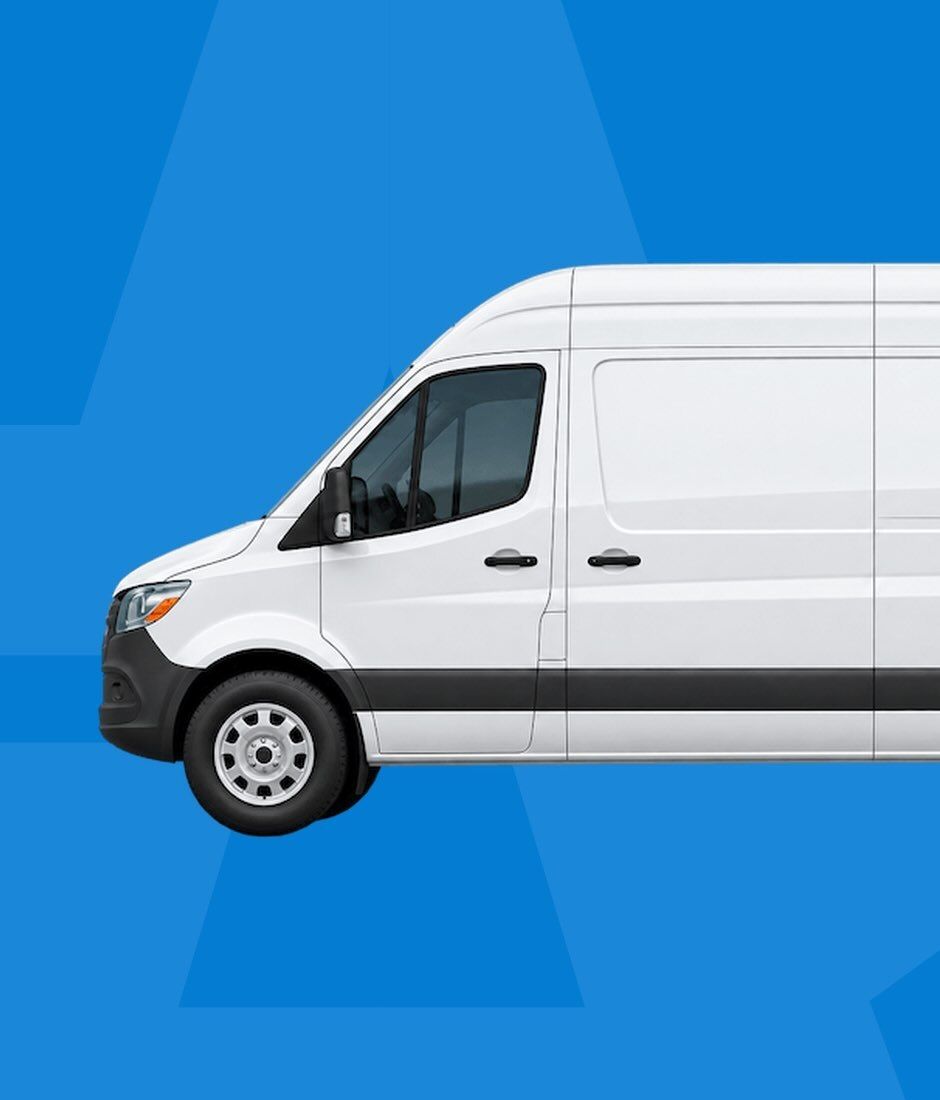
Sprinter Vans

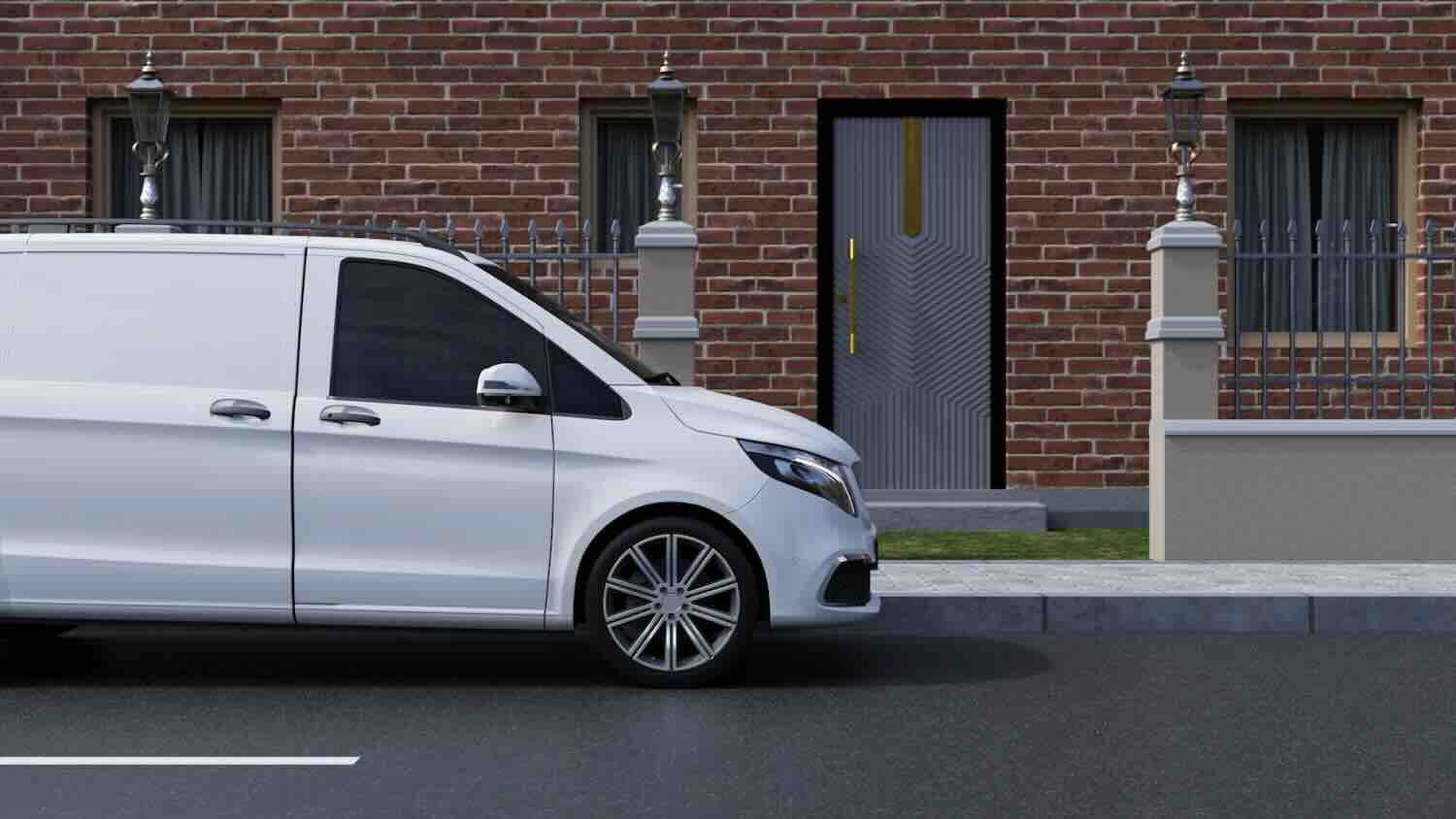
A cargo van carries up to 3,000 lbs on a direct run. It is the quickest way to cover a short-notice gap in the plan. It can be dispatched within hours and runs straight to the delivery.

Sprinter Van Services about Urgent small freight
FULL LOADS ON DEMAND 53-ft-dry-vans

53 ft Dry Vans

A 53 ft dry van carries up to about 42,000 lbs. We dispatch it when a planned truckload falls through or a lane needs extra capacity. With two drivers it can cover long distances without stopping for rest breaks.

Dry Van Services about Full loads on demand
AIR FOR THE LONG HAUL Icon of a plane flying over boxes

Expedited Air Freight

We book freight on commercial and cargo flights with trucks at each end. It recovers time that ground transport cannot. We plan the pickup around the airline cutoff, so the freight makes the flight.

Air Freight Services about Air for the long haul
Globe with logistics network
In one line

Logistics is the plan

Shipping moves the freight, while logistics decides how, when and with whom it moves.

Freight logistics What it means

What freight logistics means

Freight logistics is the planning, movement, storage and tracking of commercial goods from where they start to where they need to be. It covers choosing a mode, booking capacity, preparing paperwork, warehousing and following the shipment to delivery. Shipping is the movement itself, while logistics is the plan around it.

For most businesses, freight logistics is part of a wider supply chain that links suppliers, plants, warehouses and customers. Getting it right means goods arrive when needed at a sensible cost.

Aerial view of a truck driving on the road
Quick guide

Speed, cost and reach

Truck for door to door, rail for bulk, air for distance, ocean for volume.

Modes Choosing a mode

Modes and when each fits

While rail is cheaper than trucking for heavy freight over long distances, trucking is often faster and more flexible for loads that need door-to-door service. Each mode trades speed against cost and reach.

Trucks carry most freight in the US because they reach almost any address. Rail suits bulk and heavy goods on long routes, with trucks at each end. Air is the fastest option over distance and suits urgent or high-value freight. Ocean shipping moves the largest volumes internationally, slowly but cheaply. Intermodal combines modes, such as a container moving by rail and then truck.

Freight itself comes in a few broad types: general palletized freight, bulk, oversized or heavy items, and specialized loads such as hazardous materials. The type and the deadline usually narrow the mode quickly.

Freight modes compared

Freight modes ranked by speed

Ranked from fastest to slowest for a long domestic shipment. ExpeditedFreight.com arranges the top four; re-sort by size range or relative cost.

Sort by
  1. Fastest for small critical items

    Same Day Hand Carry

    A courier flies with the item and delivers it in person. It suits small parts and documents that must arrive today.

    GoodQuickest over long distances WatchOnly items a person can carry
    Critical small items
    typical use
    Carry-on size
    size range
    $$$$$
    relative cost
  2. Fastest for crated freight

    Air Freight

    Next flight out moves freight on the first suitable flight, with trucks at each end. It suits urgent freight over long distances.

    GoodCrosses the country fast WatchAircraft size and cutoff limits
    Urgent, long distance
    typical use
    Within aircraft limits
    size range
    $$$$$
    relative cost
  3. Best for urgent freight by road

    Expedited Ground

    A dedicated truck runs direct, with two drivers on long runs. It suits urgent pallets and loads that cannot fly.

    GoodDoor to door, any size WatchSlower than air over long distances
    Urgent freight
    typical use
    Van to 53 ft
    size range
    $$$$$
    relative cost
  4. Best for full scheduled loads

    Full Truckload

    A whole trailer for one shipper on a scheduled pickup. It suits full loads with some flexibility on timing.

    GoodEfficient for full trailers WatchScheduled, usually one driver
    Full loads
    typical use
    Up to 42,000 lbs
    size range
    $$$$$
    relative cost
  5. Best for flexible small loads

    LTL

    A shared truck for a few pallets that moves through terminals. It suits small shipments that can take a few extra days.

    GoodLow cost for a few pallets WatchTerminal stops add time
    A few pallets
    typical use
    Partial trailer
    size range
    $$$$$
    relative cost
  6. Best for heavy long-haul freight

    Rail Intermodal

    Containers move by rail on long routes, with trucks at each end. It suits heavy freight with flexible timing.

    GoodLow cost over long distances WatchSlowest domestic option
    Heavy, long haul
    typical use
    Container loads
    size range
    $$$$$
    relative cost
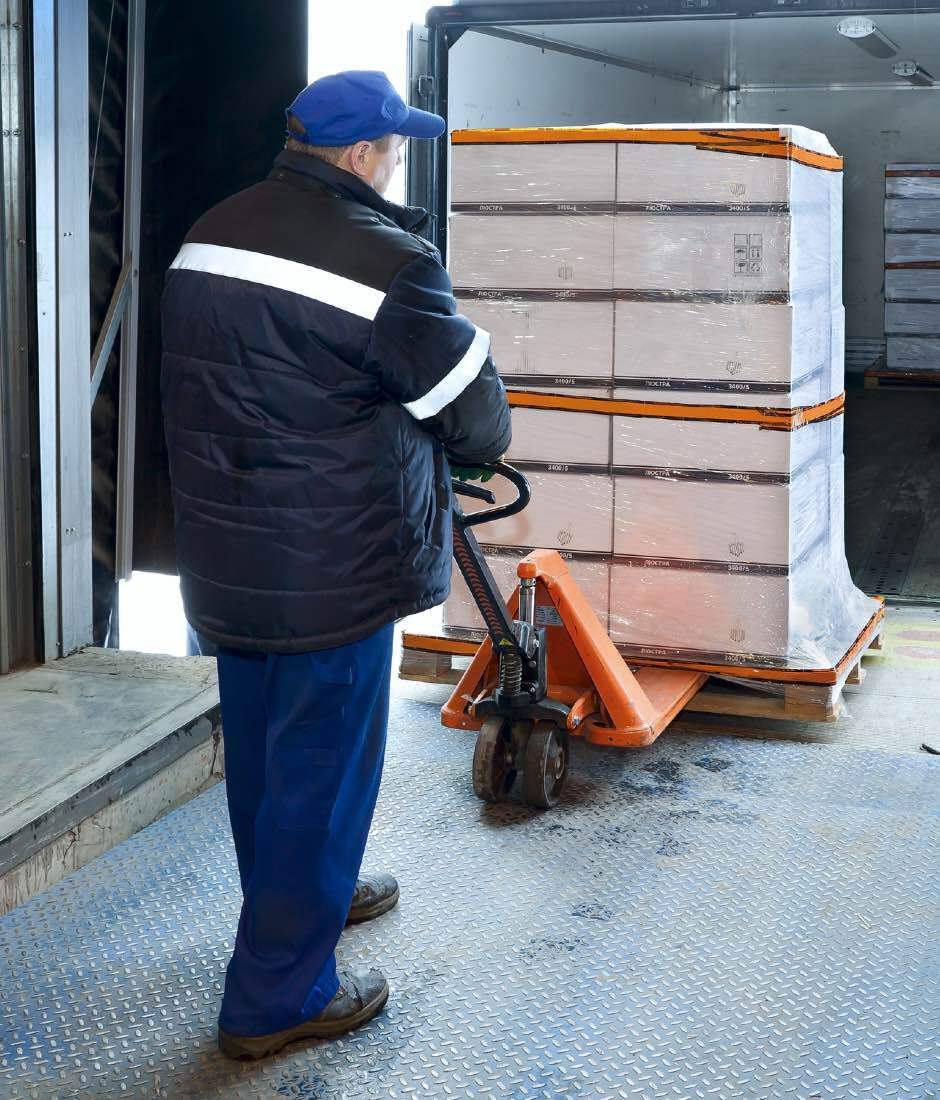
Worker loading a truck
Key idea

Share space or travel alone

Shipment size decides whether freight shares a vehicle, unless the deadline calls for its own.

Shipment sizes Sizes

Shipment sizes: LTL to full truckload

Freight carriers usually price and plan shipments by how much of a vehicle they fill, including LTL, partial truckload and full truckload. This means the size of your shipment decides whether it shares space or travels alone.

LTL, or less-than-truckload, puts a few pallets on a shared truck that stops at terminals. Partial truckload shares a trailer with fewer stops. Full truckload gives one shipper an entire trailer. Ocean freight uses similar terms: FCL is a full container for one shipper, and LCL combines several shippers' goods in one container.

Urgent freight is the exception to these size rules. A dedicated expedited truck carries any size of shipment alone. It can be a cargo van with a few cartons or a full 53 ft trailer, so the deadline decides the vehicle.

5.0 from 1,600+ reviews on

Planning a time-critical shipment? Get a freight quote.

Send your pickup, delivery and deadline. An expeditor matches the right truck or flight, confirms the plan and keeps you updated until your freight is delivered.

  • Freight Services account rep (Steve) is always easy to work with and able to meet our timeline. The driver was courteous, punctual and assisted with the load. There will be more requests in the future.

    Evm
  • We had freight stuck in Des Monies, IA and Todd Anderson did amazing job getting this to Stacy, MI for us in one day. The communication was great giving me every couple of hours update to ETA delivery.

    Tina

Request a Quote

Step 1 of 3Origin and Destination Info

Logistics by the numbers

Freight logistics by the numbers

7.8%

of US GDP spent on business logistics in 20251

What it means for you

Logistics is a major cost for the US economy, so small improvements in how freight moves add up quickly. When a shipment is time-critical, the right plan can avoid much bigger costs, and we can arrange a dedicated truck or flight.

54.8 million tons

of freight worth $68.4 billion moved across the US every day2

The volume of freight moving each day shows how much planning sits behind ordinary supply chains.

30.4%

of US logistics costs are inventory carrying costs3

Holding inventory is a large share of logistics costs, which is why reliable deliveries let companies carry less stock.

$2.3 million

cost of one hour of downtime at a large automotive plant4

When a plant stops for lack of a part, the cost of an hour can dwarf the cost of moving it fast.

How a shipment moves

How a shipment moves

Most freight follows the same basic sequence, whatever the mode. These steps show a typical domestic shipment from quote to signed delivery.

  1. 01

    Request a quote

    Share the pickup and delivery locations, weight, dimensions, pallet count, ready time and deadline with your provider.

    • Shipment details
  2. 02

    Book and confirm

    Choose the service, confirm the rate and receive written confirmation of the pickup, delivery and terms.

    • Rate confirmation
  3. 03

    Prepare the bill of lading

    The bill of lading lists the shipper, receiver, pieces, weight and handling notes, and travels with the freight.

    • Bill of lading
  4. 04

    Pick up and load

    The freight is loaded, counted against the BOL and secured, and the driver signs for what was loaded.

  5. 05

    Track in transit

    The shipment is tracked as it moves, with updates on location and expected arrival, and early notice of any delay.

    • Tracking
  6. 06

    Deliver and sign

    The receiver checks the freight and signs, creating the proof of delivery that closes the shipment.

    • Proof of delivery
Expeditor at his desk tracking a shipment
The trade-off

Cost against speed

Shared services save money, while dedicated vehicles and flights save time.

Cost and time Cost and transit

What drives cost and transit

From distance to weight to how soon it must arrive, a handful of factors set the cost and timing of almost every shipment. We help shippers weigh them for each load.

As with most freight, distance, weight and size, the mode, how soon you need it and any special handling all affect the cost. Transit time follows a similar logic. Terminal stops add days to shared services, and driver rest rules limit how far one truck can go in a day. Airports add handling time at each end.

The trade-off is usually cost against speed. Standard services cost less but take longer, while dedicated trucks and flights cost more but run to your deadline. ExpeditedFreight.com helps you decide where that line sits for each shipment.

Freight trucks

The trucks that move the freight

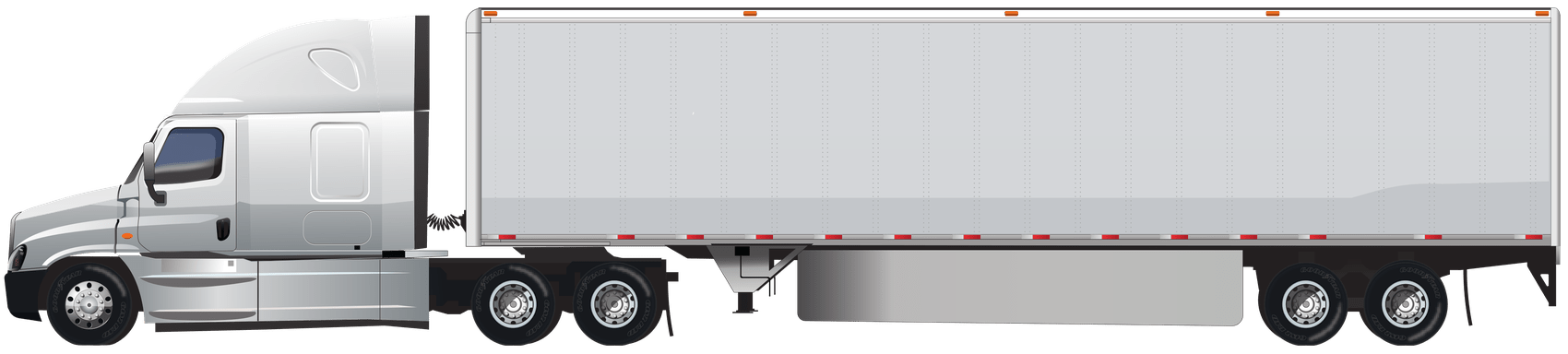
53 ft dry van4 / 6

53 ft dry van side view
53 ft42,000 lbs
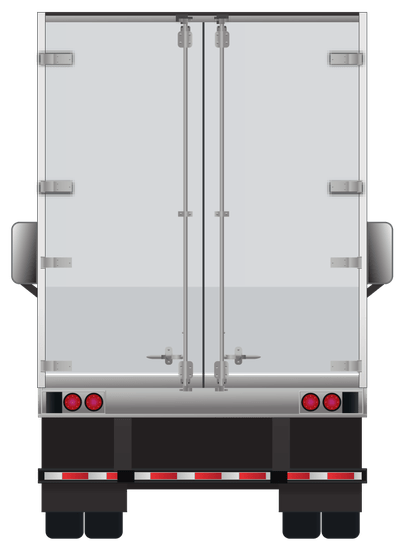
53 ft dry van rear view
99 inWide
102 inHigh
Cargo length53 ft
Payload42,000 lbs
Interior width99 in
Interior height102 in
Best for

Full loads, palletized goods, building materials

About 53 ft dry vans

A 53 ft dry van moves a full truckload in one trip, up to 26 standard pallets on the floor. The trailer carries your freight only and goes straight to the delivery.

Price a dry van

Send the pickup, delivery and weight, and we'll match the truck to your freight.

Talk to dispatch(800) 704-7145 Get a dry van quote
Sprinter cargo van
Why it matters

When the standard plan fails

A dedicated truck, a two-driver team, the next flight out or a hand carry courier.

Expedited logistics When time matters

Where expedited logistics fits

As soon as you request a quote, you're connected with an expeditor who will plan your time-critical shipment from start to finish. That is where expedited logistics fits in the bigger picture.

It comes into play when the standard plan fails or the deadline is too tight for shared services. A dedicated truck runs direct with no terminal stops. On long runs, a team of two drivers keeps it moving. When distance beats the road, the freight goes on the next flight out or travels with a hand carry courier.

ExpeditedFreight.com arranges that time-critical side of freight logistics across the US, Canada and Mexico. Your shipment stays with one expeditor from pickup to delivery.

Get Help With Your Time-Critical Freight

Watch on YouTube
An investor's view of the freight industry
Episode 2 Jun 22, 2026 24 min

Inside Private Equity's Perspective on the Transportation Industry with Daniel Perry

In this episode, Kevin Carpenter hosts Daniel Perry, a private equity expert from Court Square Capital Partners, to explore how investors evaluate transportation companies for scalability and growth. We delve into what makes a transportation business attractive to private equity, the role of sales and marketing, and how AI is transforming sales processes in logistics.

Freight News
Cross-border freight · Volumes

Trucks carry most cross-border freight as volumes climb

New federal data show freight with Canada and Mexico rising sharply, with trucks carrying most of it, a reminder of how much logistics depends on the road.

Globe with shipping connections
At a glance · October 2026
$109.0 billion
cross-border freight moved by truck
29.8%
rise in truck freight value

What is happening

According to Bureau of Transportation Statistics data reported by AJOT, trucks moved $109.0 billion of freight across the US borders with Canada and Mexico in August.

Source: Bureau of Transportation Statistics (via AJOT), October 22, 2026

Why it is happening

Freight with Mexico grew fastest of the two borders, and trucks moved far more cross-border freight than rail, the next largest mode.

What it means for you

Busier borders make planning matter. We arrange expedited cross-border trucks with documents ready before pickup, so freight is not held at the crossing.

Expeditor Steve

“I had a single point of contact assigned to our shipment that was fantastic on keeping me updated every step of the way.”

Pamela · Trustpilot
HowWe Work

One Person, Start to Finish

When you call ExpeditedFreight.com, a real person answers and owns your shipment from the first quote to the signed delivery. That expeditor chooses the mode, books the vehicle or flight and keeps you informed. If the plan changes, you tell the same person, who already knows the shipment.

  • One contact from quote to delivery
  • Mode chosen for your deadline
  • Changes handled in one conversation
Expeditors Steve and Todd

“I called up at 7:30 pm... one that was secured cancelled at the end of the day. Todd quoted three shipments on the spot... The last shipment was picked up at Midnight.”

Susan · Trustpilot
WhatWe Provide

The Right Mode, Every Time

Logistics freight moves best on the mode that fits. Your freight gets its own vehicle, from a cargo van to a 53 ft trailer, running straight to delivery. When distance beats the road, it goes on the next flight out or with a hand carry courier, across the US, Canada and Mexico.

  • Dedicated vehicle, direct run
  • Air when distance demands it
  • US, Canada and Mexico
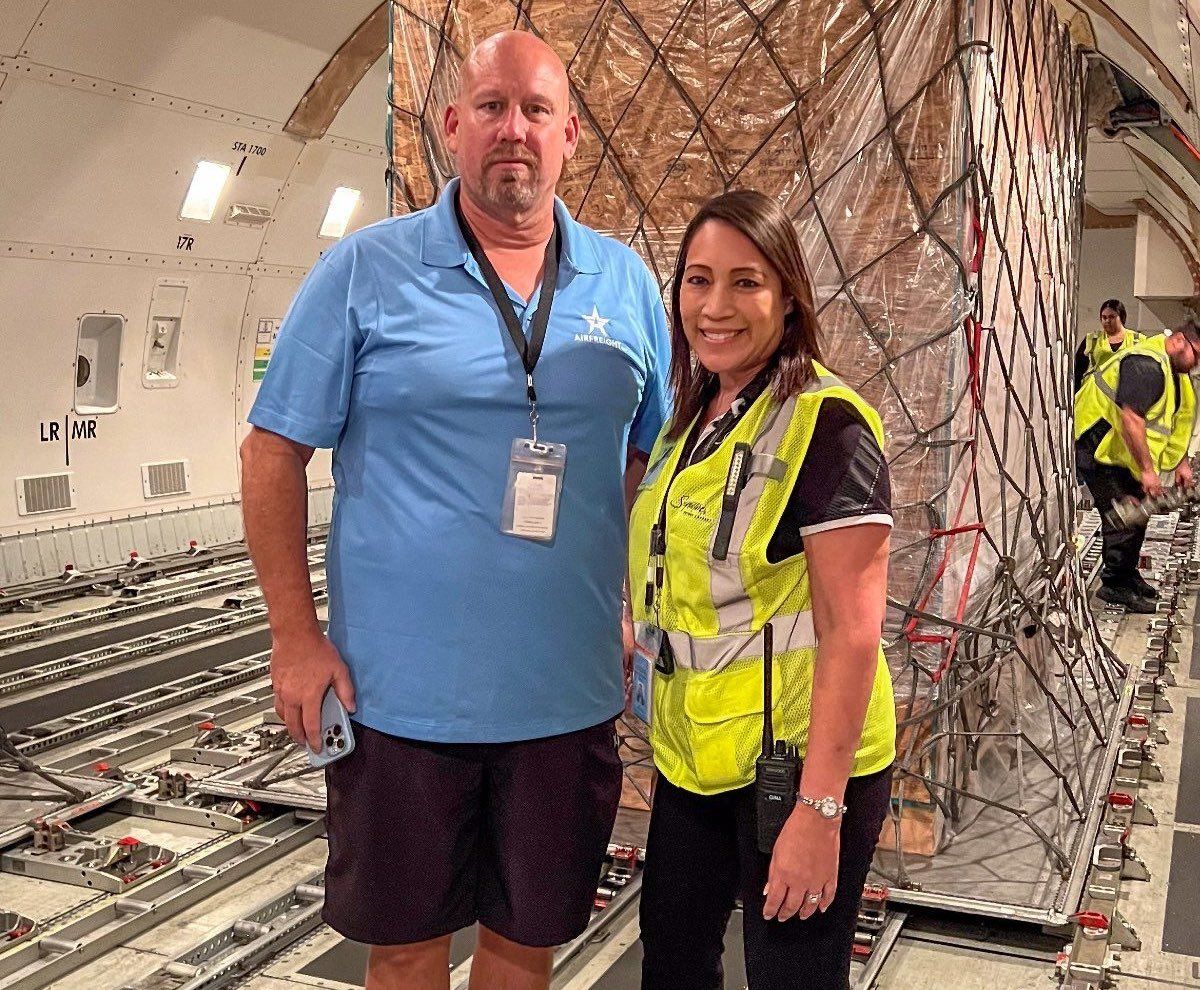
Expeditor Chris in an aircraft cargo hold

“True to word. They did exactly what they said they would do.”

Dan · Trustpilot
WhoWe Are

Honest With You, Always

An urgent shipment is stressful enough without wondering whether you have the full story. You see the rate before you commit and the timeline as it actually stands. Every shipment is tracked 24/7, and if something slows it down, you hear it from us first, with a plan.

  • Rate confirmed before dispatch
  • Tracked 24/7, 365 days a year
  • Any-hour dispatch
5.0 rated on Trustpilot

Quote Your Logistics Freight

Send the freight, the lane and the deadline. We will quote the option that fits, by ground or air.

What shippers say

Trucks Rolling Overnight

“Bryan worked to expedite our automotive freight at midnight to have trucks on the road by 3am.” — James

Delivered Sooner Than Expected

“Freight was delivered sooner than expected.” — Bill

Updates and an Early Arrival

“We received frequent updates and the freight arrived ahead of the estimated arrival time.” — Kent

Freight Logistics Questions Answered

What is freight logistics?

Freight logistics is the process of planning, moving, storing and tracking commercial goods from their origin to their destination. It includes choosing a transportation mode, booking carriers, preparing shipping documents, managing warehousing and inventory, and monitoring shipments until delivery. Freight logistics is one part of supply chain management, which also covers sourcing, production and demand planning. Businesses handle it in-house, through carriers and brokers, or through third-party logistics providers. The goal is to get goods where they need to be, in good condition and on time, at a reasonable cost.

What are the four types of freight?

Freight is commonly grouped by how it is shipped. One common breakdown is less-than-truckload, full truckload, intermodal and expedited freight. Another groups freight by its nature: general freight packed on pallets or in boxes, bulk freight such as grain or liquids, oversized or heavy freight that needs special equipment, and specialized freight such as hazardous materials or temperature-sensitive goods. The right category affects which equipment, carrier and paperwork a shipment needs. Many shippers deal with more than one type, for example palletized general freight most days and an expedited load when something urgent comes up.

What are the five types of cargo?

Cargo is often grouped into five broad types. General cargo covers packaged goods such as boxes, crates and pallets. Bulk cargo is loose material like grain, coal or ore, carried without packaging. Liquid bulk covers oil, chemicals and other liquids carried in tanks. Containerized cargo travels in standard shipping containers. Specialized cargo includes oversized or heavy items, vehicles, livestock, hazardous materials and temperature-controlled goods. Different classification systems use slightly different lists, but the idea is the same: the type of cargo decides the equipment, handling and documentation required to move it safely.

Is a freight broker a logistics company?

Yes, a freight broker is generally considered a type of logistics company. It arranges transportation for shippers by matching loads with licensed carriers, managing the shipment and handling paperwork, which is a core logistics function. Brokers are often grouped with third-party logistics providers, though many 3PLs also offer warehousing and fulfillment that brokers do not. A broker usually does not own trucks; it relies on carriers to haul the freight. Brokers hold federal operating authority and a surety bond, and shippers can confirm both in the Federal Motor Carrier Safety Administration's public records.

What is the difference between logistics and freight forwarding?

Logistics is the broad discipline of planning and managing how goods move and are stored, from suppliers to customers. Freight forwarding is a specific service within logistics, usually for international shipments. A freight forwarder books space with ocean lines, airlines, railroads and trucking companies, prepares export and import documents, and often arranges customs clearance. In other words, every freight forwarder works in logistics, but logistics includes much more, such as warehousing, inventory management, domestic transportation and returns. For domestic freight, a broker or carrier usually handles what a forwarder would do internationally.

What are the four main types of logistics?

Logistics is often divided into four main types. Inbound logistics covers bringing raw materials and components into a business. Outbound logistics covers moving finished products from the business to customers. Reverse logistics handles returns, repairs, recycling and disposal. Third-party logistics refers to outsourcing some of these functions to specialist providers. Other lists name procurement, production and distribution logistics instead. Whatever the labels, each type involves planning transportation, managing inventory and tracking goods, and expedited freight can play a role in any of them when timing becomes critical. A late inbound part, for example, can stop production as surely as a lost order.

What is the difference between FCL and LCL?

FCL and LCL are terms used in ocean freight. FCL, or full container load, means one shipper books an entire shipping container, usually 20 or 40 feet long, and fills it with their own goods. LCL, or less than container load, means several shippers share space in one container, with each paying for the volume they use. FCL is usually more cost-effective for large shipments and involves less handling. LCL suits smaller shipments but takes longer, because goods must be consolidated before departure and separated after arrival. The trucking equivalents are full truckload and less-than-truckload.

What is reverse logistics?

Reverse logistics is the process of moving goods backward through the supply chain, from customers or retailers back to a manufacturer, distributor or recycler. It covers product returns, repairs, refurbishment, warranty replacements, recalls, recycling and disposal of unsold or end-of-life goods. Reverse logistics can be complex, because returned items arrive in varied condition and quantities, and each needs to be inspected and routed to the right place. Done well, it recovers value and keeps customers satisfied. Urgent reverse moves, such as recalling a faulty part from a plant, sometimes call for expedited freight.

What is a 3PL?

A 3PL, or third-party logistics provider, is a company that handles some or all of a shipper's logistics functions. Services can include transportation management, freight brokerage, warehousing, inventory management, order fulfillment, packaging and returns. Businesses use 3PLs to gain expertise, capacity and technology without building it themselves. The term covers a wide range of companies, from asset-based providers with warehouses and trucks to non-asset firms that coordinate other providers. When considering a 3PL, it helps to ask exactly which services it performs itself and which it arranges through partners. That tells you who is responsible if something goes wrong.

What is intermodal freight?

Intermodal freight is cargo that moves using two or more transportation modes without being unloaded from its container or trailer. A common example is a container that travels by truck from a warehouse to a rail yard, by train across the country, and by truck again to the final destination. Intermodal shipping can lower costs and fuel use on long routes, especially for heavy freight, but it is usually slower than direct trucking because of transfers at terminals and rail schedules. It suits freight with flexible timing rather than urgent shipments that need a dedicated vehicle.

Get a quote

Get your time-critical freight moving today

Send the pickup, delivery and date. An expeditor will match the truck or flight and confirm the plan with you.

5.0 from 1,600+ reviews on

Request a Quote

Step 1 of 3Origin and Destination Info

Todd was extremely helpful from the moment we connected on the phone. We had a freight emergency and everything was taken care of within minutes. Todd provided tracking emails up until our freight was delivered. Thanks!

Dan · Verified review on Trustpilot
CTA Hero Star Background
TOP